
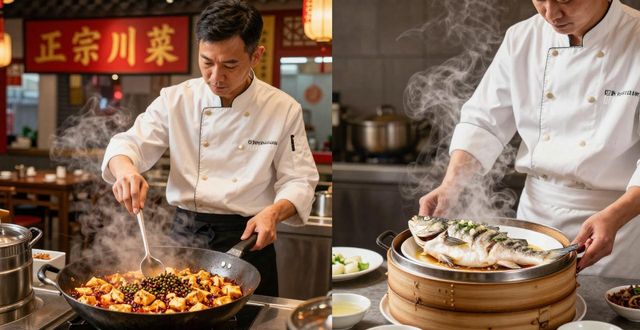
When you crave real Chinese food, the usual takeout spots with General Tso’s chicken might not cut it. Authentic Chinese cuisine is a world of bold spices, fresh ingredients, and regional cooking styles that go far beyond sweet-and-sour sauce. This guide will help you locate genuine restaurants in your area and order like someone who grew up eating at a family-run noodle shop in Chengdu or a dim sum parlor in Guangzhou.
What Makes Chinese Food Truly Authentic

Authentic Chinese food starts with the right ingredients and cooking techniques that vary dramatically across provinces. For example, Sichuan dishes rely on Sichuan peppercorns and fermented bean paste to create that numbing-spicy flavor, while Cantonese cooking emphasizes steaming and light sauces to preserve natural tastes. Many Westernized versions replace these key elements with sugar, ketchup, or cornstarch-thickened gravy. A real Chinese restaurant will have a separate menu in Chinese characters, and you will often see Asian families dining there, ordering dishes you have never seen on the English menu. Look for items like mapo tofu with minced pork, whole fish with ginger and scallion, or hand-pulled noodles served in a rich broth. These dishes tell you the chef cares about tradition, not just pleasing every customer with fried and sweetened options.
How to Spot a Real Chinese Restaurant
The first clue is always the crowd. Walk past the restaurant during dinner time and check if most tables are occupied by Chinese-speaking guests. Then, look at the windows. Authentic places rarely display giant photos of egg rolls or crab rangoon, which are actually American inventions. Instead, they might hang roasted ducks, barbecue pork, or a sign advertising hot pot or hand-pulled noodles. Step inside and ask for the “secret menu” — many real Chinese restaurants keep two menus: one in English with familiar dishes for casual diners, and another in Chinese with authentic specialties. If the waiter hesitates or says “everything is on the menu,” that is a bad sign. A better approach is to point at what other tables are eating. When you see a family sharing a whole steamed fish, a clay pot of braised pork, or a plate of stir-fried pea shoots with garlic, you have found the real deal. Also, check online reviews written in Chinese on platforms like Yelp or Google Maps; if local Chinese people praise the place, you are safe.
Must-Try Dishes for First-Timers
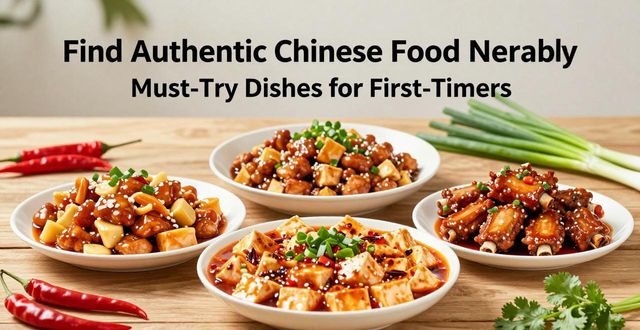
If you are new to authentic Chinese food, start with three approachable but genuine dishes. First, Dan Dan Noodles from Sichuan province: chewy wheat noodles tossed in a spicy, nutty sauce made from sesame paste, chili oil, and preserved vegetables. It is savory, a little sweet, and has that unique tingly heat. Second, Cantonese Steamed Fish — usually a whole bass or snapper steamed with ginger, scallions, and soy sauce. The flesh is incredibly tender, and the light sauce lets the fish’s freshness shine. Third, Shanghai-style Soup Dumplings (Xiaolongbao): thin-skinned dumplings filled with pork and a burst of hot, savory broth. Bite carefully,slurp the soup, then dip in black vinegar with ginger. These dishes are widely available at any decent authentic restaurant, and they will change your idea of what Chinese food can be. Avoid ordering “Buddha’s Delight” or “Moo Goo Gai Pan” if you want authenticity; those were created for Western palates decades ago.
Navigating the Menu Like a Local
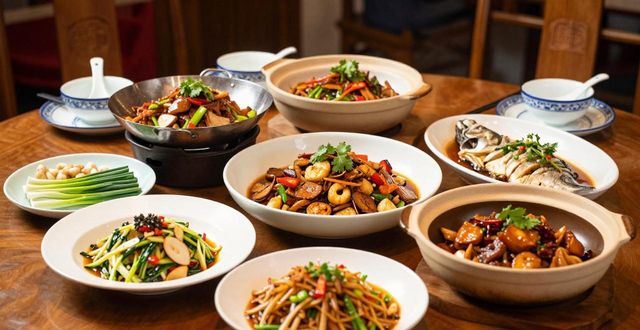
Never rely on the “Chef’s Specials” section written in broken English. Instead, scan the menu for dishes named after their cooking method or region. Words like “dry-pot” (gan guo), “twice-cooked” (hui guo), “red-braised” (hong shao), or “clay pot” (sha guo) signal traditional techniques. If the restaurant offers congee, pickled vegetables, or offal dishes like braised tripe or pig ear salad, that is a strong sign of authenticity. When ordering, ask the server what they recommend for someone who wants “the real taste of their hometown.” Many owners will be happy to guide you. Another pro tip: order one vegetable dish, one protein dish, and one carb (rice or noodles). For vegetables, try “dry-fried green beans” or “water spinach with fermented tofu.” For protein, go for “Kung Pao chicken” made with Sichuan peppercorns and peanuts — not the sticky-sweet American version. And always ask for a side of house-made chili oil or black vinegar to adjust flavors at your table. Authentic Chinese dining is interactive and customizable.
Have you ever had a dish that completely surprised you and made you rethink everything you knew about Chinese food? Share your discovery in the comments below — and if this guide helped you find a real gem nearby, give it a like and pass it along to fellow food lovers.