
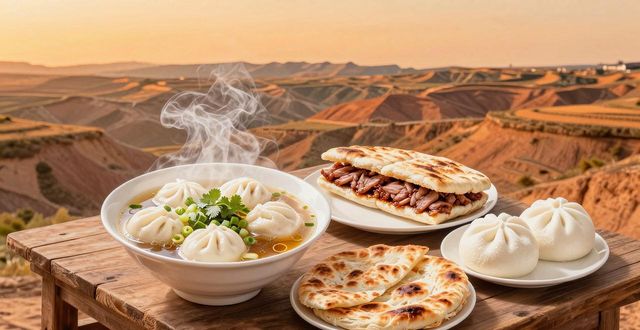
When you think of Xi’an food, you might first imagine the aroma of lamb skewers or the sight of hand-pulled noodles. But for anyone who truly wants to understand this ancient city, eating here is not just about filling your stomach. It is a journey into thousands of years of history, trade, and daily life. Xi’an, once the starting point of the Silk Road, has a food culture that blends Central Asian influences with Chinese traditions. Every dish tells a story of migration, adaptation, and survival.
What makes Xi’an food different from other Chinese cuisines

The first thing you notice about Xi’an food is its bold use of lamb and bread. Unlike southern Chinese cities where rice is everywhere, Xi’an people eat wheat. This is because the region sits on the Loess Plateau, where wheat grows better than rice. So you will find a lot of flatbreads, buns, and noodles. The most famous example is the lamb paomo, or crumbled flatbread in lamb soup. You break the bread into tiny pieces with your fingers, and the waiter takes it back to the kitchen to boil it with broth. This is not just a meal. It is a slow, social ritual. You are supposed to chat with friends while crumbling the bread. People here take their time.
Another key difference is the use of spices like cumin and chili. These came from Central Asia along the Silk Road. The local barbecue stands sell lamb skewers covered in cumin and chili powder, and you eat them standing on the street. The taste is smoky, salty, and spicy. It is very different from the sweet or mild flavors you might find in other parts of China. The Muslim Quarter in Xi’an is the best place to feel this mix. Walking through the narrow alleys, you see vendors frying beef pies and steaming dumplings. The air smells of oil and spices. It is loud, crowded, and alive.
How to truly experience Xi’an food like a local
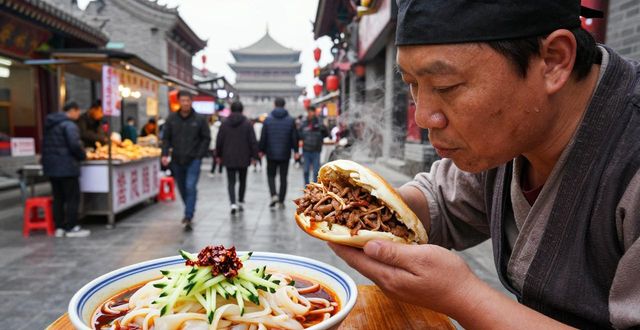
If you want more than just a tourist meal, you need to go where the locals go. Start early in the morning. Join the line at a small shop for a bowl of hot soy milk and a fried dough stick. Or try the local breakfast favorite: roujiamo, which is chopped braised pork stuffed inside a crisp flatbread. Some people call it the Chinese hamburger,but it tastes nothing like a burger. The bread is baked in a clay oven, and the pork is cooked for hours with star anise and ginger. It is juicy and rich.
For lunch, skip the big restaurants and look for a noodle shop with a long queue. Watch the cook pull the noodles by hand. The stretching and slapping of the dough against the counter is part of the show. The noodles are thick, chewy, and served in a simple broth with chili oil and vinegar. You will see office workers eating quickly with their heads down. No small talk. Just the sound of slurping. That is the real Xi’an.
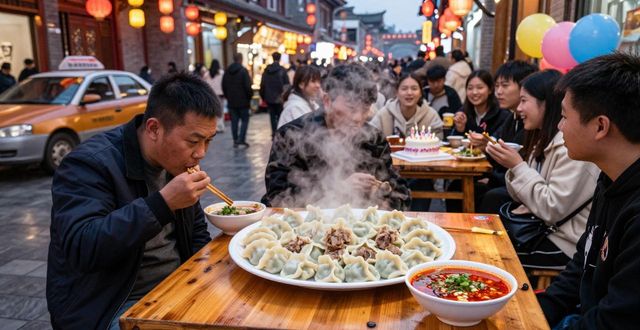
In the evening, head to the Muslim Quarter again, but this time for a full dinner. Order a plate of steamed lamb dumplings and a bowl of sour and spicy soup. Share the table with strangers. You might sit next to a taxi driver who eats here every night, or a group of students celebrating a birthday. The tables are small and close together. You will hear conversations in the local dialect, laughter, and the clatter of bowls. This is not a staged performance. It is everyday life.
Xi’an food is not about fancy presentation or complex techniques. It is about honest ingredients, strong flavors, and shared moments. You do not need to read a menu or understand the language to feel the culture. Just follow your nose, sit down where you see many people, and eat what they eat. That is how you taste the real Xi’an.