
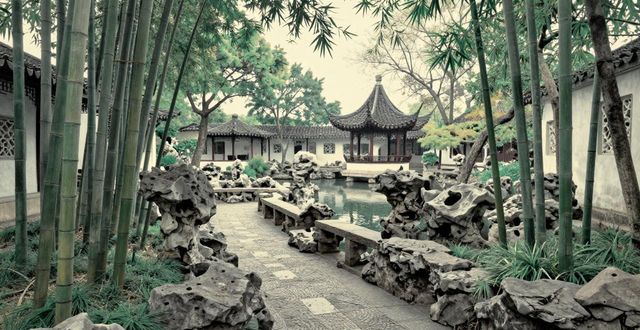
Suzhou Gardens, often called the finest private gardens in the world, represent the pinnacle of classical Chinese landscape design. These gardens are not just about plants and rocks but about creating a perfect harmony between nature, architecture, and human emotion. In this guide, I will walk you through the essential aspects of these masterpieces, helping you understand why they are a UNESCO World Heritage site and how to truly appreciate their subtle beauty.
What Makes Suzhou Gardens Unique

The uniqueness of Suzhou Gardens lies in their ability to recreate natural landscapes within a limited urban space. Unlike Western gardens that emphasize symmetry and open lawns, these gardens use winding paths, hidden views,and carefully placed rocks to suggest a much larger wilderness. Every element, from a single bamboo grove to a tiny moon gate, serves a philosophical purpose. They are designed to be three-dimensional paintings that change with every step and season. This design philosophy, deeply rooted in Taoist and Buddhist ideas, transforms a simple walk into a meditative journey.
How to Appreciate Garden Design
To truly appreciate a Suzhou garden, you must slow down and observe details that are easy to miss. Notice how the white walls become canvases for shadows of bamboo and rocks, changing dramatically from morning to afternoon. Pay attention to the “borrowed scenery” technique, where a distant pagoda or mountain peak is intentionally framed as part of the garden’s own view. Also, examine the lattice windows; each garden has dozens of unique patterns that frame different scenes. By understanding these design tricks, you shift from being a casual tourist to an informed observer who can read the garden’s hidden language.
Best Suzhou Gardens to Visit First
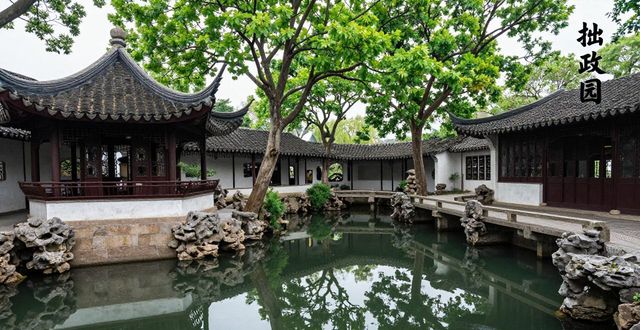
If you have limited time, I recommend focusing on four iconic gardens that represent different dynasties and styles. The Humble Administrator’s Garden is the largest and most famous, showcasing water-centric design from the Ming Dynasty. The Lingering Garden is famous for its intricate corridors and the best collection of stone calligraphy. For a quieter experience, visit the Master of the Nets Garden, a small but perfectly balanced space often considered the most refined. Finally, the Lion Grove Garden is a must for its labyrinth of taihu stones, which children and adults love to explore. Each offers a distinct flavor of Suzhou’s gardening heritage.
Tips for a Memorable Garden Tour
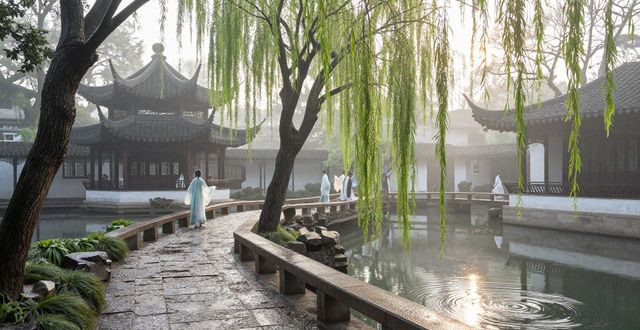
Planning your visit wisely can make a huge difference in your experience. Always go early in the morning, right when gates open, to avoid the large crowds that arrive around 10 AM. Spring and autumn are the best seasons, but a rainy day can be magical too, as the wet stones and empty pathways enhance the poetic atmosphere. Wear comfortable walking shoes because you will be on uneven stone paths for hours. I also suggest renting an audio guide or hiring a local docent; the stories behind each rock arrangement and pavilion name add a layer of meaning you cannot find in guidebooks. Finally, take breaks at the tea houses inside the gardens to simply sit and absorb the tranquility.
After exploring these living masterpieces, I would love to hear from you: which Suzhou garden’s design philosophy touched you the most, and what hidden detail did you discover that changed your understanding of classical Chinese art? Please share your thoughts in the comments below and don’t forget to like and share this guide with fellow travelers.