
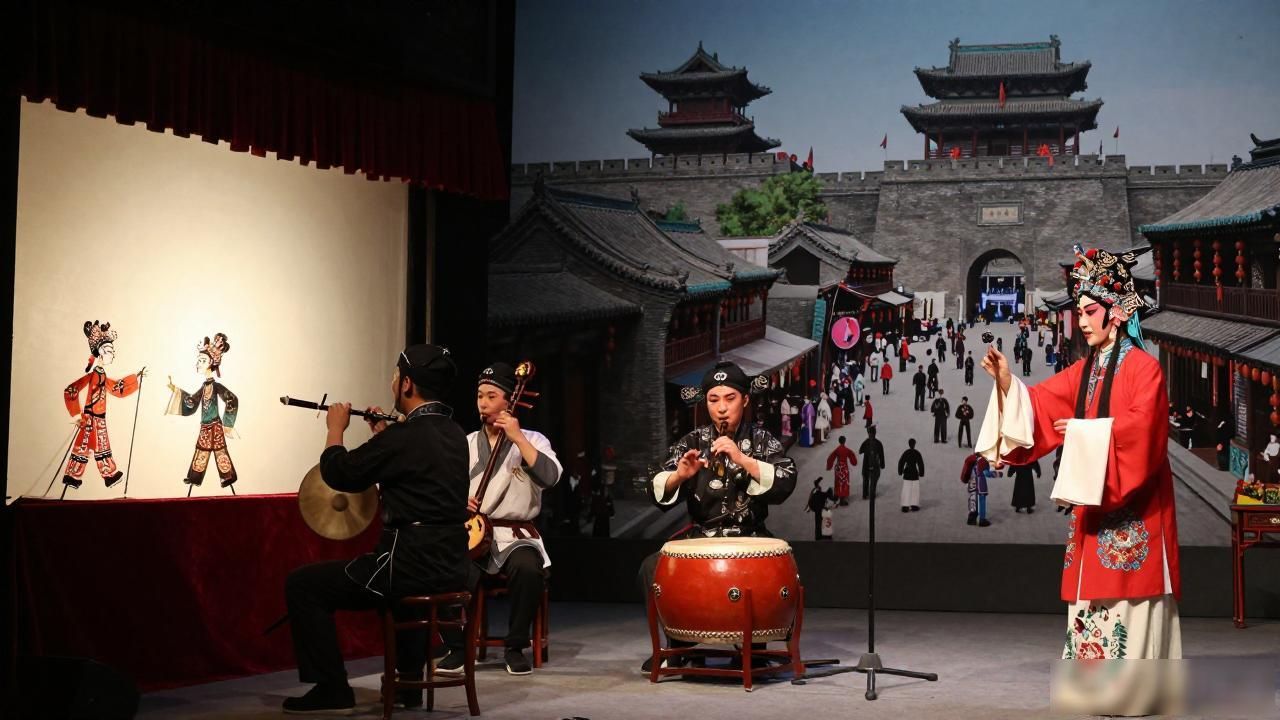
Taiyuan sits quietly at the heart of Shanxi province and carries something most visitors completely overlook. While other Chinese cities shout about their fame, Taiyuan keeps its cultural heritage close to its chest, hidden among old temple courtyards and the memories of merchants who once dominated half of China’s trade routes. You will not find it in guidebook highlights, but you will feel it the moment you step into Jinci Temple and realize you are standing inside a place that has unchanged its soul for over a thousand years.
What Makes Taiyuan Cultural Heritage Unique
Most people associate Shanxi with coal and dust. They have no idea this land has been a crossroads of northern and southern Chinese civilization since the Jin state rose to power during the Spring and Autumn period. Taiyuan served as the capital of the Jin kingdom, and its cultural DNA was forged through centuries of military strategy, commercial ambition, and artistic devotion. The city did not simply survive through dynastic turnovers—it thrived by absorbing influences from nomadic tribes, Buddhist monks, and merchant caravans alike.
Walk through the old city walls today and you will notice the strange harmony between military architecture and spiritual devotion. Fortification towers stand within walking distance of thousand-year-old shrines. This is not coincidence. It reflects a society where protection and faith were equally vital to daily survival. The local people carried this balance into their commerce networks, which stretched as far as Moscow and Istanbul through the legendary Jin merchant guilds.

The intangible heritage here runs deeper than any single monument. Folk music, shadow puppetry, and the distinctive Shanxi operatic traditions all emerged from the intersection of military garrison life and merchant wealth. When wealthy traders returned home from long journeys across Central Asia, they brought back new instruments and performance styles. Local artisans blended these foreign elements into something entirely their own.
Where to Experience Taiyuan Cultural Heritage
Jinci Temple should be your starting point. Located at the foot of Tashan Mountain, this complex houses the oldest surviving Chinese architectural ensemble of any scale. The Suspension Shrine, built over 1,400 years ago, hangs from a cliff face without visible supports, a feat that still baffles architects today. The temple grounds contain ancient cypress trees that were planted during the Zhou dynasty, their roots wrapping around stones older than recorded Chinese history.
Within the temple complex, you will find the Queen of Peace Hall, which shelters fourteen bronze statues of palace maidservants dating from the Song dynasty. These figures are considered masterpieces of Chinese bronze casting. Their postures are relaxed, almost naturalistic—a striking departure from the rigid formalism found in temple sculptures elsewhere. Each figure tells a silent story of court life eight centuries ago.
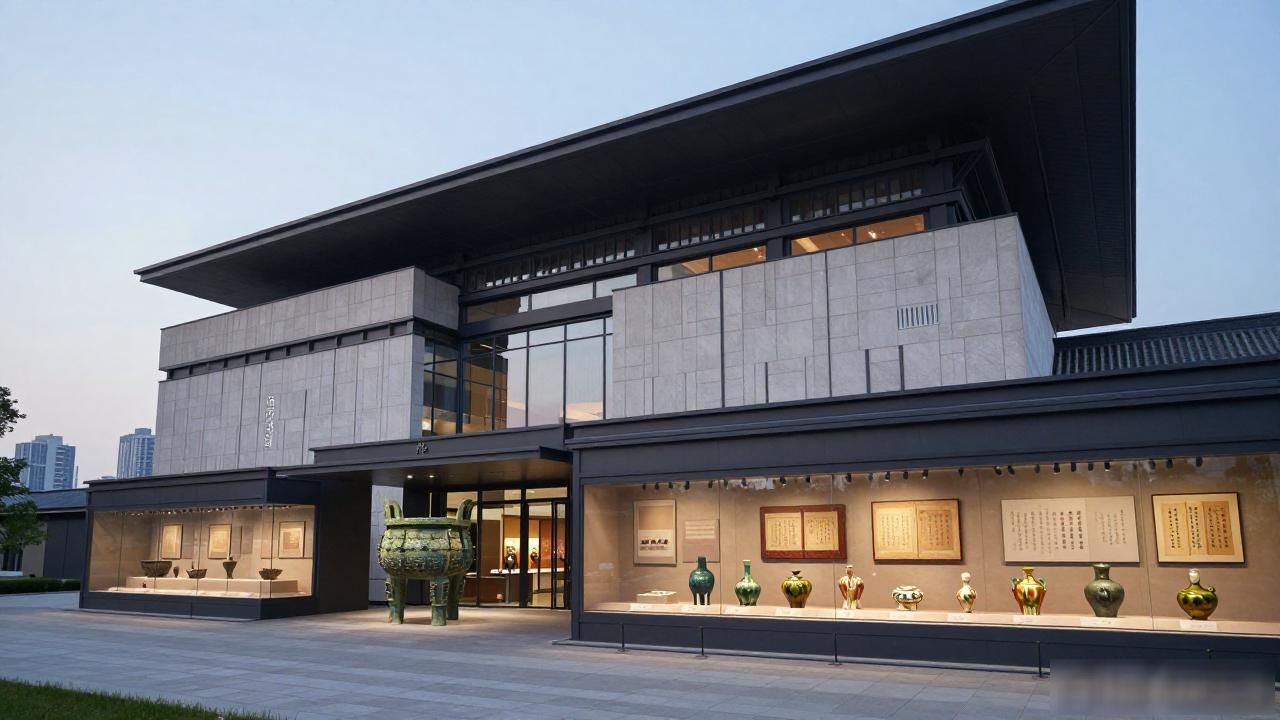
The Shanxi Museum should not be skipped either. Housed in a striking modern building along the city’s eastern edge,it contains collections that span five thousand years. The ancient bronze vessels, Tang dynasty tri-colored pottery, and extensive documentation of Jin merchant family records offer a comprehensive portrait of regional civilization. What makes this museum exceptional is that it refuses to present history as disconnected fragments. Every exhibit connects to the others, forming a coherent narrative of human achievement.
The Ming and Qing Ancient Street offers a different experience altogether. This preserved commercial corridor, running parallel to the city’s southern wall, still carries daily life in buildings that hosted the same type of transactions they handled three centuries ago. Tea houses, traditional medicine shops, and handicraft workshops operate in structures originally built during the 1600s. The street itself was once part of a larger caravan route that connected northern China to the Silk Road network.
How Taiyuan Cultural Heritage Survived Modern Times
Modernization has not erased Taiyuan’s heritage; it has forced a renegotiation of what deserves preservation. The city faced intense pressure during the industrial expansion of the 1980s and 1990s. Many historic neighborhoods disappeared under the weight of rapid urban development. Yet something remarkable happened. Local historians, community activists, and eventually government planners recognized that Taiyuan’s economic future depended on its past rather than despite it.
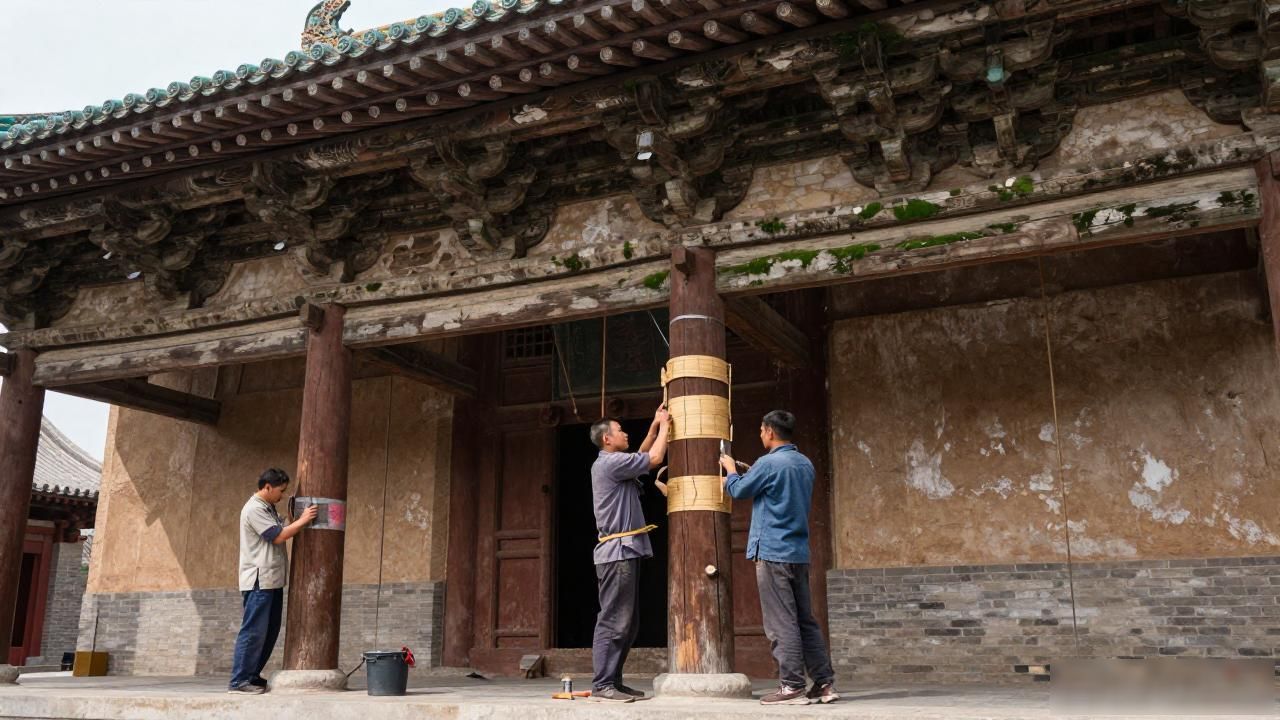
The turning point came when the provincial government launched comprehensive restoration campaigns around the early 2000s. Old temples received structural reinforcement while maintaining original construction techniques. Traditional craftsmanship schools opened to train young artisans in methods that had nearly been lost. Local opera troupes began receiving state support, ensuring that vocal traditions passed down through generations would reach new audiences. These efforts transformed preservation from a reactive struggle into a proactive cultural strategy.
Today Taiyuan’s cultural heritage faces a new challenge—how to remain relevant to younger generations who grow up in a digital age. The answer appears to be emerging organically. Young designers incorporate traditional patterns into contemporary fashion. Musicians blend ancient melodies with modern production. Social media influencers document hidden courtyards and forgotten alleyways, creating new interest in places that locals had taken for granted. The heritage is not being packaged for tourists alone. It is being lived, adapted, and claimed by people who see their future woven into the threads of their past.
Taiyuan cultural heritage is not a relic locked behind glass panels. It breathes in temple halls, travels through merchant streets, and echoes in the voices of performers still carrying forward traditions their ancestors began.