
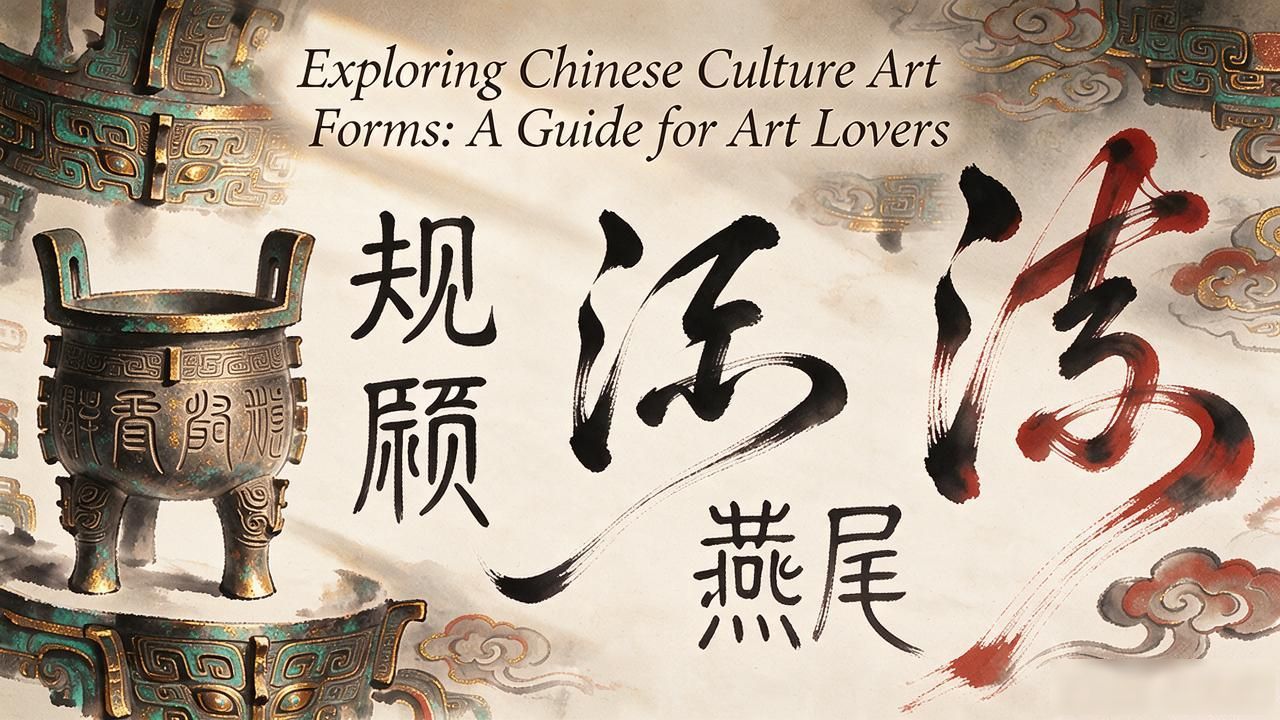
What Makes Chinese Calligraphy So Special
When I first stepped into a calligraphy studio in Hangzhou, I was struck by the silence. Unlike Western art classes filled with chatter, Chinese calligraphy is practiced in near-meditative stillness. The brush, ink, paper, and inkstone—known as the Four Treasures of the Study—are not mere tools. They are extensions of the artist’s spirit.
Chinese calligraphy is not just writing; it is visual music. Each stroke carries intention, emotion, and centuries of tradition. The difference between a good character and a great one lies in the balance between strength and gentleness, tension and release. Masters spend decades perfecting a single stroke.

There are five major styles to explore. Seal script, the oldest, looks like ancient symbols carved into bronze. Regular script is clean and structured, ideal for beginners. Running script flows like water, blending characters together. Cursive script is wild and expressive, almost abstract. Clerk script sits somewhere between seal and regular script, with a unique flattened elegance.
How Traditional Chinese Painting Differs from Western Art
Western oil paintings strive for realism. Chinese landscape paintings, or shanshui, seek something entirely different. They capture the essence, the qi, the breath of nature rather than its surface appearance. When you look at a Song dynasty landscape, you are not meant to see a photograph of mountains. You are meant to feel the mist, hear the waterfall, sense the solitude.
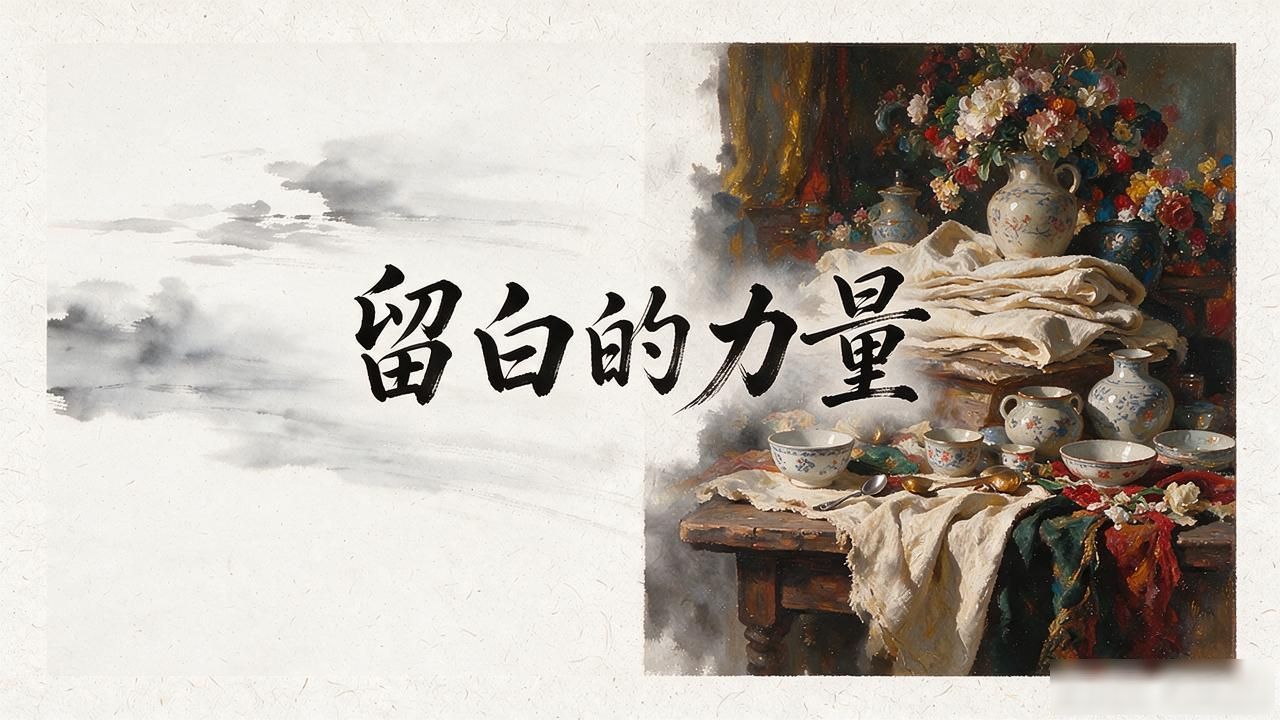
The blank space in Chinese paintings is not empty—it is alive. It represents mist, water, sky,or the infinite. Western artists fill the canvas. Chinese artists understand that what remains unseen is often more powerful than what is shown. This philosophy influences everything from garden design to poetry.
Bamboo painters like Zheng Xie in the Qing dynasty used simple brushstrokes to express resilience. A bamboo stalk bends in the wind but does not break. This became a metaphor for the scholar’s character. The painter was not just documenting nature but encoding moral philosophy into every leaf and stem.
Chinese Folk Art That Will Surprise You
Most foreigners know about porcelain and silk. Fewer have encountered paper cutting, shadow puppetry, or knot tying. These folk arts were never meant for museums. They decorated windows during festivals, entertained village children, and carried wishes for good fortune into new homes.
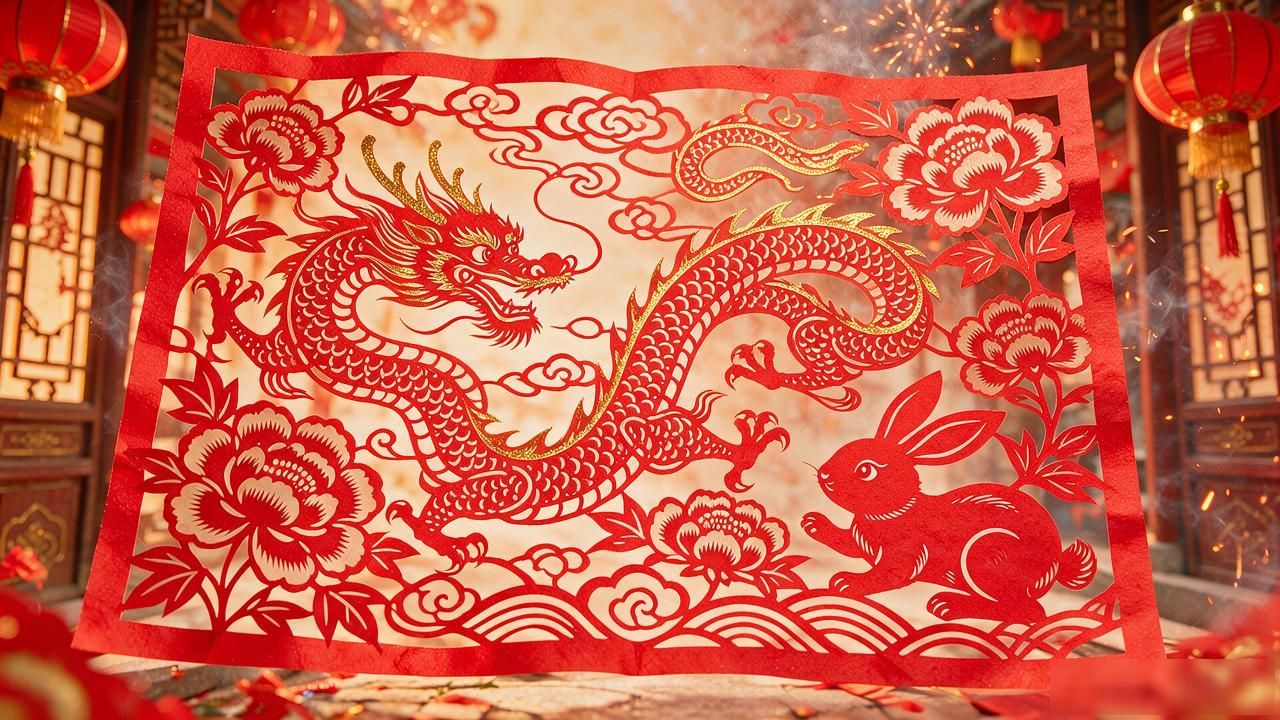
Paper cutting, or jianzhi, transforms a single sheet of red paper into intricate scenes. Dragons, flowers, rabbits, and mythical creatures emerge from folds and snips. These decorations appear during Spring Festival and weddings. The red symbolizes luck and wards off evil. A skilled artisan can produce dozens of designs in an hour, each one unique.
Shadow puppetry keeps ancient stories alive in rural communities. Leather figures, painted in vivid colors, dance behind a lit screen while musicians narrate tales from history and folklore. The craft has survived for over two thousand years despite modern entertainment competing for attention.
Knot tying represents another deeply symbolic tradition. Each knot carries meaning. The infinity knot symbolizes endless prosperity. The double happiness knot appears at weddings. complex braided patterns require patience and practice but reward the maker with objects that function as both decoration and talisman.