
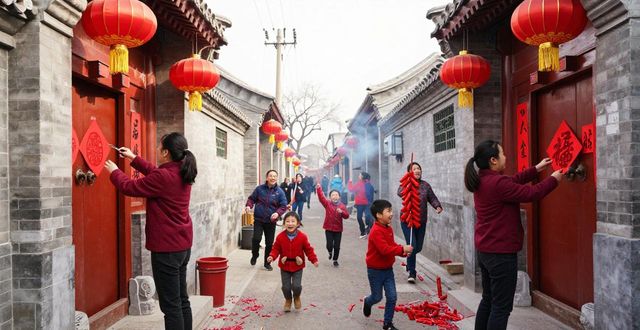
Hutong traditional festivals are among the most authentic cultural experiences you can have in Beijing. These narrow alleyways, which date back centuries, come alive during festivals like Lunar New Year,Lantern Festival, and Mid-Autumn Festival. If you want to see real Chinese traditions, not tourist shows, a hutong festival is your best bet. Locals hang red lanterns, cook family recipes, and welcome visitors to join in. This article will help you understand what happens, why it matters, and how you can take part.
What Are the Key Festivals in Beijing Hutongs

The most important festival in any hutong is Chinese New Year, or Spring Festival. During this time, residents clean their homes, paste red paper cutouts on doors, and set off firecrackers in the lanes. The narrow space of a hutong makes the noise echo and the atmosphere feel electric. You might see families making dumplings together in open doorways. The Lantern Festival, which comes two weeks later, is another highlight. Hutongs get decorated with countless paper lanterns, and children carry small ones while walking through the alleys. Older residents often light incense and pray at small shrines tucked into corners of the hutong.
Mid-Autumn Festival is a quieter but equally meaningful event. Neighbors share mooncakes and sit outside under the full moon. The hutong layout means you can see families from multiple households gathering in small courtyards. You might be offered a cup of tea and a slice of mooncake, even if you just walk by. Dragon Boat Festival also has its own feel, with some hutongs organizing zongzi-making competitions using sticky rice and bamboo leaves. These festivals follow a lunar calendar, so dates change each year, but that unpredictability adds to the charm.
How Can Foreign Visitors Really Join In
Many foreigners worry they will feel like outsiders during these festivals, but that is not the case. Hutong residents are famously warm and curious about international visitors. The best way to join is simply to walk through a hutong during a festival evening. People will wave, offer food, and often explain what they are doing. If you want a deeper experience, book a homestay in a hutong through platforms that specialize in cultural stays. Your host will likely invite you to help prepare festival meals.
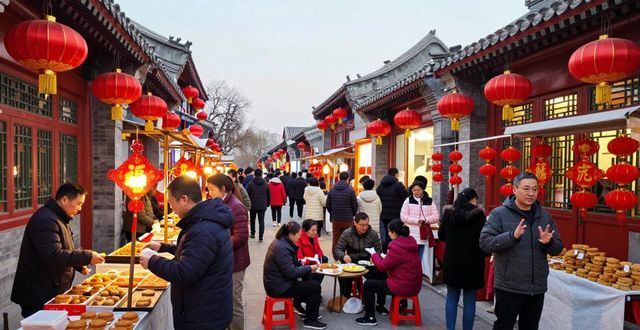
Another practical tip is to visit local markets a few days before a festival. You can buy your own lantern or mooncakes and bring them to share. Learning a few basic Chinese phrases like “Xin Nian Kuai Le” (Happy New Year) makes a huge difference. Some hutongs have community centers that host open events, like calligraphy writing or paper cutting workshops. Check social media groups for expats in Beijing, as these often share insider tips on which hutongs are most welcoming. The key is to show genuine interest and respect, and locals will welcome you like family.
Hutong traditional festivals offer a rare chance to see Chinese culture as it is lived, not performed. The laughter, the smells of cooking oil and incense, the sight of children running through narrow alleys with sparklers, these are moments that stay with you forever. Do not just watch from a distance. Step into a hutong, smile, and let the festival find you.