
What Is Real Chinese Culture in Beijing
Beijing has always been the beating heart of Chinese civilization. For thousands of years, emperors, scholars, artists, and merchants gathered here, building a culture unlike anywhere else on earth. But if you want to understand Chinese culture in Beijing, you need to look beyond the tourist traps. The real thing lives in the narrow alleys, inside small courtyards, and on stages where ancient operas still echo. This guide shows you what matters most — and why you should pay attention.
How Do Beijing Locals Live in the Old Neighborhoods
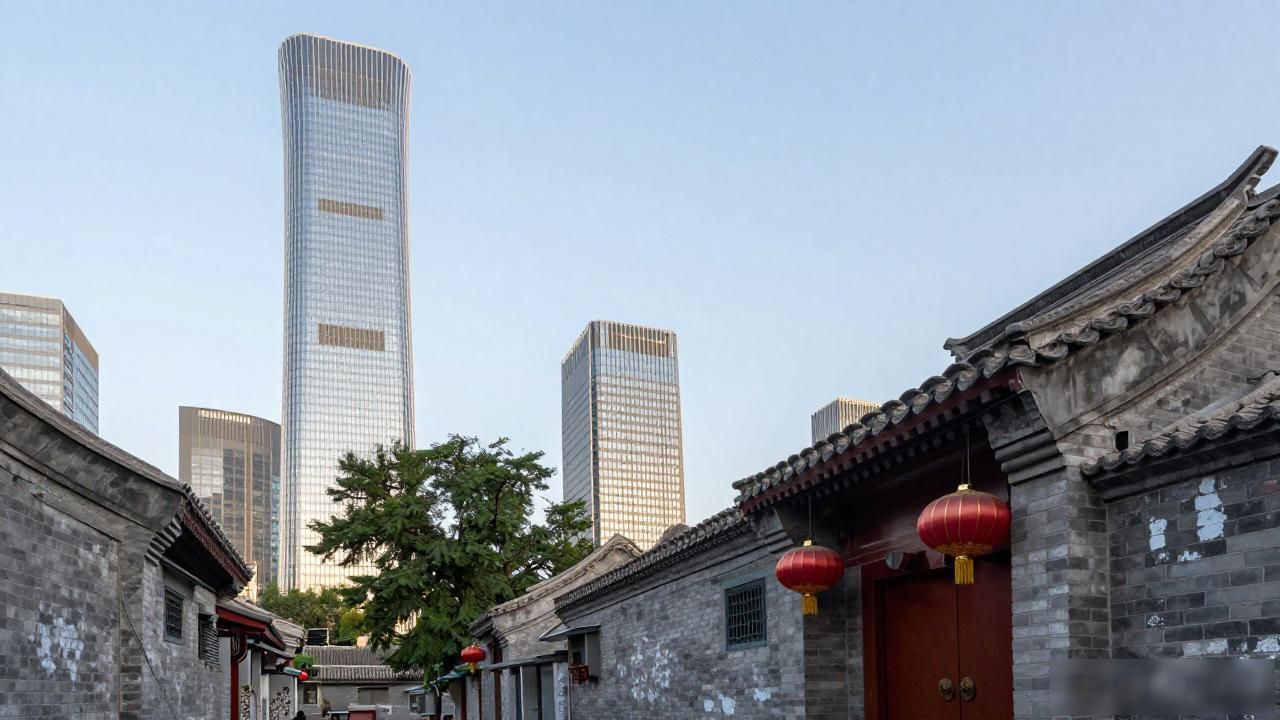
Walk into a Hutong early in the morning and you will see something most visitors never experience. Grandfathers practice tai chi on cracked marble slabs. Women sweep their doorsteps with straw brooms. Tea houses spill steam into the cold air while old men play Chinese chess under shade trees. This is daily life in Beijing’s oldest neighborhoods. These alleys have existed for centuries,and they still function the way they always have.

The contrast between these quiet lanes and the gleaming skyscrapers of central Beijing is staggering. You can stand in a fifty-story business district one moment and turn a corner into a world that feels untouched by time. Hutongs are the living memory of Beijing, and they deserve your respect when you wander through them. Locals greet you with polite curiosity rather than hostility, and a simple smile goes much further than any guidebook phrase.
Don’t rush through these areas. Sit at a street-side breakfast stall and eat jianbing — that savory crepe rolled with crispy fried dough inside. Listen to the rhythm of the neighborhood. That rhythm is Beijing’s soul.
What Cultural Sites Should You Visit Beyond the Tourist Spots
Most travelers queue for the Forbidden City, and yes, it is magnificent. But tucked between the major monuments are smaller temples, courtyard theaters, and community centers that reveal far more about Beijing’s cultural depth. The Temple of Heaven draws crowds, but the nearby Miaoying Temple near Beihai Park offers a quieter encounter with Buddhist art that feels intimate and real.
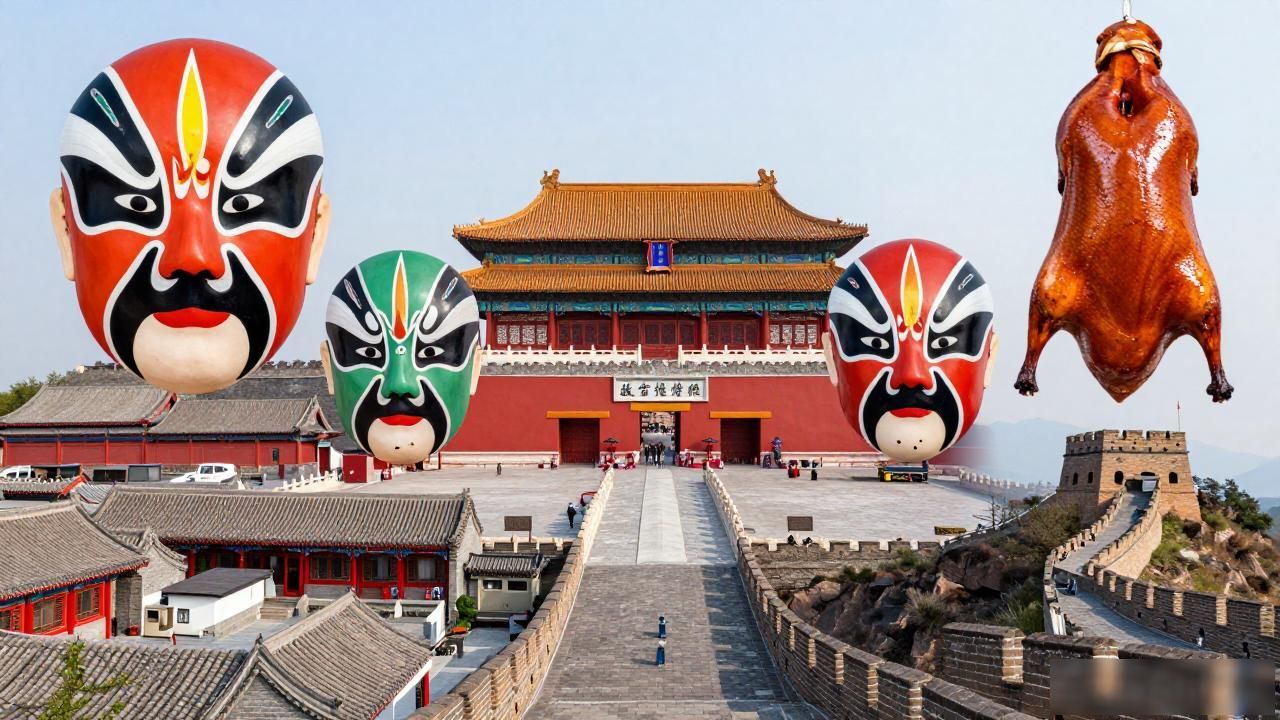
Explore the White Dagoba Street area, where Tibetan Buddhism blends with Han Chinese traditions in ways that feel uniquely Beijing. Visit the Drum and Bell Towers at sunset when the neighborhood around them glows golden. Each site tells a story about how different cultures, religions, and dynasties shaped this city over nine hundred years.
These hidden spots matter because they show you the layered reality of Chinese civilization — not the simplified version sold to overseas tourists. When you step inside a century-old courtyard home converted into a small gallery, or watch a local storyteller recite tales in a community center, you are touching something genuine.
Is Peking Opera Worth Watching as a Foreign Visitor
Traditional Chinese opera has fascinated outsiders for centuries, and Peking Opera remains its most famous form. For a foreign visitor, the experience can be overwhelming at first — the elaborate costumes, the painted faces, the soaring vocal style all feel completely alien. But stick with it, because Peking Opera is one of China’s most treasured cultural traditions, and understanding even a fraction of it will change how you see Chinese art.
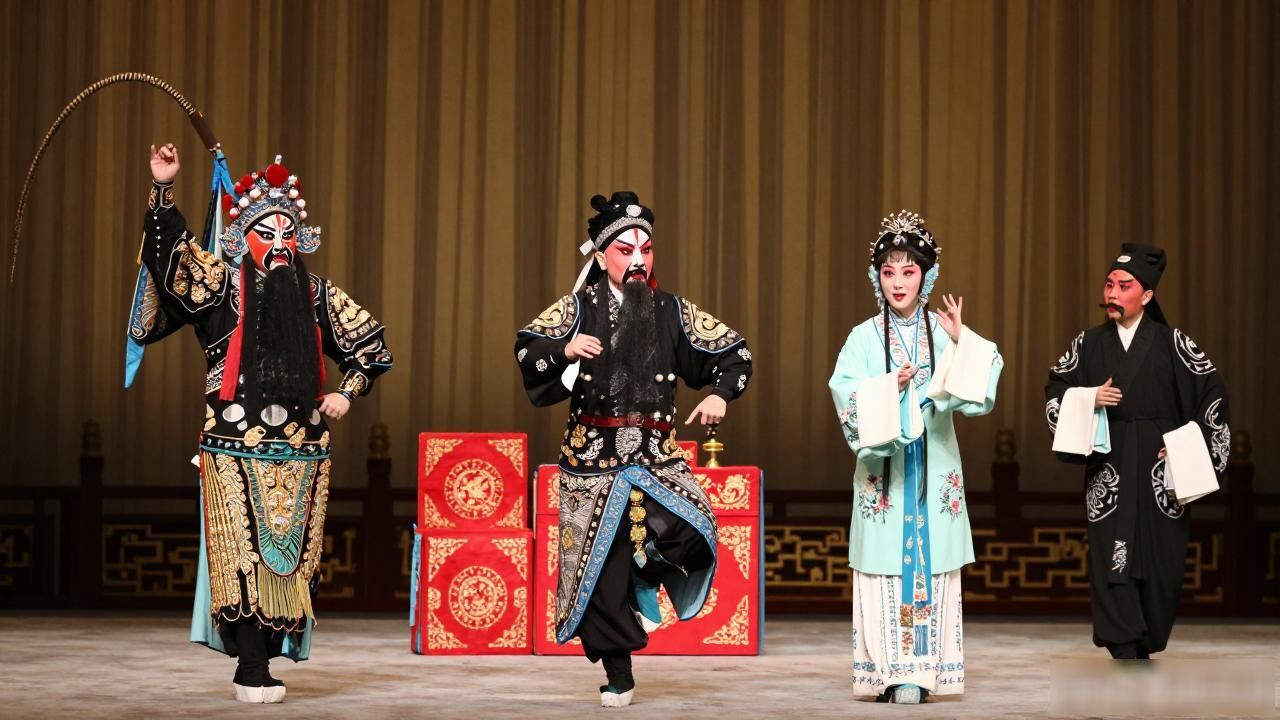
The performance combines singing, martial arts, dance, and acrobatics into a single breathtaking art form. Each character type follows strict conventions — the painted face of the loyal general, the delicate movements of the female lead, the comic timing of the clown. These conventions are not arbitrary. They carry centuries of storytelling logic that Chinese audiences understand instinctively.
You do not need to speak Mandarin to feel the emotional power of a well-performed aria. The music, the movement, and the visual splendor speak directly to you. Visit the Mei Lanfang Memorial Theatre for a shortened evening performance designed for international audiences, or venture to smaller neighborhood venues where you will see the art form in its purest form.
Beijing’s culture is not confined to museums or monuments. It lives in the way people greet each other on the street, in the food shared at neighborhood tables, in the music still performed in ancient styles. Go looking for it, and you will find something unforgettable.