
Chinese paper cutting (jianzhi) is a delicate folk art that transforms simple paper into intricate stories and symbols. While the artist’s skill matters most, the right tools make the difference between frustration and flow. Many beginners assume any scissors or paper will work, but traditional Chinese paper cutting relies on specific equipment that has evolved over centuries. Understanding these tools will help you create cleaner cuts, more detailed designs, and a more authentic experience.
Best Scissors for Paper Cutting
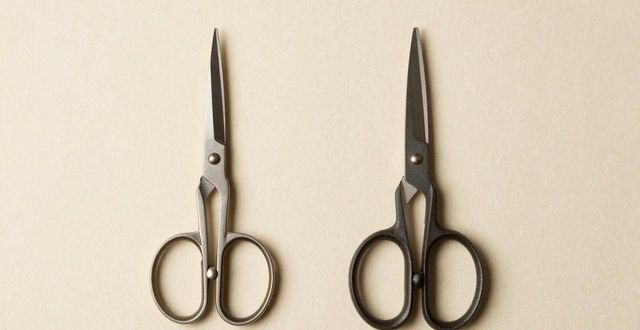
The most important tool is a pair of dedicated paper cutting scissors. Unlike standard household scissors, traditional Chinese paper cutting scissors have slender, pointed blades that can turn sharply and cut tiny circles. Look for scissors with blades between 2.5 to 3.5 inches long and handles that fit your grip comfortably. Many artisans prefer scissors made from carbon steel because they hold a sharper edge longer than stainless steel. When testing scissors, pay attention to the pivot screw – it should allow smooth movement without wobbling. Avoid scissors with serrated edges or plastic handles that slip when your hands get sweaty.

Professional Chinese paper cutting artists often own multiple pairs for different tasks. Fine-tipped scissors with blades that meet exactly at the tip are essential for cutting facial features on figures or tiny petals on flowers. Heavier scissors with slightly thicker blades work better for cutting layered paper or thicker materials. Some artists also keep a pair of spring-loaded scissors to reduce hand fatigue during long sessions. Remember to dedicate these scissors exclusively to paper cutting – using them on tape, cardboard, or fabric will quickly dull the blades and ruin their precision.
What Paper to Use for Chinese Paper Cutting
The paper you choose directly affects your cutting results. Traditional Chinese paper cutting uses xuan paper (rice paper) because it is thin yet strong, allowing cuts to remain crisp without tearing. For beginners, red xuan paper is the most common choice since red symbolizes luck and happiness in Chinese culture. The paper should be around 40 to 60 grams per square meter – thin enough to cut through multiple layers but thick enough to hold fine details. Avoid standard printer paper, which is too fibrous and will cause ragged edges. Also avoid cardstock or construction paper, as their thickness forces you to apply too much pressure.
Many contemporary artists also experiment with handmade mulberry paper or even metallic foil paper for special projects. When stacking several sheets to cut multiple copies at once, use a light spray of temporary adhesive between layers to prevent shifting. For practice, you can start with ordinary tracing paper or even newsprint, but switch to authentic xuan paper once your designs become more complex. The paper’s grain direction matters less than its internal fiber structure – xuan paper fibers run randomly, which is why it cuts so cleanly from any angle.
Essential Cutting Mats and Accessories
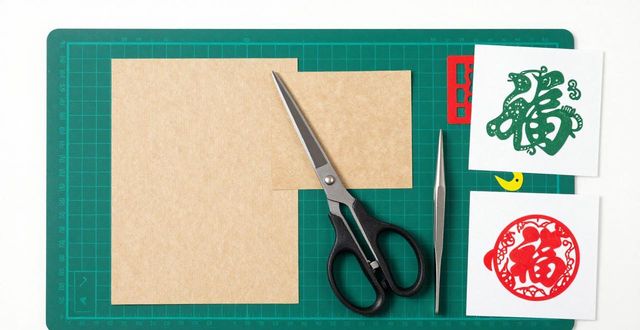
A proper cutting mat protects both your scissors and your work surface. Self-healing cutting mats made from five-ply PVC are ideal because the material closes up after each cut, preventing grooves that could guide your scissors off course. Choose a mat with a grid pattern printed on it – this helps you align paper and measure distances without extra rulers. The mat should be at least 12 by 18 inches to give you room for larger designs. Keep your mat clean by wiping it with a damp cloth after each session; paper dust and tiny scraps can get embedded and affect future cuts.
Beyond scissors and paper, several accessories make the cutting process smoother. A slate pencil or white charcoal pencil allows you to trace patterns onto dark paper without leaving permanent marks. Fine-point tweezers help you remove tiny cutout pieces from intricate designs without tearing the paper. A small soft brush, like a makeup brush or paintbrush, sweeps away paper scraps without smudging your work. For storage, use acid-free envelopes or portfolio sleeves to protect finished pieces from humidity and sunlight. Some artists also use a magnifying lamp to see ultra-fine details as they cut near the paper’s edge.
Caring for Your Chinese Paper Cutting Tools
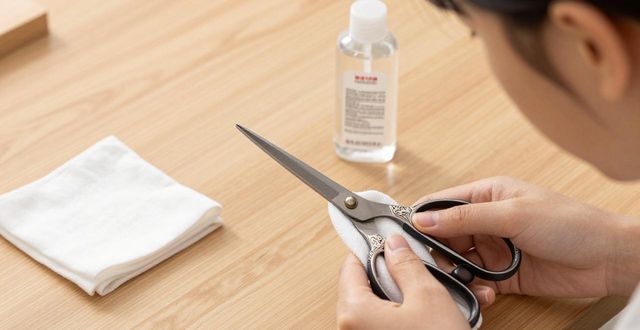
Proper maintenance extends the life of your scissors dramatically. After each cutting session, wipe the blades with a soft cloth to remove paper residue and moisture. Every two to three weeks, apply one drop of sewing machine oil to the pivot screw and work it in by opening and closing the blades several times. Never soak scissors in water or run them through a dishwasher – this ruins the temper of the steel and loosens the rivet. Store scissors in a dry place,preferably in a leather or felt sheath to protect the tips. If your scissors become stiff, do not force them; instead, clean the pivot area with rubbing alcohol and re-oil.
Sharpening paper cutting scissors requires special care because the blades are so small. Unlike kitchen knives, these scissors need their inner flat surfaces kept perfectly flat. Use a fine-grit sharpening stone (1000 grit or higher) and stroke from the pivot to the tip, maintaining the original angle. Alternatively, send them to a professional scissor sharpener who understands delicate blades. Check sharpness by cutting a piece of thin plastic wrap – if the scissors glide through without snagging, they are ready. Replace scissors every two to three years of regular use, or sooner if you notice bent tips or a wobbly pivot that cannot be tightened.
What is the one paper cutting tool you have struggled to find or master, and how did you solve that problem? Share your experience in the comments below – your tip might help another artist breathe new life into their craft. And if this guide helped you, give it a like and pass it along to someone just starting their Chinese paper cutting journey.