
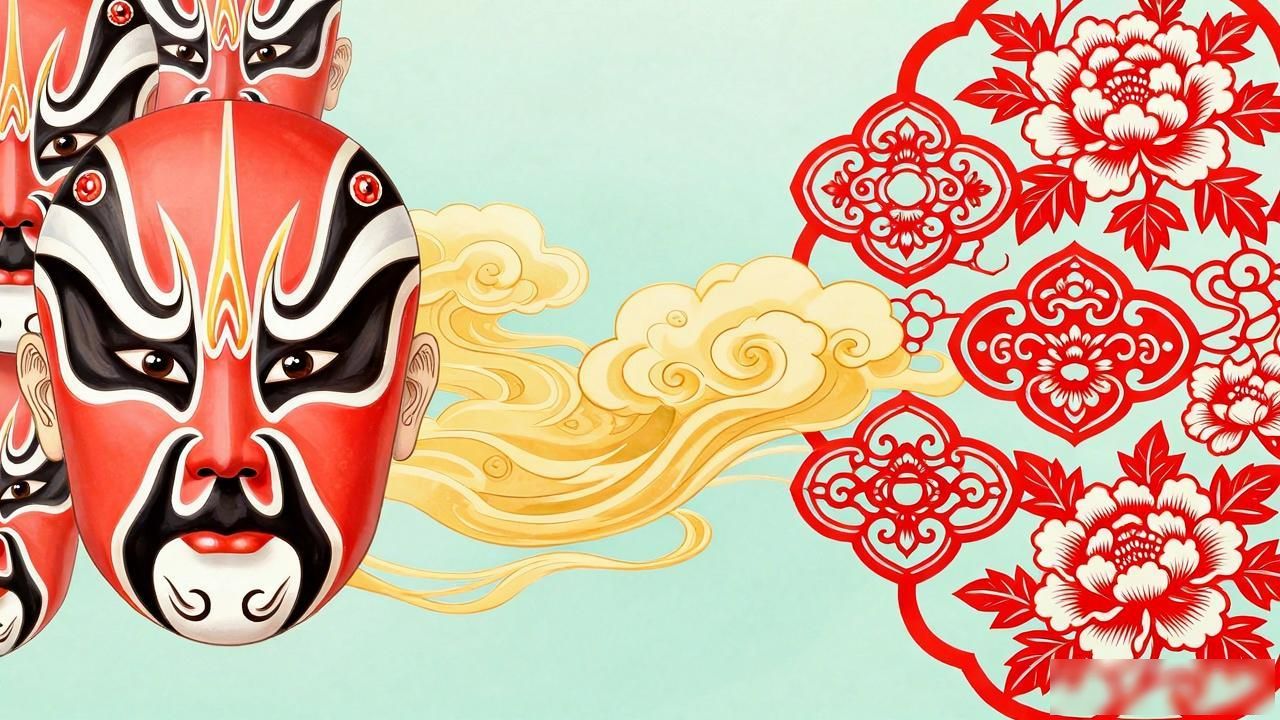
Chinese traditional art is not merely decoration; it is a profound expression of philosophy,history, and aesthetic values that have evolved over thousands of years. For many foreigners, understanding these Chinese culture art forms offers a window into the soul of China. From the fluid lines of calligraphy to the intricate patterns of porcelain, every brushstroke and glaze tells a story of harmony between humanity and nature. This exploration aims to demystify these artistic treasures, revealing how they reflect the deep-rooted beliefs and social structures of Chinese society. By looking closely at specific mediums, we can appreciate the skill and spiritual depth embedded in each piece.
What are the key Chinese culture art forms?

Calligraphy stands out as one of the most revered art forms in China. It is not just about writing characters correctly but about expressing the writer’s inner spirit through rhythm, balance, and energy. The tools used—the brush, ink, paper, and inkstone—are often considered extensions of the artist’s mind. Mastering this art requires years of discipline, reflecting the Confucian emphasis on self-cultivation and moral integrity. Each stroke carries weight and emotion, making calligraphy both a literary and visual experience that has influenced East Asian aesthetics for centuries.
Porcelain production represents another pinnacle of Chinese artistic achievement. Known famously as “china” globally, this delicate material showcases technical brilliance and artistic elegance. The transition from simple earthenware to translucent porcelains during the Tang and Song dynasties marked a significant technological leap. Artists employed cobalt blue pigments to create stunning underglaze designs, particularly during the Ming and Qing periods. These intricate patterns often featured dragons, phoenixes, or landscape scenes, symbolizing power, good fortune, and natural beauty. The global trade of porcelain further spread Chinese influence, making it a coveted commodity worldwide.
How do these arts reflect cultural values?
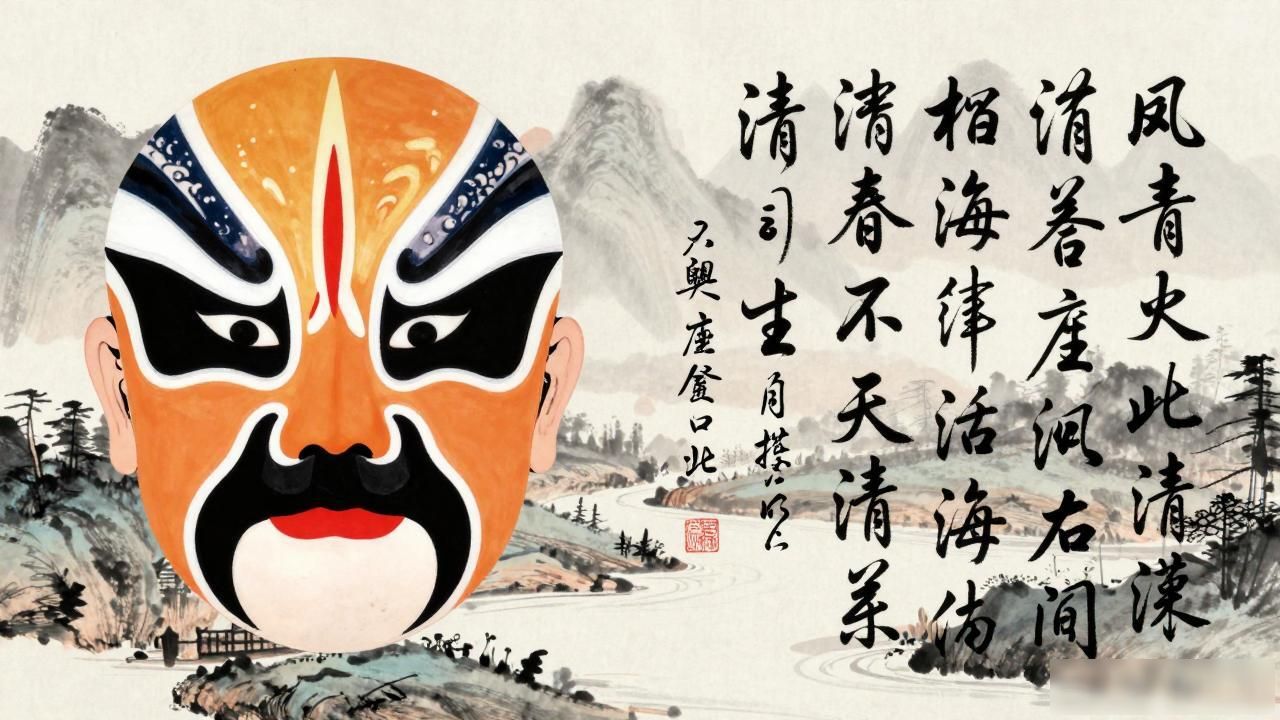
Traditional Chinese painting, especially landscape art (shan shui), embodies Taoist ideals of living in harmony with the universe. Unlike Western realism, these paintings prioritize mood and essence over precise representation. Empty space within the composition is as important as the painted elements, suggesting the vastness of nature and the smallness of human existence. This approach encourages contemplation and introspection, inviting viewers to find peace amidst the complexities of life. The integration of poetry, calligraphy, and painting creates a multi-sensory experience that engages both the eye and the mind.
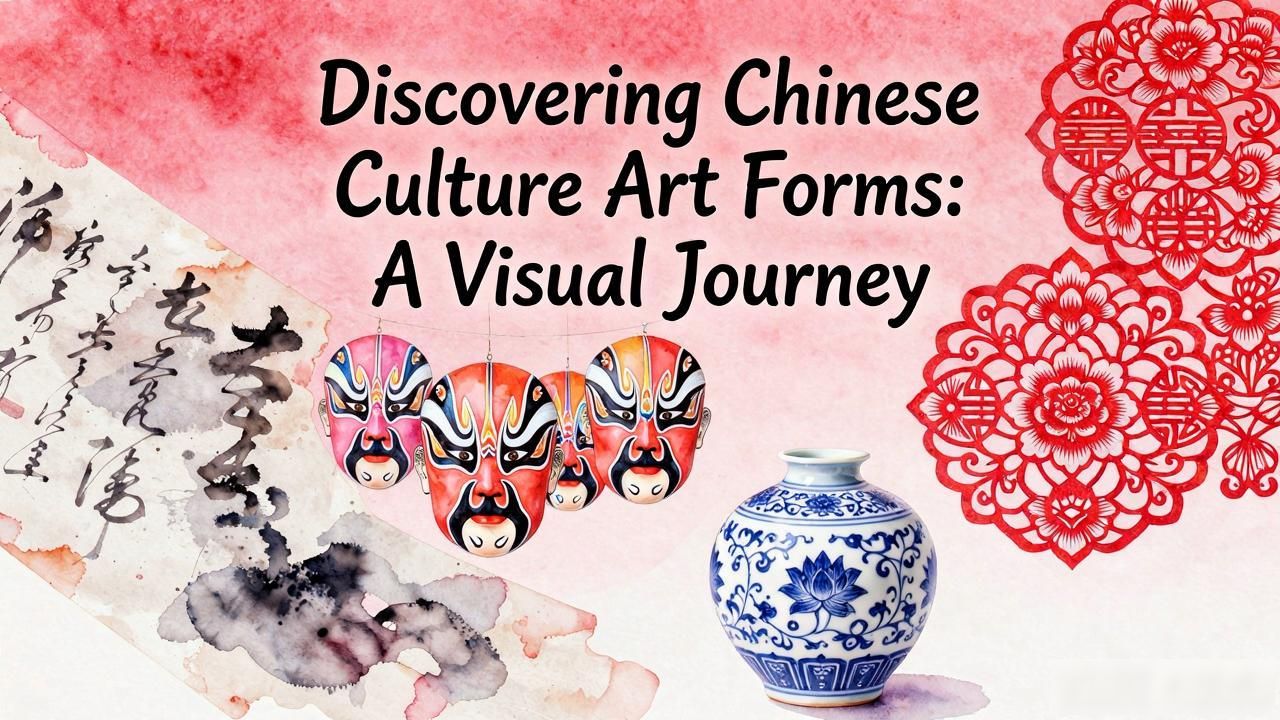
These art forms collectively highlight the Chinese preference for subtlety, balance, and symbolic meaning. They serve as mediums for conveying philosophical teachings and historical narratives without explicit exposition. For international audiences, engaging with these works fosters a deeper appreciation of Chinese heritage beyond superficial stereotypes. Understanding the context behind Chinese culture art forms enriches the viewing experience, transforming mere observation into a meaningful cultural dialogue. This connection bridges divides, allowing people across the world to share in the timeless beauty and wisdom encapsulated in these artistic traditions.