
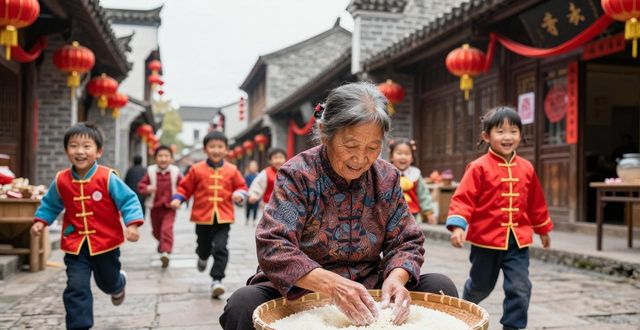
Old town festivals in China offer a fascinating window into the country’s rich cultural heritage. Unlike modern city celebrations, these events take place in ancient streets, courtyard houses, and along cobblestone lanes that have witnessed centuries of history. From fiery dragon dances to lantern-lit waterways, each festival tells a story of local traditions, beliefs, and communal bonds. For foreign travelers, attending one of these festivals is not just about watching performances—it is about stepping into a living museum where time seems to stand still. In this guide, I will share what makes these festivals special, where to find them, and how to make the most of your visit.
What makes old town festivals unique

The magic of old town festivals lies in their authentic atmosphere. Unlike staged tourist shows, these celebrations are often organized by local villagers who have passed down customs for generations. You might see elderly women making rice wine in bamboo baskets while children run past with paper lanterns. The architecture itself becomes part of the performance—fireworks reflect off ancient canals, and opera singers perform on临时 stages built against thousand-year-old temples. Because the towns are compact, everything feels intimate and immersive. You are not a distant observer; you are walking right through the heart of the action,sharing smiles with locals who are genuinely proud to show you their traditions.
Best old town festivals to experience
Several old town festivals stand out for their uniqueness and accessibility. The Pingyao International Photography Festival, held in September within Shanxi’s ancient城墙ed city, mixes contemporary art with Ming-Qing dynasty streets. For water town lovers, Zhouzhuang’s Lantern Festival in February turns canals into rivers of floating lights, accompanied by rowboat singers in traditional costumes. Another gem is the Huangyao古镇’s Dragon Dance Festival in Guangxi, where a 100-meter-long dragon weaves through narrow alleyways, stopping at every household to bring good luck. If you visit Fenghuang in June, the Dragon Boat Race on the Tuo River draws crowds who cheer from stilted houses perched on cliffs. Each festival has its own calendar, so planning ahead is essential.
How to join old town festivals respectfully
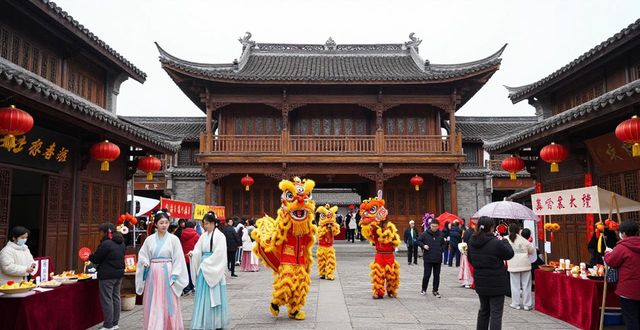
As a foreign visitor, showing respect for local customs will enrich your experience. Always ask permission before taking close-up photos of elders or religious rituals. During processions, avoid blocking the path of dancers or musicians—they often follow a sacred route that cannot be altered. Try to learn a few basic phrases in the local dialect, such as “thank you” or “good health,” because many older residents speak little English. Wear comfortable shoes and be prepared for large crowds, especially during Lunar New Year celebrations. Lastly, support the community by buying handmade souvenirs directly from artisans rather than mass-produced items. Your thoughtful participation helps preserve these festivals for future generations.
What to eat and buy at old town festivals
Food is an inseparable part of any Chinese old town festival. In Lijiang’s Naxi old town, you can taste baba (wheat pancakes) stuffed with yak butter and rose petals, sold from wooden carts during the Torch Festival. At Hongcun’s Harvest Festival, villagers fry fresh tofu dipped in chili sauce on century-old stone stoves. For sweets, try osmanthus cakes in Wuzhen, which are steamed in lotus leaves and smell like autumn. When shopping, look for handmade bamboo weaving, paper-cut art, or embroidered pouches featuring festival motifs like dragons or phoenixes. Avoid buying antique-looking items that may be illegally excavated relics. Instead, choose crafts that carry a certificate of authenticity from local cooperatives. These souvenirs not only remind you of your journey but also directly benefit the artisans.
Have you ever experienced a traditional festival in an ancient Chinese town, and what surprised you the most about the local customs? Share your story in the comments below, and don’t forget to like and share this guide with fellow travelers planning their cultural adventures!