
China is far more than the iconic landmarks most travelers know. Beyond the Great Wall, Forbidden City, and Terracotta Warriors lie stunning destinations where history, culture,and natural beauty intertwine without the overwhelming crowds. These hidden corners of China offer something increasingly rare: the chance to experience authentic landscapes and traditions at your own pace.
What Are the Best Hidden Gems in China for Travelers?

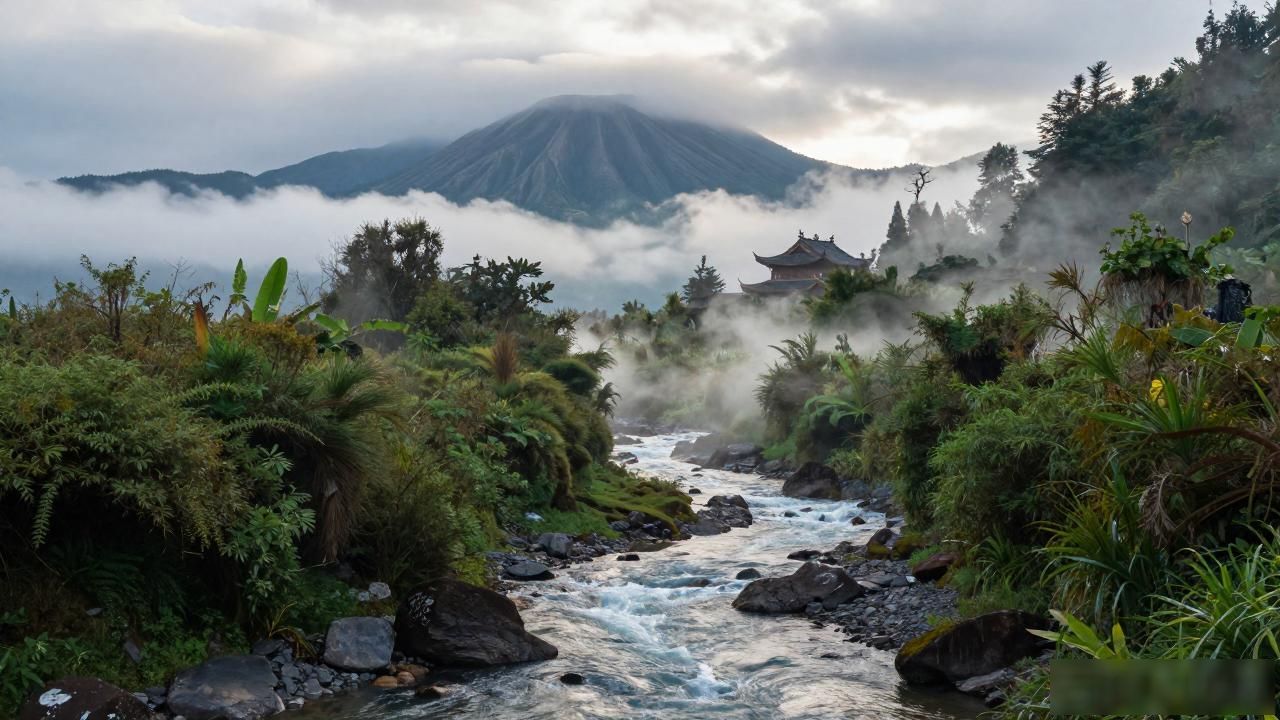
Nestled in Yunnan Province, Tengchong is a sleepy volcanic town bordering Myanmar. Its hot springs have been revered for centuries, drawing visitors from across Southeast Asia. The surrounding landscape features ancient volcanoes, pristine rivers, and serene Buddhist monasteries perched among misty hills. Tengchong also holds deep historical significance from World War II, with well-preserved battlefields and war cemeteries that tell powerful stories often overlooked by mainstream itineraries.
Further west, the Tibetan autonomous region of Sichuan offers Ganzi, a high-altitude plateau landscape that rivals anything in the Himalayas. Vast grasslands, snow-capped peaks, and deep river gorges create scenes that feel almost otherworldly. Nomadic communities still roam these mountains, preserving ways of life unchanged for centuries. For travelers seeking dramatic scenery without the altitude sickness risks of Lhasa, Ganzi provides a more accessible entry point into Tibetan culture.
Shanxi Province, often skipped by international visitors, hides remarkable treasures. Pingyao Ancient City has become somewhat famous, but just beyond its walls lies Hunyuan, home to the hanging temple built into a cliff face over 1,400 years ago. This architectural marvel defies logic, with wooden corridors suspended thousands of feet above the valley floor.
Why Should You Explore Lesser-Known Places in China?
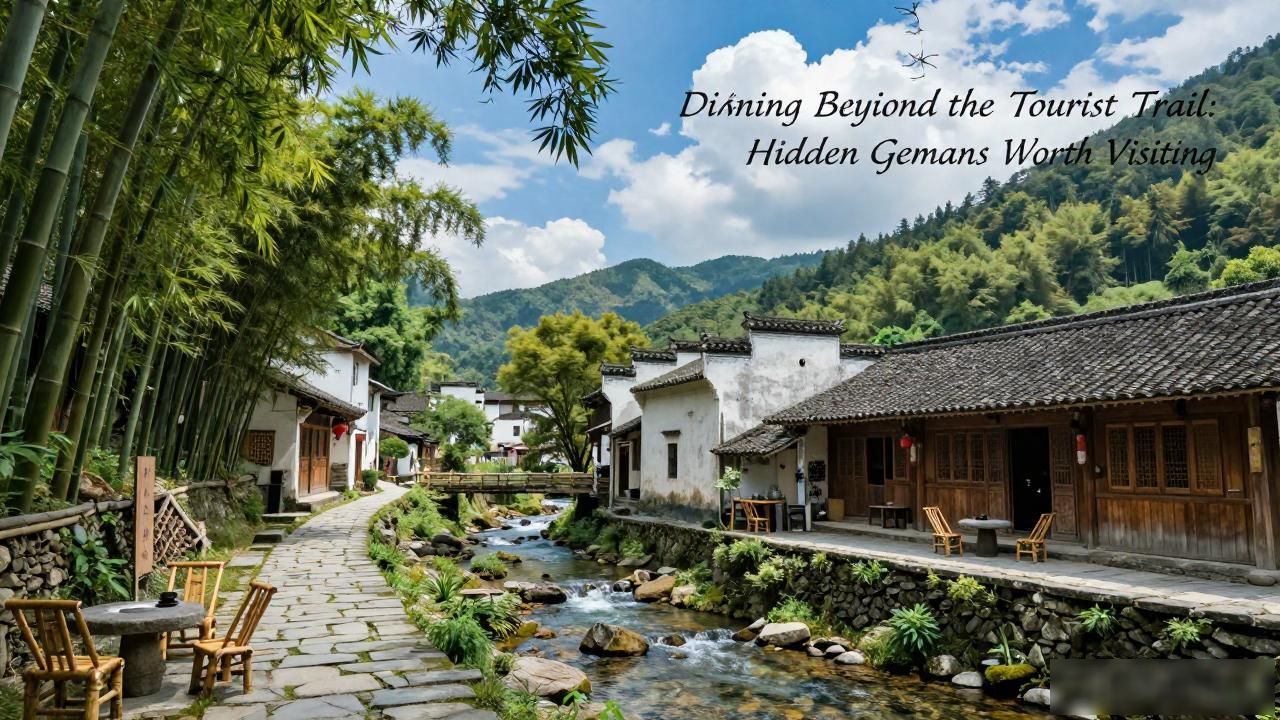
The appeal of these destinations goes far beyond avoiding crowds. Travelers who venture off the beaten path often report deeper cultural connections — sharing meals with local families, discovering street food unknown to guidebooks, and witnessing traditions that tourism hasn’t commercialized. In places like Jinghong in southern Yunnan, Dai minority communities welcome visitors into their stilt-house villages, offering a glimpse into animist Buddhist practices found nowhere else.
Practical advantages are equally compelling. Accommodation costs in these regions can be half those found in Beijing or Shanghai, and the pace of daily life allows for meaningful exploration rather than rushed checklist tourism. Many hidden gems also carry less environmental strain from overtourism, making them more sustainable choices for conscientious travelers.
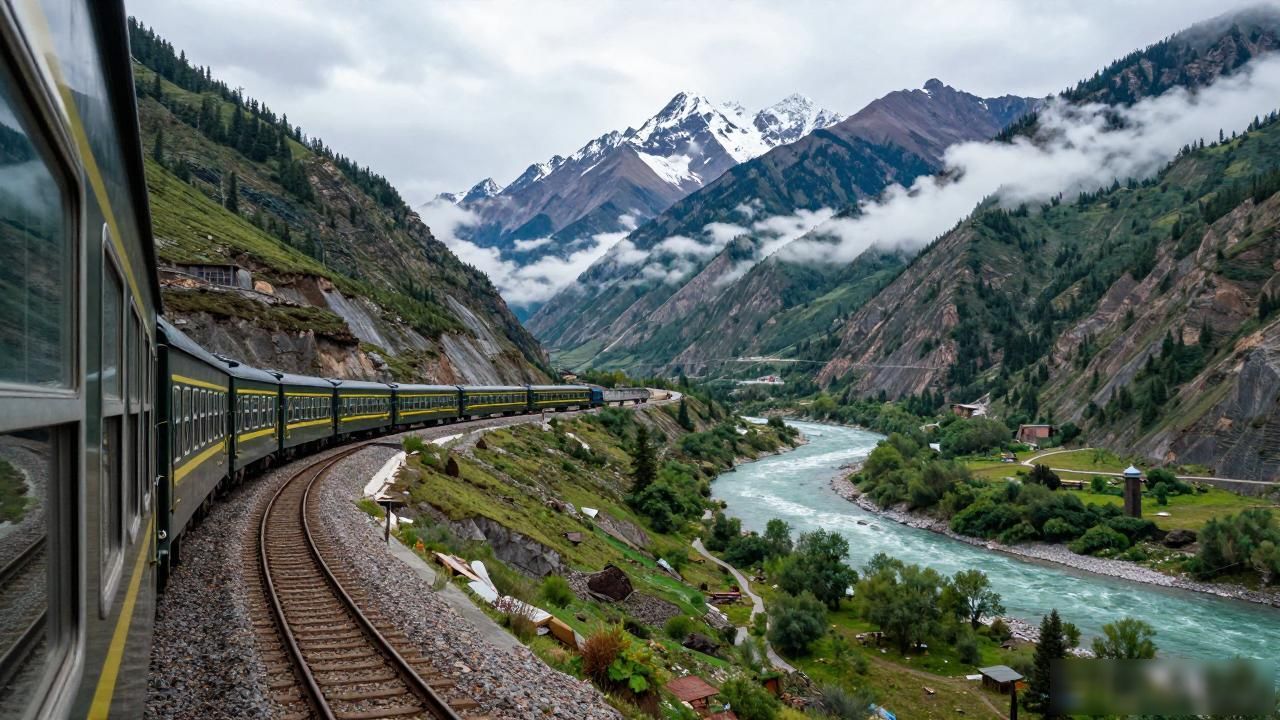
Getting there requires patience — some destinations lack direct international flights — but the journey itself often becomes part of the adventure. Scenic train routes through mountain passes and winding bus rides along river valleys reveal landscapes no airport transfer could match.
China’s secret doors remain open for those willing to look beyond the guidebook staples. Each lesser-known destination tells a story that mainstream tourism has yet to discover, waiting patiently for curious travelers to uncover its magic.