
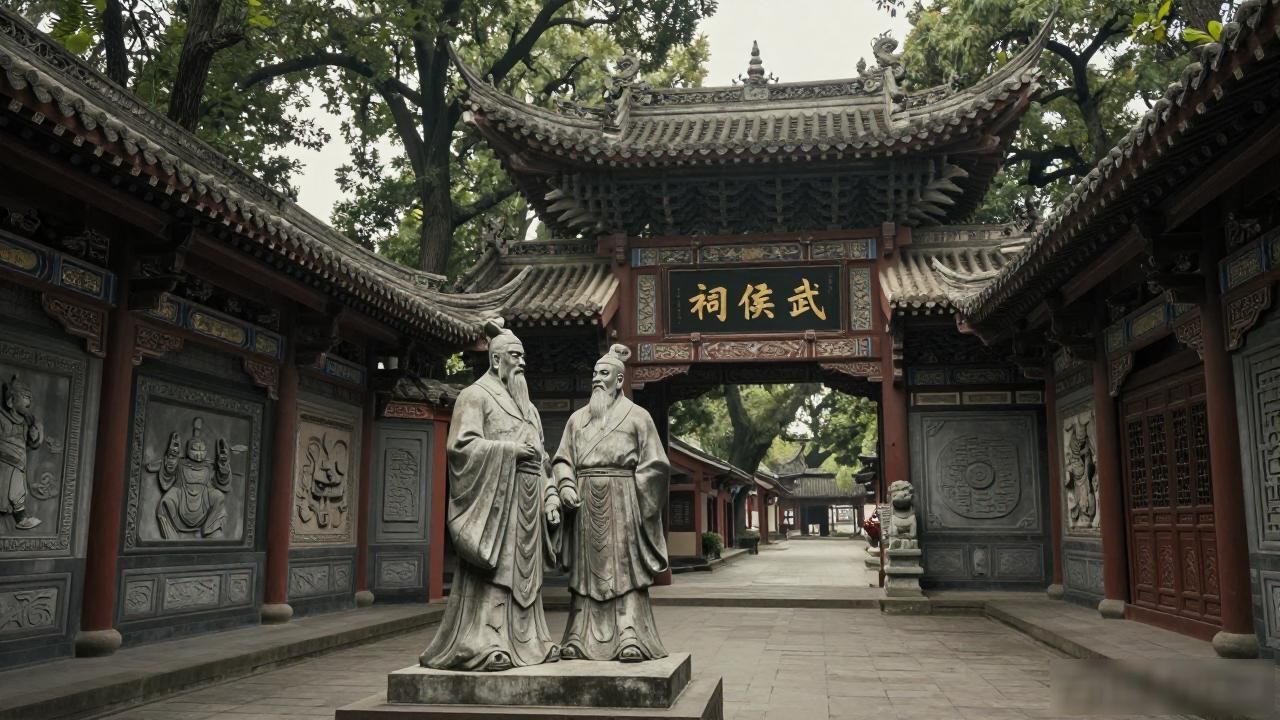
Chengdu is often celebrated for its spicy cuisine and relaxed tea house culture, but beneath this modern veneer lies a deep, layered history spanning over 3,000 years. For travelers seeking authenticity beyond the pandas and hotpot, the city’s historical sites offer a profound connection to ancient Shu civilization and imperial China. These landmarks are not merely ruins; they are living testaments to the resilience and artistic brilliance of the region. By exploring these locations, visitors can step back in time and understand the cultural DNA that defines Chengdu today.
What are the must-see ancient temples in Chengdu?

Wuhou Shrine stands as a unique complex dedicated solely to Zhuge Liang and Liu Bei, heroes of the Three Kingdoms period. Unlike typical Confucian temples, it blends the reverence for a military strategist with the worship of a founding emperor. Walking through its cypress-lined paths feels like entering a hallowed hall of loyalty and wisdom. The architecture is exquisite, featuring intricate wood carvings and ancient steles that whisper stories of battles long past. It is a place where history feels tangible, allowing visitors to reflect on the complex alliances that shaped Chinese destiny.
Jinli Ancient Street offers a different perspective, mimicking the bustling commercial streets of the Qing Dynasty. While somewhat commercialized, it retains an atmospheric charm with its red lanterns and traditional teahouses. Here, one can sample local snacks while observing craftsmen at work. The proximity to Wuhou Shrine makes it an ideal extension of a historical tour. The street comes alive at night, when the lights reflect off the stone pathways, creating a magical ambiance that transports you to a bygone era of trade and social interaction.
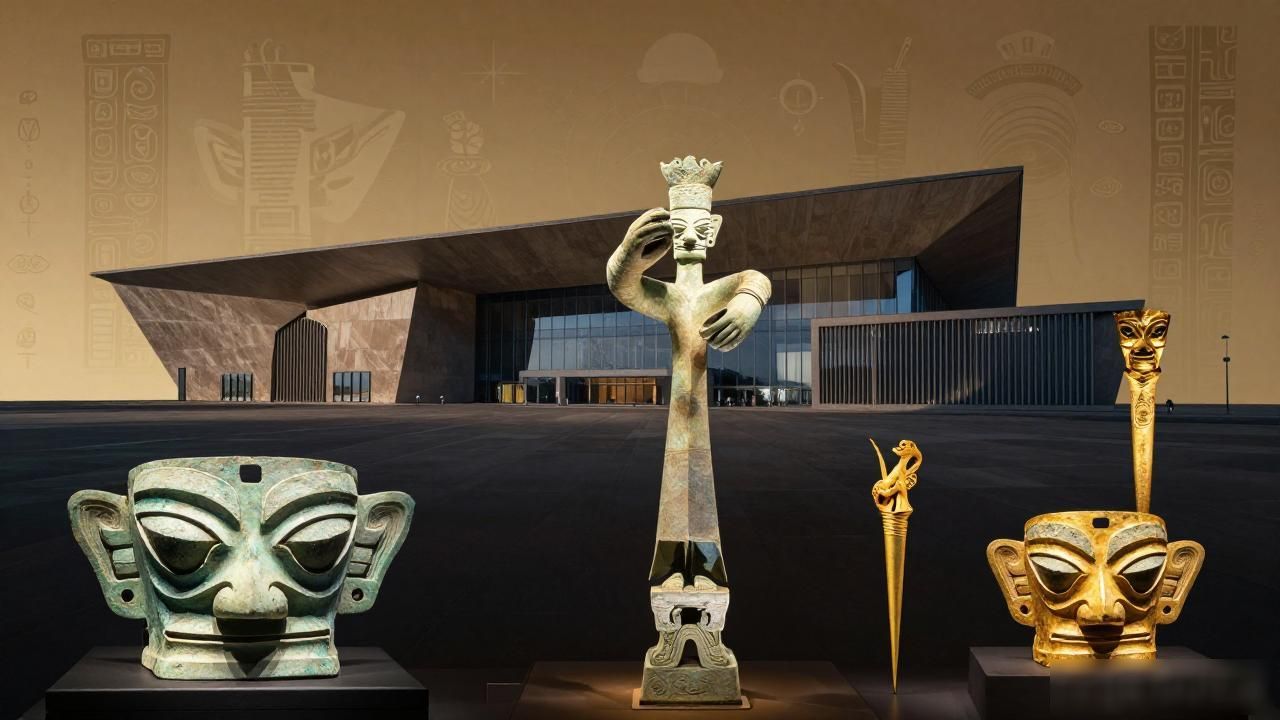
How does the Sanxingdui Museum redefine Shu history?
Just north of the city center lies the Sanxingdui Museum,a site that has radically rewritten our understanding of ancient Chinese civilization. The discovery of bizarre bronze masks and towering trees here challenged the notion that Chinese culture originated solely from the Yellow River valley. These artifacts suggest a distinct, sophisticated Shu culture with its own unique religious and artistic expressions. The sheer scale and strangeness of the findings leave visitors in awe, prompting questions about the lost civilizations that once thrived in this fertile basin.
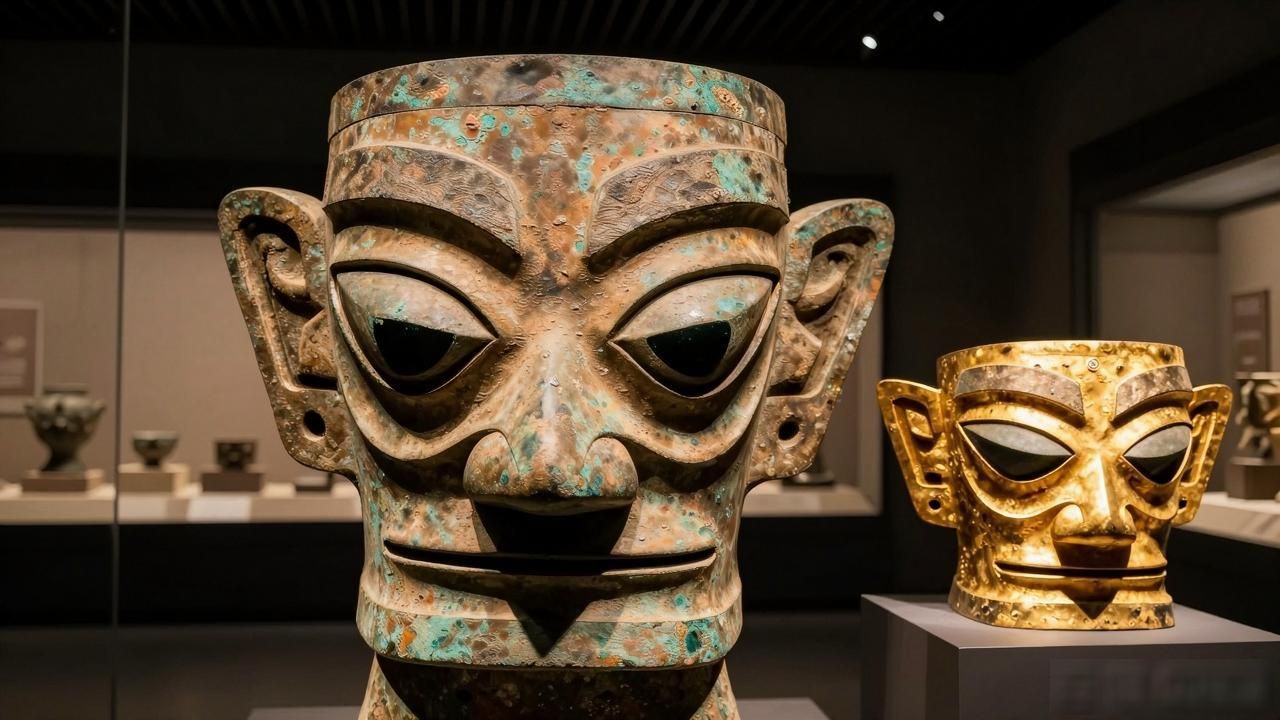
The museum houses exhibits that are unlike anything else in the world. Massive bronze heads with protruding eyes seem to gaze into another dimension, while golden masks hint at rituals unknown to modern scholars. This collection provides a crucial link to the mysterious Sanxingdui city, which was inhabited over 3,000 years ago. Visiting this site is essential for anyone wanting to grasp the depth of Chengdu’s historical roots. It reveals a side of China that is ancient, enigmatic, and profoundly different from the standardized narratives often presented elsewhere.
Exploring Chengdu’s historical sites offers more than just sightseeing; it provides a narrative thread connecting the past to the present. From the solemn halls of Wuhou Shrine to the alien-like artifacts of Sanxingdui, each location tells a part of a larger story. These places invite travelers to slow down and appreciate the enduring legacy of the Shu people. By engaging with this history, visitors gain a richer, more nuanced appreciation of Chengdu’s role in the tapestry of Chinese heritage.