
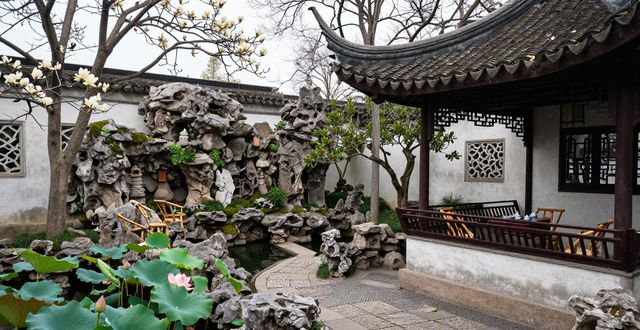
When people think of classical Chinese gardens, the mind immediately travels to Suzhou. These gardens are not mere collections of plants and ponds; they are masterpieces of landscape architecture, poetry, and philosophy rolled into one. Having visited several of these UNESCO World Heritage sites, I can tell you that each garden offers a unique window into ancient Chinese culture. In this guide, we will explore why these gardens are so special, what hidden details you should look for, and how to plan your visit for the most authentic experience.
Why are Suzhou Gardens so famous worldwide

The fame of Suzhou Gardens rests on their incredible age and artistic perfection. Many were built over 900 years ago by scholar-officials who wanted to create miniature universes in their backyards. Unlike grand imperial gardens in Beijing, Suzhou gardens are intimate, designed for quiet contemplation and intellectual escape. Every rock, window frame, and winding path has a purpose. For example, the Humble Administrator’s Garden uses borrowed scenery, where distant pagodas appear as part of the garden. This level of design thinking was centuries ahead of its time, which is why architects from around the world still study them today.
What hidden symbols to spot in a classic Suzhou garden
To truly appreciate a Suzhou garden, you must become a symbol hunter. Look for the “dragon” in twisted pine trees and the “phoenix” in bamboo clusters. The white walls are not empty; they act as canvases for shadows of plants that change with the sun. Pebble mosaics on paths often form bats, which represent good fortune, or coins, symbolizing wealth. Pay attention to windows shaped like fans or leaves – each frames a “painting” that changes with the seasons. The Lingering Garden even has a stone named “Cloud-Capped Peak” that resembles a mythological mountain. Understanding these details turns a simple walk into a cultural treasure hunt.
Best time to visit Suzhou gardens for fewer crowds
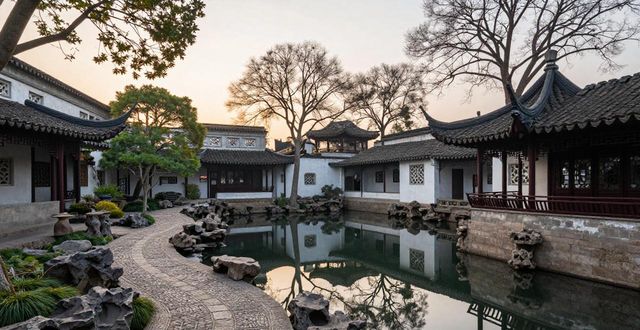
Most tourists come in spring and autumn,but these are also the most crowded seasons. For a peaceful experience, aim for early morning on a weekday, right when the gates open at 7:30 AM. Late autumn (November) is my personal recommendation: the ginkgo leaves turn golden, and the gardens have a melancholic beauty without the summer heat. Winter visits have their own charm too – snow on black pine trees and empty pathways create a scene straight from an ink painting. Avoid national holidays like Golden Week at all costs. Also, buy tickets online one day in advance; popular gardens like the Master of Nets Garden often sell out by 10 AM.
How to understand the philosophy behind rock and water
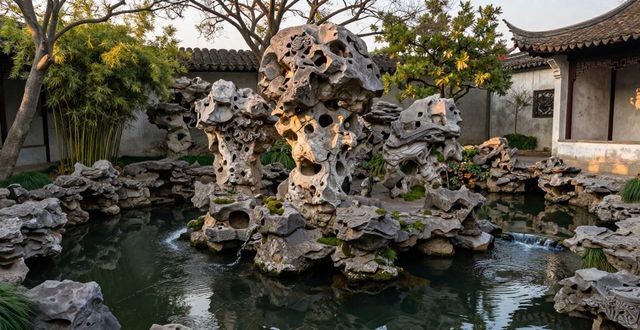
The heart of every Suzhou garden is the balance between yang (hard rock) and yin (flowing water). Rocks, often porous limestone from Lake Tai, represent mountains and the masculine, eternal energy. Water, shaped into serpentine streams and still ponds, represents the feminine, ever-changing nature of life. Together they create a microcosm of the universe. The famous lion grove takes this to an extreme: dozens of jagged rocks imitate a pride of stone lions, symbolizing the power of Buddhist enlightenment over chaos. When you see a bridge that stops halfway, it’s not a mistake – it reminds visitors that some paths in life should remain unfinished. This philosophical depth is what separates a Suzhou garden from any ordinary park.
Which classic Suzhou garden would you most like to explore first, and what hidden symbol will you keep an eye out for? Share your thoughts below and don’t forget to save this guide for your trip