
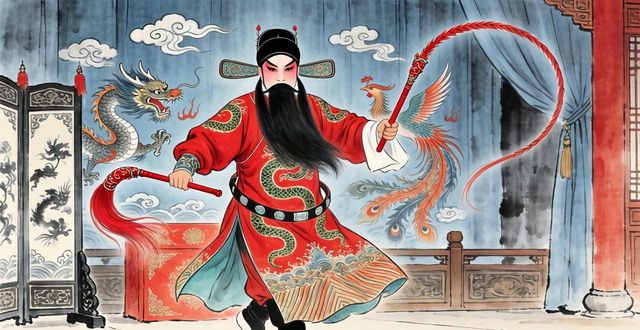
Have you ever watched a Beijing Opera performance and felt both fascinated and confused? You are not alone. As one of China’s most treasured art forms, Beijing Opera combines singing,dancing, acrobatics, and elaborate costumes into a spectacular theatrical experience. For first-time viewers, understanding its unique language can open the door to a world of powerful emotions and ancient stories. Let me walk you through the key elements that make this art so special and show you how to truly enjoy a live show.
What makes Beijing Opera so different from Western theater

Unlike Western plays that aim for realistic sets and natural dialogue, Beijing Opera relies on symbolism and stylized actions. A performer walking in a circle represents a long journey, and a whip in hand means riding a horse. The stage has almost no props, so every gesture and movement carries meaning. This abstract style requires the audience to use imagination, much like reading poetry rather than a news report. Once you understand this basic rule, the performance transforms from confusing to brilliant.
How to recognize the four main roles on stage
Every character in Beijing Opera belongs to one of four role types: Sheng, Dan, Jing, and Chou. Sheng are male heroes, often young and handsome, painted with simple makeup. Dan are female characters, ranging from gentle maidens to fierce warriors. Jing are the painted-face roles, usually powerful generals or villains, with colorful patterns telling their personality. Chou are clowns, easy to spot by the white patch on their nose, providing comic relief and wisdom. Learning these four categories helps you follow the story even without understanding the sung dialogue.
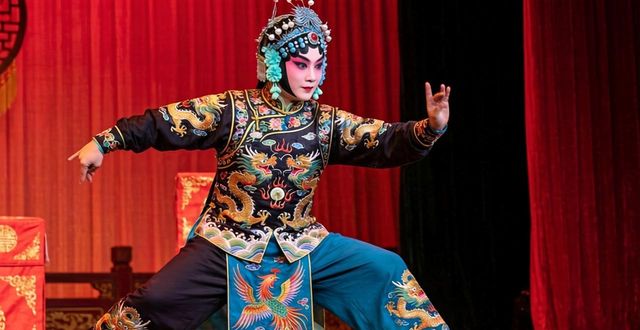
Why the costumes and makeup tell you everything you need
Look closely at the costume colors and facial patterns before a single note is sung. Red makeup on a Jing role means loyalty and courage, while white suggests cunning and treachery. A general wearing flags on his back signals he leads an army, and a long pheasant feather headdress marks a non-Han Chinese warrior. The costumes are incredibly heavy and hot, yet performers move with amazing agility. Each embroidered dragon or phoenix has a specific meaning, so the more you study the visuals, the deeper your enjoyment becomes.
Where to find the best Beijing Opera performances in China
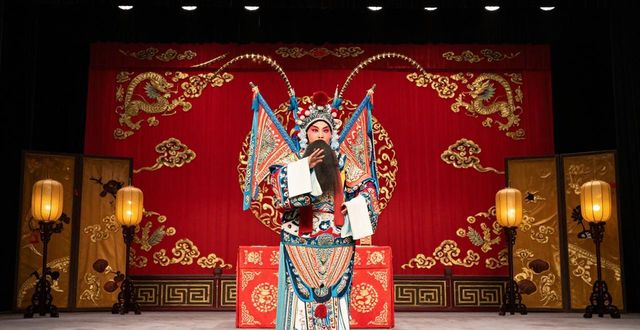
For an authentic experience, head to Beijing’s Liyuan Theatre or Huguang Guild Hall, where masters perform nightly. Shanghai’s Tianchan Yifu Theatre offers excellent shows with English subtitles. If you cannot travel, many top troupes now stream performances online. Avoid tourist traps that offer shortened, dumbed-down shows. Instead, look for full-length performances lasting two to three hours, because that is how the art truly breathes. Check local listings for Peking Opera companies touring internationally—you might catch a show in your own city.
Now I would love to hear from you: After learning these basics, which part of a Beijing Opera performance excites you the most—the vibrant face paintings, the incredible acrobatic fights, or the haunting melodies of the fiddles and drums? Share your thoughts in the comments, and do not forget to like and pass this guide along to fellow culture lovers.