
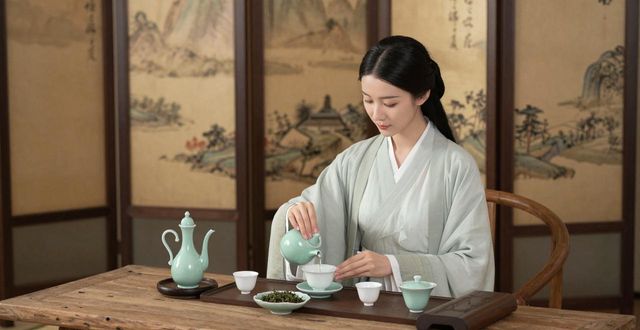
A tea ceremony is far more than just drinking tea—it is a meditative practice, a cultural treasure,and a deeply personal experience. Whether you attend a traditional Japanese chanoyu or a Chinese gongfu cha ceremony, this ancient ritual invites you to slow down, awaken your senses, and connect with the present moment. In this article, I will guide you through what makes a tea ceremony experience so unique, from the philosophy behind it to practical tips for first-timers.
What makes tea ceremony different from regular tea drinking
The most striking difference lies in intention. When you casually brew a teabag, your mind is often elsewhere—checking emails or rushing through breakfast. A tea ceremony, however, demands your full attention. Every movement, from wiping the bowl to whisking the matcha, is performed with deliberate grace. The host spends years mastering these gestures, not for show, but to create a space of harmony and respect. As a guest, you are invited to observe the silence, admire the seasonal decorations, and savor each sip without distraction. This shift from automatic to mindful drinking transforms a simple beverage into a spiritual exercise.

Many first-time participants are surprised by how strict the etiquette can be. For example, you must rotate the tea bowl before drinking to avoid sipping from its front, which is considered the “face” of the vessel. You also need to wipe the rim with your fingers after each sip—a gesture that feels awkward at first but soon becomes second nature. These rules are not meant to intimidate you; they are designed to cultivate awareness and gratitude toward the craftsman who made the bowl, the farmer who grew the leaves, and the host who prepared the tea.
How to prepare for your first tea ceremony experience
Before stepping into the tea room, do a little homework on the specific tradition you will encounter. Japanese tea ceremonies often use matcha, a powdered green tea, while Chinese ceremonies typically involve loose-leaf oolong or pu’er brewed multiple times in small clay pots. Wear comfortable clothing that allows you to kneel or sit cross-legged for extended periods—tight jeans or short skirts are not ideal. Avoid wearing strong perfumes or scented lotions, as they interfere with the delicate aroma of the tea. Arrive with an open mind and empty stomach; a light meal beforehand is fine, but heavy spices will dull your palate.
Most importantly, leave your phone in your bag or coat pocket. Taking photos during the ceremony is usually forbidden, not because of secrecy, but because the camera lens creates a barrier between you and the moment. The host has spent hours arranging the flowers, cleaning the garden path, and heating the water just for this small gathering. Your only job is to be fully present. If you are nervous about making mistakes, remember that even seasoned practitioners continue to learn. The host will guide you gently, and any slip—like bowing at the wrong time—is simply part of the experience.
Why tea ceremony can reduce stress and improve focus
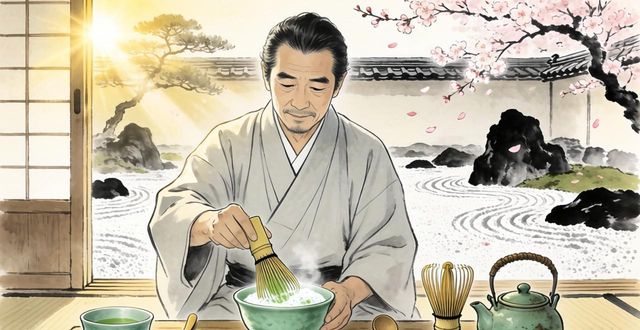
Modern life bombards us with notifications, deadlines, and endless choices. The tea ceremony offers a radical alternative: a structured, repetitive ritual that anchors your mind in the here and now. Neuroscientists have found that deliberate, slow movements combined with focused breathing lower cortisol levels and activate the parasympathetic nervous system—the body’s natural relaxation response. During a ceremony, you are not allowed to multitask or hurry. You watch the host’s hands, listen to the sound of boiling water, and feel the warmth of the bowl against your palms. This sensory immersion effectively breaks the cycle of anxious thoughts.
Many regular attendees report that the benefits extend far beyond the tea room. After practicing tea ceremony for a few months, they find themselves more patient in traffic, less reactive during arguments, and better able to enjoy a single task without checking their phones. The ceremony teaches a simple but profound lesson: happiness is not in the next notification or purchase, but in this exact moment, with this cup of tea. Some corporations in Japan and South Korea have even started offering tea ceremony workshops for employees as a form of mindfulness training, with measurable improvements in workplace focus and emotional regulation.
Common mistakes first-timers make and how to avoid them
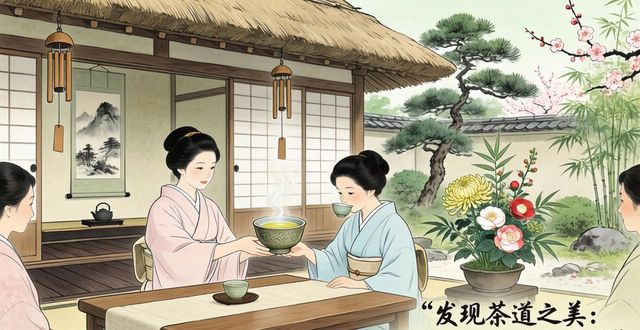
One frequent mistake is drinking the tea too quickly. In a ceremony, the bowl is often passed among guests, and each person takes two or three sips before returning it. Gulping down the entire bowl in one go not only breaks etiquette but also prevents you from tasting the tea’s evolving flavor. Another error is chatting idly about unrelated topics. While some ceremonies allow quiet conversation, traditional settings value silence or remarks directly tied to the tea—such as complimenting the bowl’s glaze or the seasonality of the sweets. Avoid asking personal questions or making loud jokes.
A less obvious mistake is touching the tea utensils without permission. The ladle, whisk, and tea container are often antique or handmade treasures worth hundreds of dollars. Even pointing at them can be seen as rude. If you are curious about a tool, wait until the end of the ceremony when the host may invite questions. Finally, do not be late. Arriving even five minutes after the start disrupts the carefully calibrated rhythm; many tea masters will not allow latecomers to enter at all. Set multiple alarms and plan to arrive ten minutes early to calm your nerves.
Have you ever participated in a tea ceremony, or would you like to try one? Share your thoughts or questions in the comments below—and if you found this guide helpful, please like and share it with a friend who needs more peace in their daily routine.