
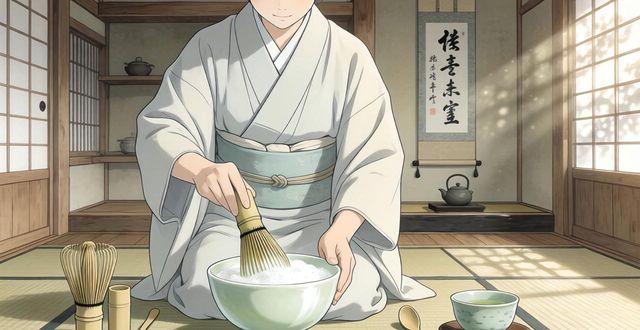
When people hear “tea ceremony,” many immediately think of Japan’s graceful matcha ritual. But in reality, tea ceremonies have evolved across cultures, each with unique philosophies, steps, and utensils. Understanding these different tea ceremony types not only deepens your appreciation of tea but also reveals how diverse traditions celebrate mindfulness, hospitality, and connection. Whether you are a tea lover, a traveler, or simply curious, this guide will walk you through the most prominent tea ceremony types practiced today.
What defines Japanese tea ceremony

Japanese tea ceremony, known as Chanoyu or Sado, is perhaps the most famous tea ceremony type. Centered around matcha (powdered green tea), it follows strict choreographed movements – from cleaning utensils to whisking tea. Every gesture has meaning, reflecting Zen Buddhist principles of harmony (wa), respect (kei), purity (sei), and tranquility (jaku). A full formal ceremony can last up to four hours, including a kaiseki meal and two servings of tea. Unlike casual tea drinking, participants enter a dedicated tea house through a small door, symbolizing equality. Mastering this art takes years, with different schools like Urasenke and Omotesenke offering their own interpretations.
How does Chinese gongfu cha differ
Chinese gongfu cha, literally “making tea with skill,” is another major tea ceremony type but focuses on extracting the best flavor from oolong, pu-erh, or black tea using small clay teapots or gaiwans. The process is less rigid than Japanese ceremony but still highly ritualized: warming the pot, rinsing leaves, and pouring water over the pot to control temperature. Short, repeated infusions (often 6–10 times) allow drinkers to experience how the tea’s taste evolves. Gongfu cha emphasizes the tea itself – its aroma, color, and taste – rather than spiritual meditation. Originating in Fujian and Chaozhou, this style is popular among Chinese tea connoisseurs and has spread globally. Unlike Japanese ceremony where the host does everything,gongfu cha often involves guests smelling leaves and appreciating cups.
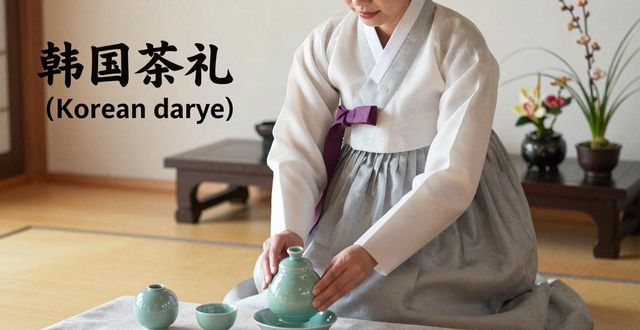
What makes Korean darye unique
Korean tea ceremony, or darye, translates to “etiquette for tea” and blends Buddhist, Confucian, and shamanic influences. Compared to other tea ceremony types, darye is simpler and more natural, often held outdoors in a pavilion or garden. Green tea is typically used, but unlike matcha, it is steeped loose. The ceremony’s core is “mindfulness without excess” – there are no complex hand movements or expensive utensils. Instead, the host pours tea with both hands, and guests receive cups with both hands, showing mutual respect. Darye encourages conversation and harmony with nature. A unique feature is the “first cup for the spirit” – a small offering to ancestors or nature spirits before serving guests. This relaxed yet respectful approach makes Korean tea ceremony accessible to beginners.
Why consider Western afternoon tea as a ceremony
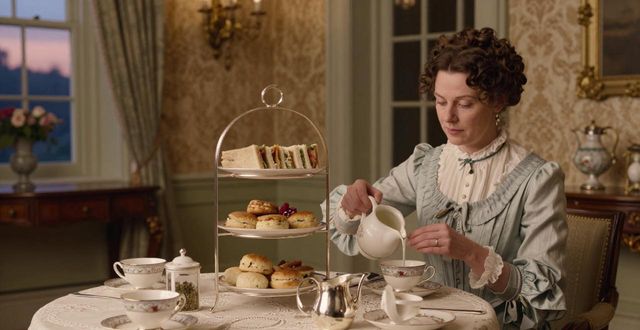
While often overlooked as a “ceremony,” British afternoon tea shares many ceremonial elements: specific time (around 4 PM), tiered stands with finger sandwiches and scones, fine china cups, and the ritual of pouring milk before or after tea. Though less spiritual than Eastern types, this tea ceremony type celebrates social bonding and elegance. Introduced by Anna, Duchess of Bedford in the 1840s, it transformed tea drinking into a structured afternoon event. Unlike Japanese or Chinese ceremonies where the host performs for guests, afternoon tea is democratic – everyone pours their own tea, adds sugar, and nibbles at their own pace. Some modern tearooms even offer “cream tea” (just scones, clotted cream, and jam) as a mini version. Recognizing afternoon tea as a ceremonial form helps Westerners appreciate their own tea traditions.
Have you ever participated in any of these tea ceremony types, and which one would you most like to experience in person? Share your thoughts in the comments below – and if you found this guide helpful, please give it a like and share it with fellow tea enthusiasts.