

Nanjing, a city with over 2,500 years of history, served as the capital of six dynasties and the early Ming Dynasty. Its ancient architecture reflects a rich blend of imperial grandeur, Buddhist serenity, and defensive ingenuity. From the imposing city walls to the solemn mausoleums and elegant temples, these structures tell stories of power, faith, and resilience. For any traveler interested in China’s cultural heritage, Nanjing offers a remarkable journey through time, where each stone and beam carries a unique historical echo.
What are the must-see ancient buildings in Nanjing

The Ming Xiaoling Mausoleum is the undisputed highlight. This UNESCO World Heritage site is the tomb of the Hongwu Emperor, founder of the Ming Dynasty. Its sacred path, lined with stone animals and officials, leads to a massive mound that has survived for over 600 years. The architecture blends natural hills with human design, creating a solemn and harmonious atmosphere. Another essential stop is the Confucius Temple (Fuzimiao) area along the Qinhuai River. While the current buildings are largely reconstructions, the layout and style faithfully recreate the Ming and Qing dynasty market and temple complex, showing how commerce and culture intertwined.
How did Ming Dynasty architecture shape Nanjing
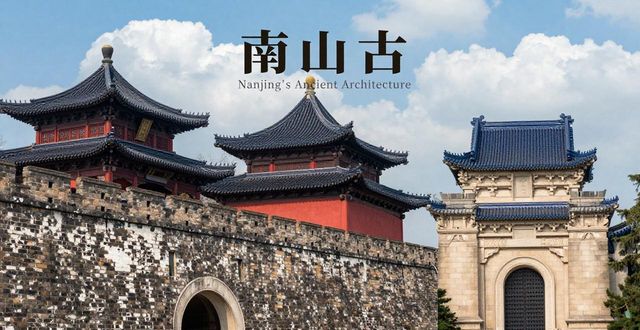
The Ming Dynasty left an unparalleled mark on Nanjing’s skyline. The Ming City Wall, originally over 35 kilometers long, is the world’s longest city wall built with strict brick quality control. Each brick bears inscriptions of its origin and supervisor, ensuring accountability. The wall’s design incorporates natural terrain like mountains and lakes, making it a masterpiece of defensive engineering. The Gate of China (Zhonghua Men) is a fortress within a fortress, with three closed courtyards and twenty-seven藏兵洞 (soldier hideouts) that could hold thousands of troops. These structures exemplify Ming principles of practicality and grandeur, influencing later dynasties and even modern urban planning.
Why is Nanjing’s architecture unique compared to other ancient Chinese cities
Unlike Beijing’s perfectly symmetrical Forbidden City, Nanjing’s ancient architecture adapts to its mountainous and riverine landscape. The city’s southern and northern axes are less rigid, allowing buildings to follow the contours of Purple Mountain and Xuanwu Lake. The Linggu Temple, with its Beamless Hall built entirely of brick arches without a single wooden pillar, showcases a rare structural technique that blends Buddhist worship with advanced masonry. Moreover,the Drum Tower (Gulou) and Great Bell Pavilion (Dazhong Ting) demonstrate how Ming architects combined timekeeping, fire lookout, and ceremonial functions into visually striking towers. This flexibility and innovation make Nanjing a laboratory of ancient Chinese architectural experimentation.
Where to experience the best-preserved ancient architecture today
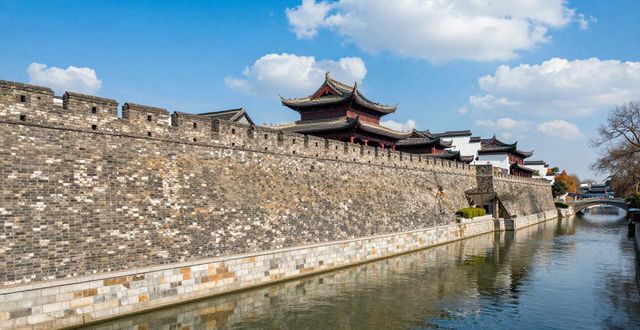
For an immersive experience, start at the Nanjing Museum’s exhibition on ancient architecture, which explains construction methods and restoration efforts. Then walk the recently restored section of the Ming City Wall from Taiping Gate to Guanghua Gate. You’ll see original bricks with inscriptions and enjoy panoramic views. The Chaotian Palace, built as an imperial ancestral temple in the Ming Dynasty and later a Confucian school, now houses the Nanjing Municipal Museum. Its halls, courtyards, and carved stone balustrades remain largely authentic. Finally, visit the Qixia Temple, founded in the Southern Qi Dynasty but rebuilt many times. The Thousand-Buddha Cliff next to it contains over 500 stone carvings from the Tang to Ming periods, integrating Buddhist sculpture with natural rock.
What hidden detail in Nanjing’s ancient architecture—like a brick inscription or a carved lotus—has caught your eye, and how would you share that discovery with fellow travelers? Please leave your thoughts in the comments, and don’t forget to like and share this guide if it helps you plan your visit.