
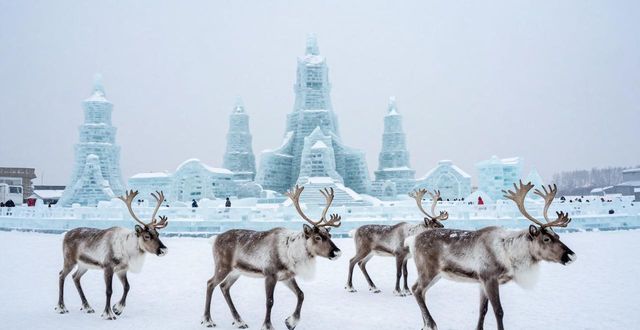
When people think of Harbin, they often picture the world-famous Ice and Snow Festival, with its dazzling sculptures and freezing temperatures. However, beyond the man‑made wonders lies a quieter, equally magical world: the city’s winter wildlife. From the banks of the frozen Songhua River to the forests of the surrounding nature reserves, Harbin offers a unique chance to see how animals survive and thrive in one of China’s coldest climates. In this article, I’ll share what you can expect from a winter wildlife viewing trip in Harbin, and why this experience is a must for any nature lover visiting northern China.
What animals can you see in Harbin in winter
Harbin’s winter landscape is home to several hardy species. Siberian tigers are the star attraction – the Siberian Tiger Park, just outside the city, houses over 500 of these magnificent predators. In winter, their thick fur and powerful build are on full display as they roam snowy enclosures. You’ll also spot red‑crowned cranes at the Zhalong Nature Reserve (a few hours away), their white feathers contrasting sharply with the grey sky. On the Songhua River, keep an eye out for wild ducks and the occasional snowy owl. Even common species like the Eurasian red squirrel become charming subjects as they dig through snow for hidden nuts.

Where is the best place for winter wildlife viewing
For most visitors, the Siberian Tiger Park is the top choice. It’s easily reached by taxi or bus from central Harbin, and the winter season (December to February) is actually the best time to see the tigers active – they love the cold. For a more natural setting, head to the Sun Island Scenic Area, where you can walk along forested paths and spot smaller mammals and birds. If you have a full day, consider a trip to the Yabuli area, where the mixed forests host roe deer and wild boar. Organised tours from Harbin city center can take you to these spots, but many are also accessible by public transport or a rental car with a local driver.
When should you go to see the most wildlife
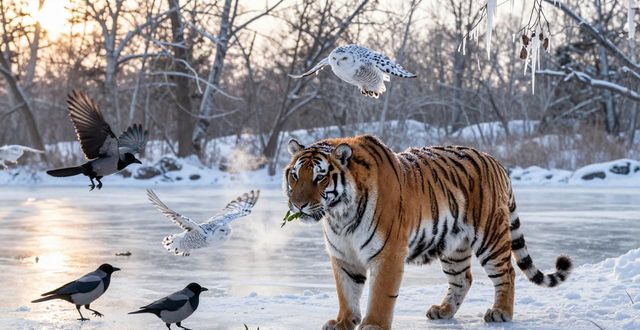
The optimal window is from mid‑December to late January. During this period, temperatures are consistently below freezing, which forces animals to be more active in search of food. Early morning (around 7–9 AM) is prime time – this is when tigers are often fed at the park, and when birds are most vocal. Avoid midday if possible; even in winter, many mammals rest during the warmest hours. Also, check the local lunar calendar – around the Spring Festival (late January or February), crowds increase, and some reserves may alter feeding schedules. A weekday visit in early January usually offers the best combination of animal activity and fewer tourists.
What should you wear and bring for the trip
Dressing properly is not just about comfort – it can save your life. Harbin’s winter temperatures often drop to -30°C (-22°F). Wear a three‑layer system: a moisture‑wicking base layer, a thick fleece or wool mid‑layer, and a windproof, insulated outer jacket. Do not forget insulated waterproof boots, two pairs of socks (one thin, one thick), a balaclava or face mask, and mittens (warmer than gloves). For gear, bring binoculars (8×42 or similar),a camera with extra batteries (cold drains them fast), and hand warmers. Also, pack a small thermos with hot tea or broth – it’s a lifesaver during long waits in the cold.
How to respect the animals and stay safe
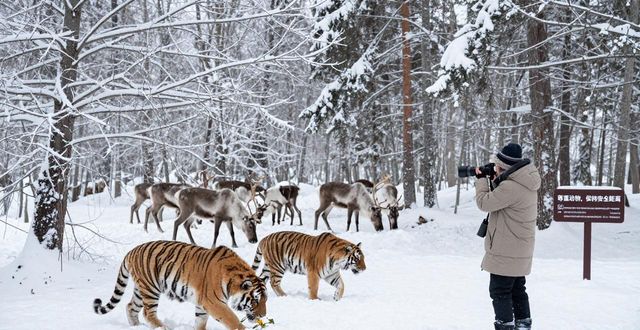
Always keep a safe distance – even captive tigers at the park are wild animals. Do not feed any wildlife, as human food can make them sick or change their natural behaviour. Stay on marked paths and obey all signs; snow can hide thin ice or sudden drops. If you’re driving yourself, watch out for animals crossing rural roads, especially at dusk. Finally, hire a local guide if you plan to explore remote areas – they know the terrain and the animal patterns. Remember, a good wildlife viewer leaves no trace and takes only photos.
Have you ever watched a Siberian tiger pace through fresh snow, or spotted a red‑crowned crane against a white horizon? If you’ve been to Harbin in winter – or if you’re planning a trip – share your own wildlife moments in the comments below. And if this guide helped you, give it a like and share it with your travel buddies. Let’s make sure more people discover the frozen, living heart of Harbin.