
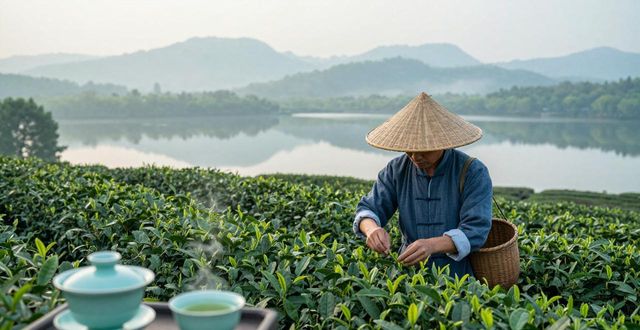
Hangzhou, the capital of Zhejiang Province, is not just famous for its West Lake but also for its deep-rooted tea culture. As the home of Longjing tea (Dragon Well tea), Hangzhou offers a unique blend of history, craftsmanship, and daily rituals that revolve around tea. For foreigners visiting China, understanding this culture opens a window into the Chinese way of life, where tea is more than a drink—it’s an art, a philosophy,and a social bond.
What makes Longjing tea special
Longjing tea owes its fame to the unique terroir of Hangzhou’s hills, especially around Lion Peak, Meijiawu, and Longjing Village. The tea plants grow in misty, well-drained soil with a mild climate, giving the leaves a flat, smooth shape and a distinct chestnut-like aroma. Harvested mainly before the Qingming Festival in early April, the first-picked leaves are tender and rich in amino acids, producing a clear jade-green liquor with a sweet, lingering aftertaste. This “pre-Qingming” tea is highly prized and can cost hundreds of dollars per kilogram.

Unlike mass-produced teas, authentic Longjing is still hand-pan-fried in iron woks—a skill passed down for generations. The tea master’s wrist movements control the temperature and pressure, stopping oxidation while releasing the leaf’s natural fragrance. This labor-intensive process takes about 30 minutes per batch and requires years of practice. When you watch a master at work, you’ll notice how they press, shake, and toss the leaves until they become dry and glossy. That personal touch is why no two batches of Longjing taste exactly the same.
Where to experience tea culture in Hangzhou
For a genuine tea experience, start at the China National Tea Museum, located in the hills south of West Lake. It’s the only national-level tea museum in China, with indoor exhibits on tea history and outdoor tea gardens where you can see ancient tea trees. Many visitors miss the free tea-tasting sessions held in the museum’s traditional courtyard—don’t make that mistake. You can also join a short class on tea leaf grading, learning to identify the best buds by their size and color.
For a more immersive day, head to Meijiawu Tea Village. This picturesque valley is filled with family-run tea houses that welcome tourists. You can walk through the terraced fields, watch farmers pick leaves, and then sit down for a tea ceremony. The locals will brew Longjing in a glass cup—not a tiny teapot—so you can watch the leaves dance and sink slowly. They often serve it with sunflower seeds or osmanthus cakes. Remember to hold the cup with both hands when receiving tea, and gently tap the table with two fingers to say “thank you” in the local custom.
How to brew Longjing tea like a local
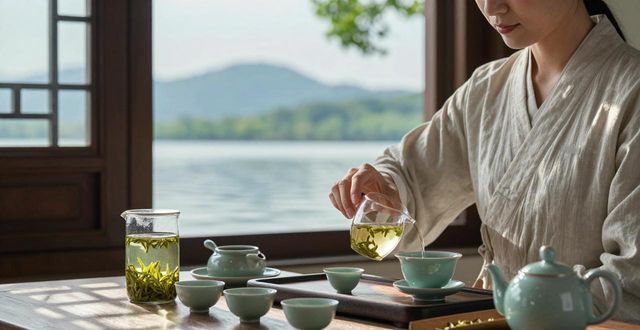
Brewing Longjing is surprisingly simple if you follow a few rules. First, never use boiling water—it will scorch the tender leaves and create a bitter, stewed taste. The ideal temperature is between 75°C and 80°C (170°F to 175°F). Pour hot water into a tall glass or a porcelain gaiwan first, then add about 3 grams of tea leaves per 150ml of water. Watch the leaves slowly hydrate and sink; a good Longjing will fully settle within three minutes.
Second, don’t cover the vessel while steeping. Unlike black tea, green tea needs oxygen to develop its fresh aroma. After pouring, let it sit for 60 to 90 seconds, then take a sip. The first infusion should be light and floral. You can re-steep the same leaves three to four times, each time adding 15 seconds. Locals rarely add sugar or milk to Longjing—it’s considered a crime against its delicate flavor. If you want a snack, pair it with light pastries or fresh fruits, never spicy or oily foods.
Why tea ceremony matters in Hangzhou life
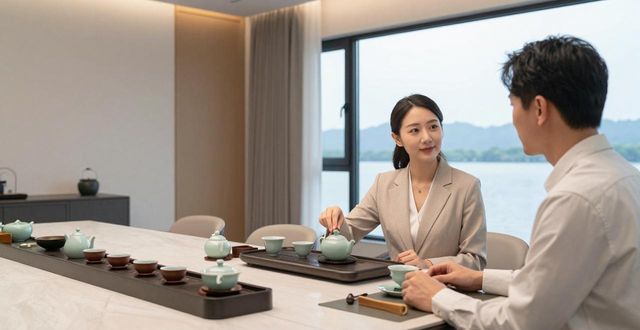
In Hangzhou, tea is the glue of daily social life. Business meetings often start with a round of tea, not coffee. Friends catching up at a lakeside tea house might spend an entire afternoon slowly refilling their cups. The famous “West Lake Tea Party” tradition dates back to the Southern Song Dynasty, when scholars would gather on boats to sip tea and compose poetry. Today, you can still rent a small boat on West Lake and have a tea set brought to you—a peaceful way to understand why Hangzhou people call tea “the taste of home.”
Tea also plays a role in festivals and family events. During the Dragon Boat Festival, locals make “tea eggs” by simmering hard-boiled eggs in a mixture of tea, soy sauce, and spices. At weddings, the bride and groom serve sweet tea to their parents as a sign of respect. Even in modern Hangzhou’s bustling tech districts, you’ll find young professionals carrying thermoses of Longjing. This continuity shows that tea culture isn’t a museum piece—it’s alive, evolving, and welcoming to anyone who wants to learn.
Have you ever tried Longjing tea outside of China, or are you planning a trip to Hangzhou? Share your thoughts or questions in the comments below—and if you found this guide useful, give it a like and share it with fellow tea lovers!