
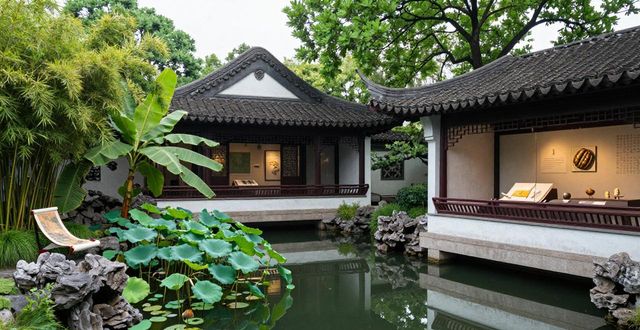
Hangzhou, a city famed for its West Lake and tea culture, also holds a treasure trove of museums that tell stories of silk, porcelain, and imperial history. For foreign visitors, these museums offer a quiet yet profound way to understand China beyond the postcard views. From ancient artifacts to interactive exhibits, Hangzhou’s museums are well-curated,English-friendly, and surprisingly uncrowded. Whether you have a few hours or a full day, this guide will help you navigate the best ones and make the most of your cultural journey.
Why Hangzhou museums are a hidden gem for culture lovers

Unlike the massive, exhausting museums in mega-cities, Hangzhou’s museums are compact, focused, and beautifully integrated with gardens and water features. The China National Silk Museum, for example, sits inside a lush botanical setting and lets you trace 5,000 years of silk production—from silkworm farming to the vibrant robes of emperors. You can even see live silkworms spinning cocoons during spring. Another gem is the Southern Song Imperial Street Museum, built right above the original street level, showing real hoof marks and shop foundations from the 12th century. These places rarely appear on standard tour itineraries, which means you get a more authentic, unhurried experience. Many also offer free admission and free lockers, making them perfect for independent travelers.
Which Hangzhou museums should you not miss
If you have only one day, prioritize the Hangzhou Museum and the China National Tea Museum. The Hangzhou Museum sits at the foot of Wushan Hill and covers the city’s evolution from the Neolithic Liangzhu culture to the Qing dynasty. Its jade cong and bronze mirrors are world-class, and the English labels are surprisingly clear. The Tea Museum, located in the scenic Longjing tea fields, is a series of pavilions connected by bamboo paths. You’ll learn how tea was discovered, traded along the Silk Road, and used in Zen rituals. For families, the Zhejiang Natural History Museum (Hangzhou branch) has a massive whale skeleton and an interactive dinosaur zone. For art lovers, the Zhejiang Art Museum features rotating exhibits of traditional ink paintings and contemporary calligraphy. Avoid the Monday closure common to most museums, and check if you need a reservation—most now accept walk-ins but limit crowd size.
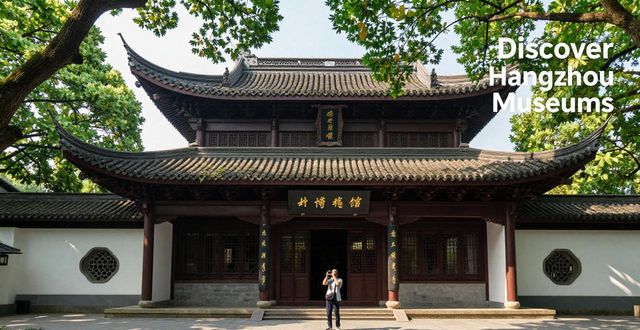
How to plan your museum hopping in Hangzhou
Start your day early at the China National Silk Museum, which opens at 9 AM and is less crowded before 10. From there, take a 15-minute Didi or taxi to the Southern Song Imperial Street Museum—it’s small but powerful, and you can combine it with a stroll along Hefang Street for local snacks. After lunch, head to the Hangzhou Museum (about 20 minutes by bus) and spend two hours. If you still have energy, the Tea Museum is a 25-minute drive away but worth it for the sunset over the terraced fields. Buy a 24-hour metro pass (only 15 RMB) or use Alipay’s public transport code. Most museums have free Wi-Fi and clean restrooms, but bring your own water and a portable charger—you’ll be taking many photos. Also, download a translation app like Google Translate for the few exhibits that only have Chinese labels; staff in major museums usually speak basic English.
What practical tips do foreigners need

First, nearly all Hangzhou museums require no ticket for permanent collections, but you must register with your passport at the entrance or scan a QR code using WeChat or Alipay. If you don’t have these apps, the staff will help you fill out a paper form. Second, expect airport-style security checks; avoid carrying large backpacks or tripods. Third, the best time to visit is Tuesday to Friday, 9:30 AM to 3:30 PM, when local school groups are not present. Fourth, learn a few useful phrases like “cèsuǒ zài nǎlǐ?” (where is the bathroom?) because signs are not always bilingual outside the main halls. Finally, after museum hours, explore the surrounding areas—the Silk Museum is near West Lake’s south entrance, and the Tea Museum lets you join a tea-tasting session for 50 RMB. Many museums also have gift shops selling affordable reproductions of artifacts, far cheaper than antique markets.
What’s your favorite type of museum—ancient history, natural science, or traditional crafts—and have you ever visited a museum that completely changed your perspective on a culture? Share your thoughts or questions in the comments, and don’t forget to like and share this guide with fellow travelers!