

Over recent years, China’s expanded visa-free policy for business travelers has revolutionized the way global professionals arrange their short work visits. Previously, securing a formal business visa required weeks of document prep, appointment booking, and embassy waits that often disrupted tight project schedules. For solo entrepreneurs, small team representatives, and frequent industry meeting attendees, this new visa-free framework eliminates much of this administrative hassle, letting travelers allocate more time to on-ground coordination, client catch-ups, and market exploration rather than paperwork.
Who qualifies for China visa free for business

As of latest policy updates, nationals of 60 eligible designated countries can enjoy visa-free entry when traveling to China for legitimate short business engagements that fall within the allowed duration. These engagements include signing preliminary cooperation MOUs,checking localized production lines, attending authorized industry trade fairs, holding one-off commercial negotiation sessions, or conducting rapid site surveys for upcoming investment layouts. The core eligibility rule requires travelers carry a valid passport with minimum 3 months remaining validity beyond their planned departure day, and hold confirmed onward tickets that exit China within the stated permitted stay window of up to 15 days for most business-focused short visits. It is critical to confirm your home country is listed on the latest official eligible country roster at least 2 weeks before booking your international flight, lists which get adjusted occasionally to align with updated mutual visa facilitation agreements between China and other economies.
What activities count for visa exemption business trips

Allowed visa-free business activities are tightly restricted to non-obvious-remuneration, short-term work engagements that do not formalize full local employment in Chinese territory. Examples of fully permitted actions include joining established international industry exchange forums held in tier 1 or new tier 2 Chinese cities, visiting your long-term partner supplier’s operational sites to do routine order quality audits, and participating in short pre-scheduled business matchmaking conferences arranged by official trade promotion bureaus. Activities that explicitly disqualify you from using the visa-free route include signing formal paid long-term labor contracts, engaging in independent paid commercial consulting services for local Chinese clients without proper work authorization, or extending on-ground business operations that demand a stay far beyond the maximum 15-day exemption window you will have approved at port of entry. Even casual informal product sampling for market investigation has been confirmed as eligible as long as it will not generate immediate on-ground revenue for you during the brief permitted stay.
What prep you need before arrival
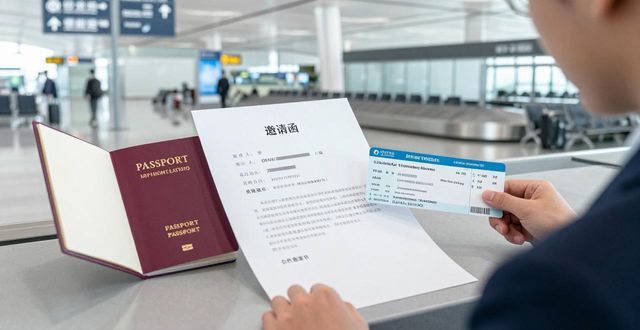
First, prepare your full valid passport, printed confirmed return flight tickets dated within 15 days of your planned entry, and detailed business visit related materials to share with customs officers on arrival. These materials might consist of simple invitation letters from your Chinese contact persons, event admission badges for the upcoming fair you plan to attend, or a concise written daily itinerary in English or simplified Chinese that lists each business meeting location and attendee name. Save soft copies of all these documents in your personal cloud storage for quick recovery if paper copies get lost along the journey, and make sure you do not list any personal leisure trips that outlast your exemption window. Border inspection agents occasionally ask to confirm the exact purpose of your business attendance, so keep your statements direct and factual to avoid unnecessary pausing during entry processing.
As cross-border business collaboration regains full momentum across many industrial sectors right now, this visa-free policy drastically cuts down entry setup friction for all qualified travelers looking to get a first unobstructed look at China’s domestic consumer and B2B markets. Have you tried traveling on this new visa-free framework for your recent China business visits? Share your experiences and lessons if you already have, feel free to comment below, like and forward this guide to your work contacts who are arranging imminent China business trips soon.