
Chinese calligraphy is more than just writing—it is an art form that requires the right tools. Among the “Four Treasures of the Study,” the brush (or bi) is the most essential. Without a proper brush, even a skilled hand cannot produce the flowing lines and expressive strokes that define this ancient practice. In this guide, I will walk you through the key aspects of Chinese calligraphy brushes, helping you make informed choices and avoid common beginner mistakes.
Why the brush hair type matters
The hair of a Chinese calligraphy brush determines how it holds ink and moves on paper. Generally, brushes fall into three categories: soft hair (like goat), hard hair (like weasel), and mixed hair (a blend of both). Soft hair brushes absorb a lot of ink and produce gentle, rounded strokes, making them ideal for cursive or running scripts. Hard hair brushes offer more spring and control, perfect for regular script or detailed work. Mixed hair balances softness and resilience, giving you versatility. Beginners often start with a mixed-hair brush because it forgives small errors while still teaching proper technique.
Which brush size should you start with
Many new students mistakenly buy a large brush, thinking bigger is better. But for daily practice, a medium-sized brush (tip length around 3 to 4 centimeters) is the wisest choice. A brush that is too large makes fine control difficult and wastes ink and paper. A tiny brush, on the other hand, forces you to be overly meticulous before you have built basic muscle memory. A medium brush works well on standard practice paper (about 9×9 cm grid squares) and allows you to practice basic strokes like horizontal, vertical,dot, and hook without frustration. Once you master the fundamentals, you can add larger or smaller brushes to your collection.

How to care for your brushes properly
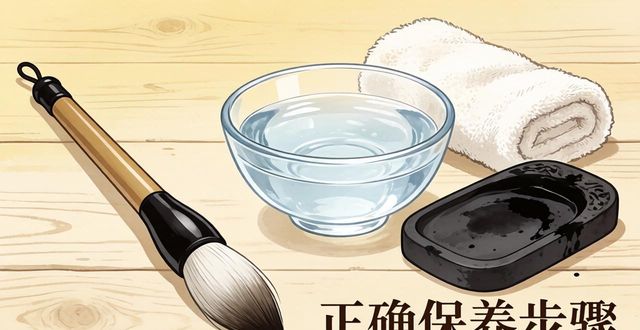
Poor brush care is the number one reason calligraphy tools fail early. After each session, rinse the brush gently in lukewarm water until the water runs clear. Never use hot water or soap, as they damage natural hair. Never leave the brush standing in water with the tip down—this bends the hairs permanently. Instead, squeeze out excess water gently, shape the tip back to a point, and hang the brush upside down to dry. For storage, keep brushes in a dry place away from direct sunlight. A well-cared brush can last for years, while a neglected one may split or lose its point after just a few weeks.
Where to find authentic brushes
Avoid cheap synthetic brushes sold as souvenirs. Genuine Chinese calligraphy brushes use animal hair and have a straight, well-bound handle. Look for reputable online stores that serve calligraphy students, or visit a local art supply shop that specializes in Asian materials. When possible, test the brush by dipping it in water and trying a stroke on paper. A good brush should spring back to a point immediately and release water evenly. Price is an indicator: a decent beginner brush costs around $10–$20. Avoid anything under $5, as it is likely poor quality. Remember, investing in quality tools makes learning more enjoyable and effective.
What is the biggest challenge you have faced when using a Chinese calligraphy brush? Share your experience in the comments below, and don’t forget to like and share this article with fellow art lovers.