
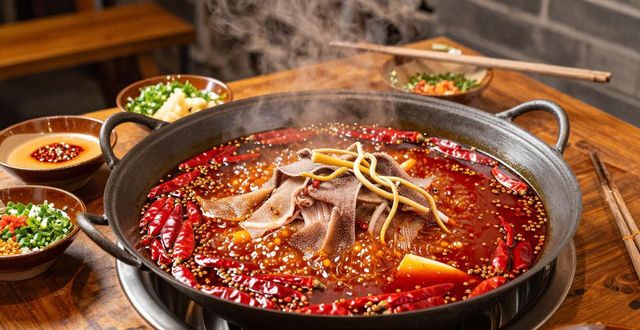
Chongqing hot pot is more than just a meal – it’s a fiery social ritual that defines the city’s food culture. Known for its numbing spice, bubbling red oil, and communal dining style, this dish can be intimidating for first-timers. But once you learn the basics, you’ll understand why locals crave it even in summer. This guide walks you through everything from choosing the right broth to mastering dipping etiquette, so you can enjoy an authentic experience without burning your taste buds off.
The Unique Spicy Broth

What makes Chongqing hot pot different from other Chinese hot pots is the heavy use of beef tallow and a mountain of dried chilies and Sichuan peppercorns. The broth is not just spicy – it delivers a tingling, numb sensation called “ma” that dances on your tongue. Unlike milder versions from other regions, the Chongqing broth is often so thick and oily that it clings to every ingredient. Do not expect to drink it as soup; its purpose is to cook and flavor your food. Many restaurants offer a split pot with a milder broth on one side, but going full spicy is the true local way if you can handle it.
Essential Ingredients to Try
Ordering can be overwhelming with dozens of choices, so start with the classics. Beef tripe (maodu) is the number one favorite – dip it in for exactly 15 seconds until it curls slightly, then eat it for that perfect crunch. Duck intestine (yachang) needs about 30 seconds and delivers a silky yet springy texture. For meat lovers, thinly sliced beef or lamb cooks in 20 seconds. Don’t skip the blood curds (xuewang) or the crispy pork sausage. Vegetables like water spinach and lotus root soak up broth wonderfully, but add them later to avoid absorbing too much oil. A rule of thumb: ingredients that float cook fast; those that sink need more time.
Dipping Sauce Secrets
Forget complicated sauces with sesame paste or satay – Chongqing style keeps it simple. The standard dip is “youdie”: a small bowl of sesame or canola oil mixed with minced garlic, chopped cilantro, and a pinch of salt. The oil cools down the fiery food while coating it with aromatics. If you love extra heat, ask for a dry rub of chili powder, ground Sichuan peppercorns, and crushed peanuts. Never add vinegar or soy sauce to the oil dip – locals would frown. A pro tip: add a spoonful of the spicy broth into your dip to blend flavors. And always prepare your dip before the pot arrives,because once the cooking starts, you won’t want to pause.
Dining Etiquette and Tips
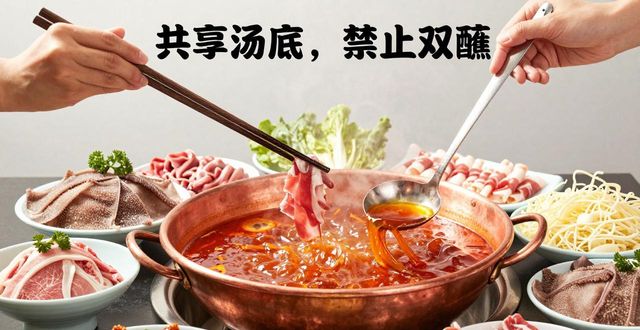
Sharing a bubbling cauldron comes with unwritten rules. First, use the public ladle or your chopsticks’ opposite ends to transfer raw food to the pot – never double-dip your eating chopsticks into the shared broth. Second, cook ingredients in order: start with tripe and offal, then meat, then vegetables and starches. This prevents delicate items from getting lost or overcooked. When your food is ready, let it cool for a few seconds; the trapped oil can burn your mouth badly. To tame the heat, drink cold soy milk or a local beer rather than water (water spreads the capsaicin). Finally, don’t be shy – locals love seeing foreigners brave the spice, and they’ll gladly teach you their favorite dipping tricks.
Have you ever tried Chongqing hot pot, and what would be your biggest fear – the spice level, the exotic ingredients, or the communal pot? Share your story in the comments, and hit like if this guide helped you prepare for your first bite. Don’t forget to pass it along to a friend who needs a spicy adventure!