
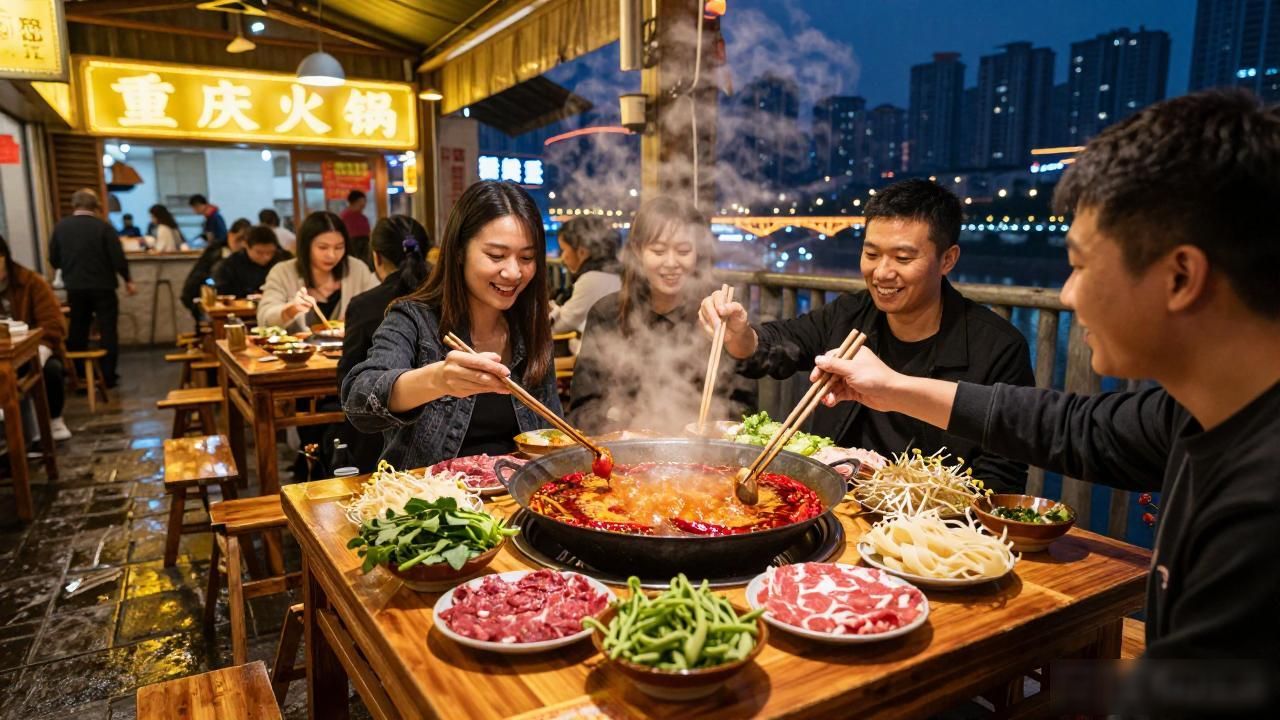
I’ve spent eight years chasing the best chili oil in this city. Chongqing hot pot after dark isn’t just dinner — it’s a ritual that pulls strangers into shared steam and laughter. The broth bubbles loudly, the air smells like Sichuan peppercorns and garlic, and everyone around you is shouting across the table about which beef cut deserves more boiling time. This guide covers what foreigners need to know before sitting down at one of these long, narrow restaurants with plastic stools and menu boards smeared with grease.
What makes Chongqing hot pot different from Chengdu

Chongqing hot pot uses beef tallow as its base,not oil. The difference matters. Beef tallow carries heat slower but holds it longer, creating a thick, velvet coating on your tongue that lingers for minutes. Chengdu versions lean toward sesame oil and feel lighter on the palate. If you’ve only tried the thinner, brighter broths elsewhere in China, Chongqing will surprise you with its depth and the slow burn that starts in your throat rather than the surface of your mouth. Local grandmothers still hand-crush dried chilies over open fires before dawn. That tradition shows up in every bowl.
How to order like someone who grew up here
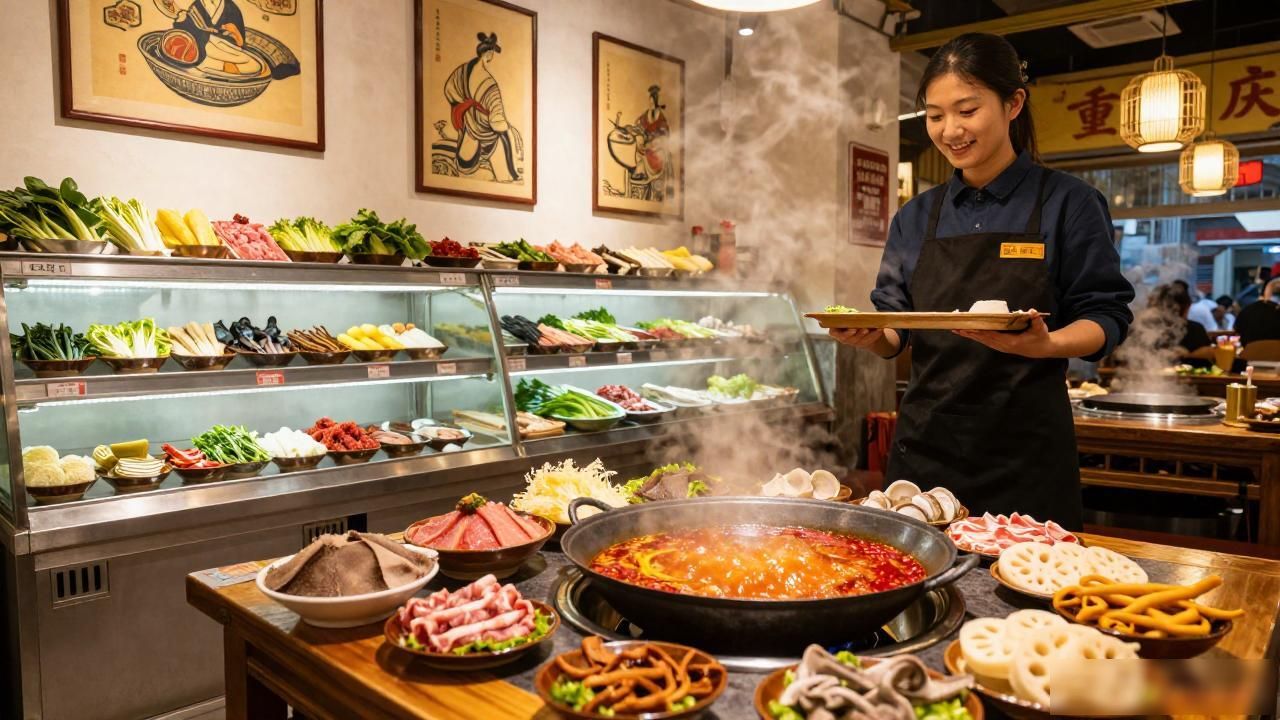
Point at pictures on the wall if you’re nervous. Most places display raw ingredients behind glass counters, and you tell the waitress which ones you want. Start with a split pot — half spicy, half mild — unless you’re certain you can handle full intensity. Order tripe, duck intestines, and lotus root before they run out. Those three sell by 9pm on weekends. Don’t skip the sesame paste dip mixed with crushed garlic and a splash of vinegar. The locals eat it this way even though the broth is already punishing. Add a cold beer or sweet soy milk to balance the heat. Leave room for fried dough sticks at the end, dipped briefly into the remaining broth.
Where to go when you want neither tourists nor lines
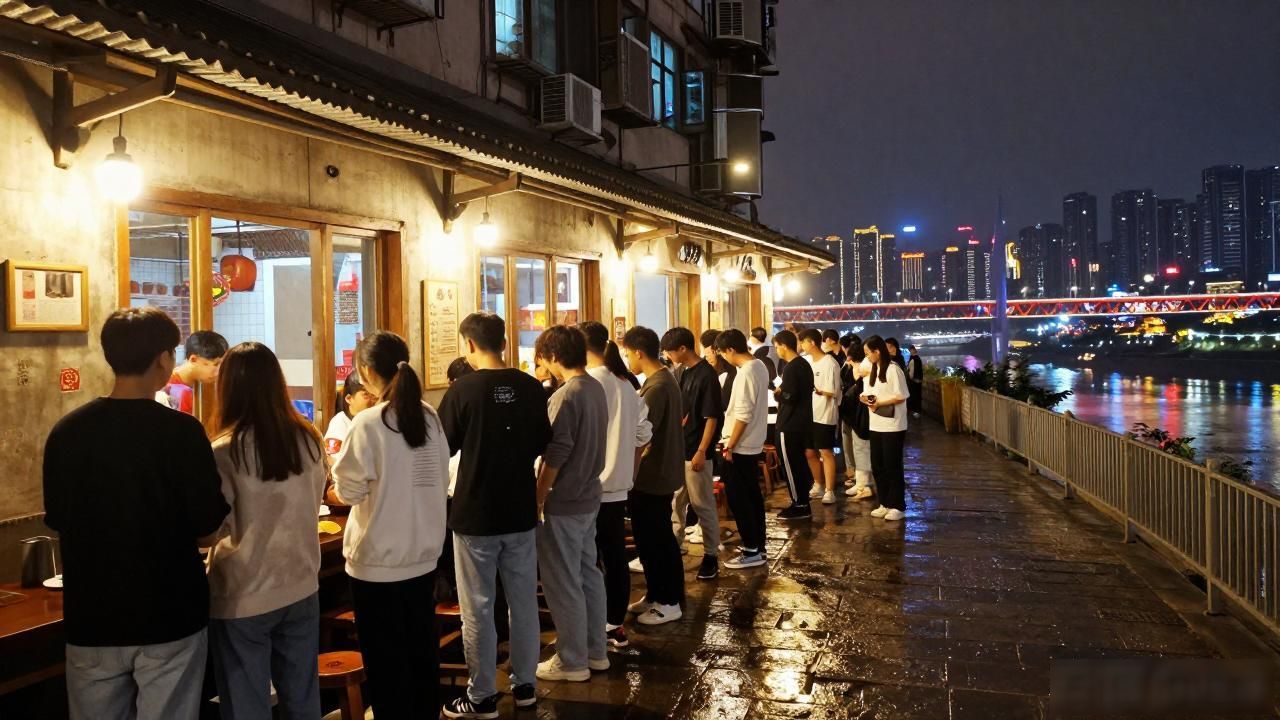
Avoid Jinlong Market area after 8pm unless you enjoy waiting two hours for a seat. Head toward Jiangbei District or the streets behind Nanbin Road where university students crowd into basement-sized restaurants with corrugated metal roofs. Look for places where locals queue past midnight. The best spots rarely have English menus or friendly smiles, but they have clean tables, fresh offal, and regulars who’ve been coming since the owners’ parents opened the place thirty years ago. Bring cash. Some of these kitchens don’t accept cards, and the auntie running the register may not speak a word of anything other than Chongqing dialect.
Hot pot is loud, messy, and deeply communal. If you go alone, expect someone to share your table and insist you try their special. If you go with friends, plan to stay until the broth thins out and someone suggests another round of drunken noodles. The night belongs to people who aren’t afraid of sweat and spicy tears.