
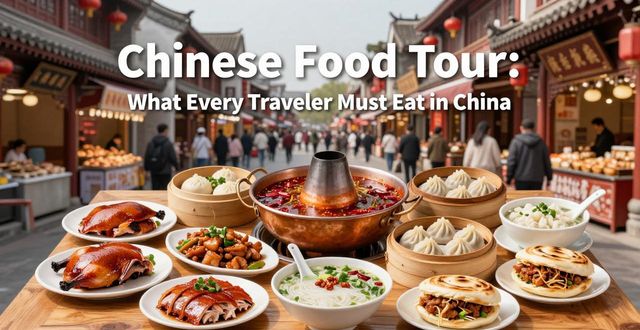
Chinese cuisine is one of the most diverse and flavorful food traditions in the world, and for tourists visiting China, it can be both an exciting adventure and a bit of a challenge. From street stalls to banquet tables, the food tells stories of geography, history, and culture. Many travelers worry about unfamiliar ingredients or spice levels, but with a little guidance, eating in China becomes one of the most memorable parts of the trip.
How to handle spicy food without suffering

Spice is a defining feature of many Chinese dishes, especially those from Sichuan, Hunan, and Chongqing. But not every region in China uses chilies heavily. In Shanghai and Hangzhou, for example, food tends to be sweeter and milder. If you are nervous about heat, start with dishes like mapo tofu or kung pao chicken that offer flavor without overwhelming your mouth. Ask for “bu yao la” if you want no spice at all,or “wei la” for just a little kick.
That said, there is a certain joy in embracing the heat. A bowl of Chongqing spicy hotpot or a plate of Sichuan cold noodles with chili oil can be life-changing. The key is pacing yourself. Drink plenty of water or cold tea, and order some plain rice to balance the burn. Locals often use soy milk or yogurt to cool down, so feel free to copy them.
Another trick is to observe the crowd. A busy noodle shop or dumpling stall with locals lining up is almost always a safe bet. Don’t be afraid to point at what others are eating. Many tourists end up loving spicy food after their first brave bite. Just keep a napkin handy and enjoy the ride.
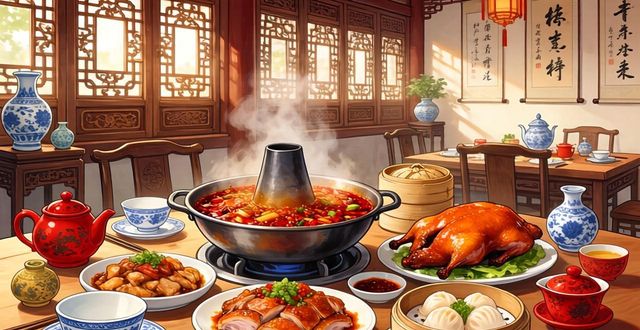
What to eat when you have dietary restrictions
Travelers with allergies or strong food preferences often worry about Chinese food. The good news is that many traditional Chinese meals can be easily adjusted. For vegetarians, Buddhist temples serve amazing vegetable dishes that are completely meat-free. Look for terms like “su shi” or “qing cai” on menus. For gluten-free eaters, rice noodles and steamed rice are your best friends. Soy sauce does contain wheat, so ask for “shao jiang you” or carry a small bottle of tamari.
Meat lovers will find plenty to enjoy, from Peking duck in Beijing to xiaolongbao soup dumplings in Shanghai. The trick is to choose dishes that are clearly labeled or visually easy to identify. Barbecue skewers, steamed buns with pork, and braised beef noodles are all straightforward choices. If you have shellfish allergies, avoid hotpot broths unless you confirm they are made with clear bone stock.
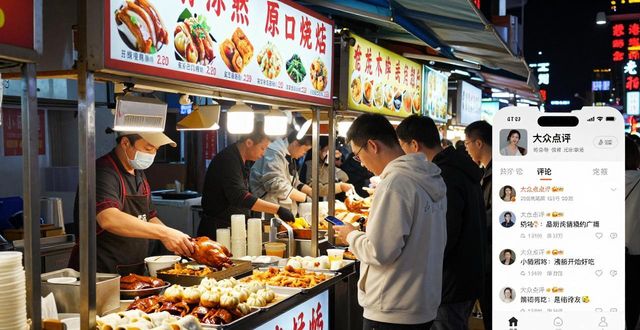
Street food is a highlight, but be mindful of cross-contamination. In larger cities like Beijing, Shanghai, and Guangzhou, many restaurants now offer English menus with allergen information. Apps like Dianping or Google Maps with reviews can help you find places that cater to international tourists. When in doubt, eat at a hotel restaurant or a well-reviewed chain like Din Tai Fung for clean, safe, and delicious options.
Chinese cuisine is not just about food—it is about sharing, trying new things, and trusting your instincts. Whether you are biting into a crispy scallion pancake or sipping hot tea after a fiery meal, every bite brings you closer to understanding this vast and beautiful country. So step out of your comfort zone, use your hands when needed, and let your taste buds lead the way.