
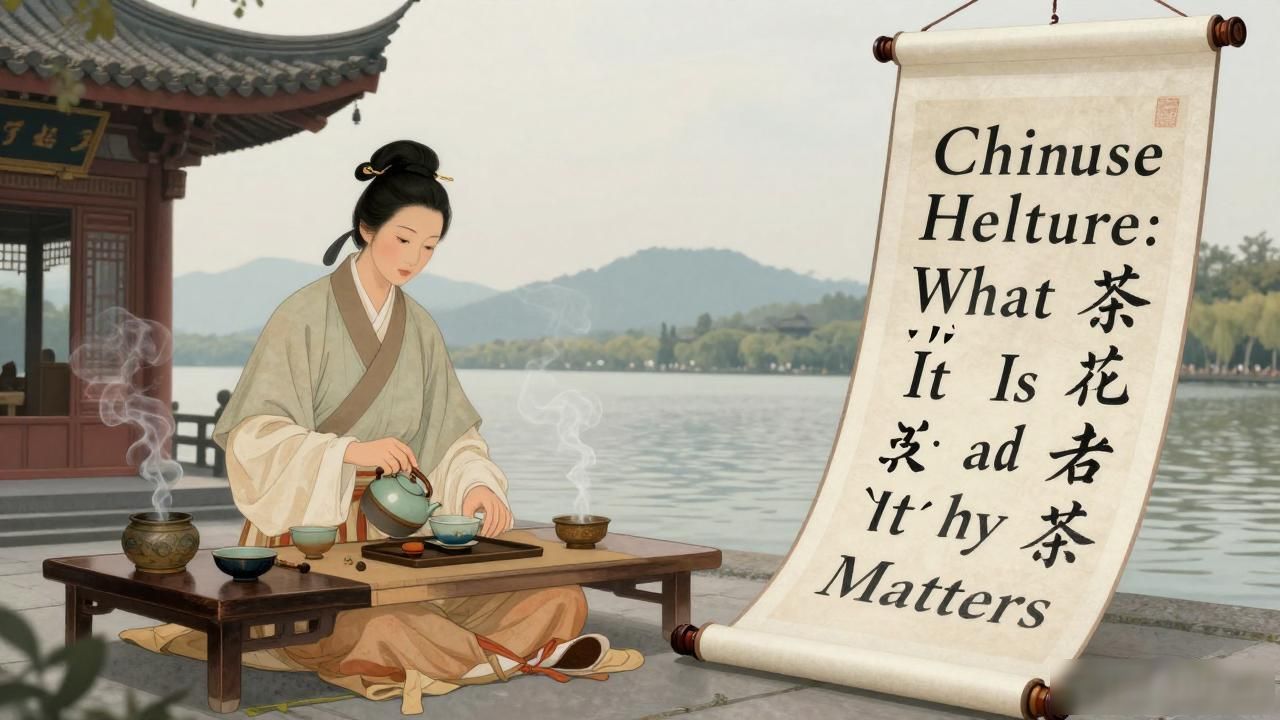
What is Chinese culture heritage
Standing inside a thousand-year-old temple in southern China, you feel something most people never experience. The air smells of incense and old wood. Carved dragon pillars line the corridors. This is not a museum exhibit. This is living history that still breathes and changes with every generation.
Chinese cultural heritage stretches back over five thousand years. It includes everything from ancient philosophical systems to modern folk traditions. Most foreigners understand the Great Wall or the Terracotta Army. But real heritage runs far deeper than famous landmarks. It lives in daily rituals, family traditions, and small communities that keep old customs alive through music, crafts, and seasonal festivals.

The definition matters because heritage is not frozen in time. It adapts and grows. A tea ceremony performed today in Hangzhou connects directly to practices from the Tang dynasty. The language itself carries centuries of poetry and wisdom in every character. Understanding this helps explain why Chinese people treat their traditions with such seriousness and pride.
How does Chinese tradition affect modern life
You might think ancient customs have no place in today’s fast-paced world. Yet they shape decisions millions of people make every single day. During Spring Festival, approximately three billion trips happen as families return home. That is the largest annual human migration on Earth. No government policy or economic trend explains it. Culture drives this movement.
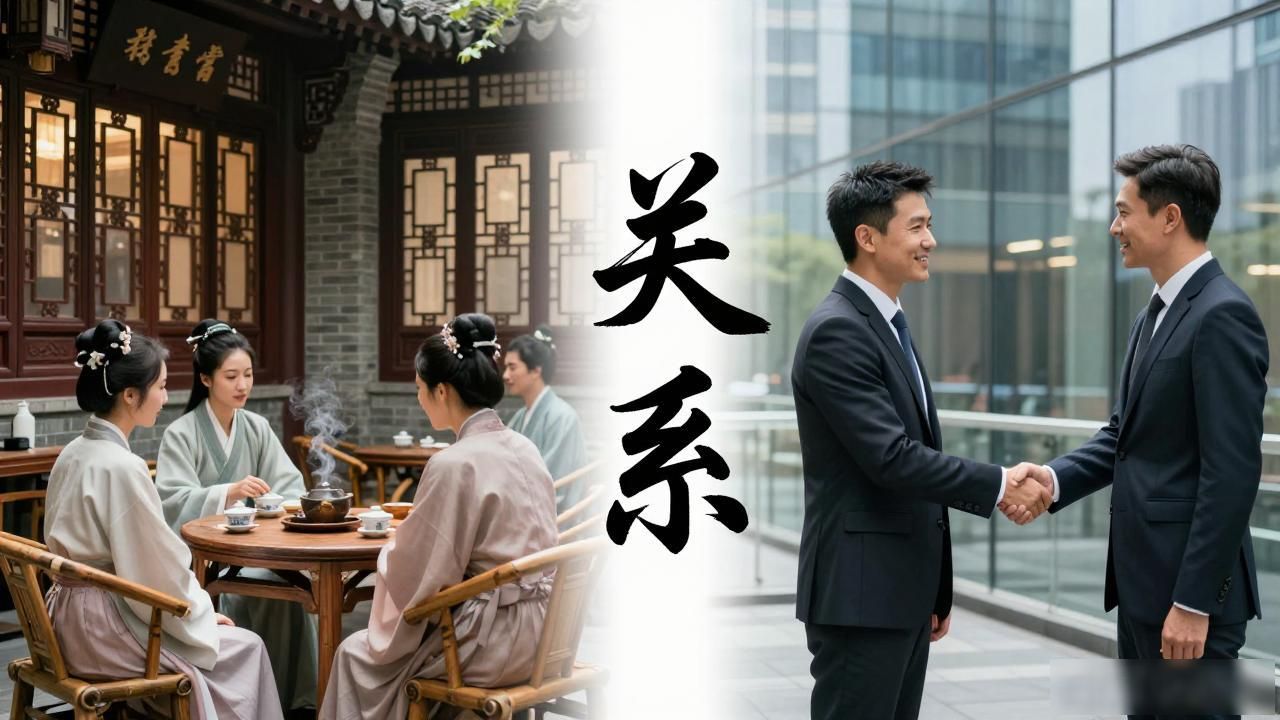
Traditional values also influence business practices and social relationships. The concept of guanxi, built on trust and mutual obligation,operates differently from Western networking. It has roots in Confucian teachings about respect and reciprocity. Foreign companies entering China often struggle because they overlook how deeply these principles run through everyday interactions.
Food culture demonstrates this connection vividly. Every region maintains distinct cooking methods passed down through families. Chopstick techniques, hot water drinking habits, and festival foods all carry meaning that goes beyond taste. A simple meal becomes an expression of identity and belonging that immigrants carry across continents.
Why should foreigners care about Chinese heritage
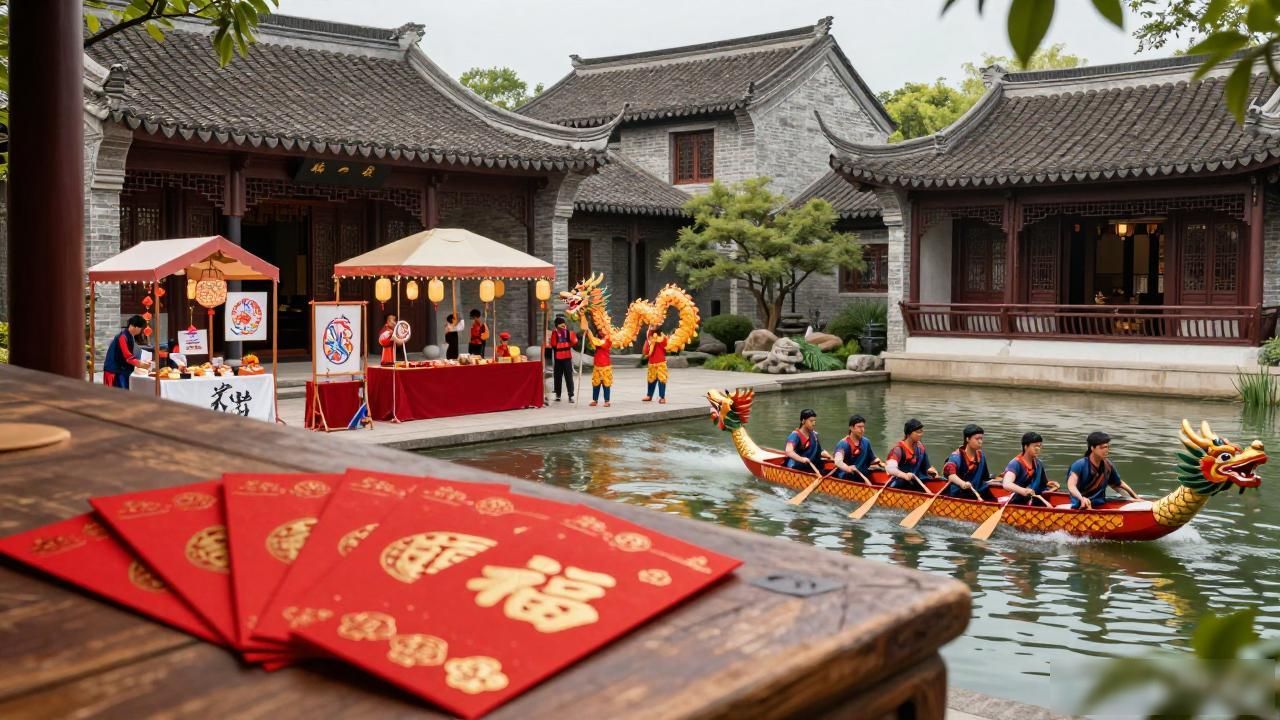
Learning about Chinese culture opens doors that most travelers never find. It transforms a vacation into something meaningful. When you understand the symbolism behind red envelopes during New Year, temple fairs during autumn, or the meaning of dragon boat racing, you see the world differently. You stop being a spectator and start becoming a participant.
Chinese heritage also offers solutions to problems the modern world faces. Traditional ecological wisdom embedded in Feng Shui principles emphasizes living in harmony with natural environments. Ancient medical practices continue influencing global health conversations. Agricultural knowledge accumulated over millennia addresses contemporary sustainability challenges.
Most importantly, engaging with this culture builds genuine human connection. People everywhere share universal feelings about family, respect, and belonging. Recognizing these common threads across vast historical and geographic distances creates bridges that no politics can break.