
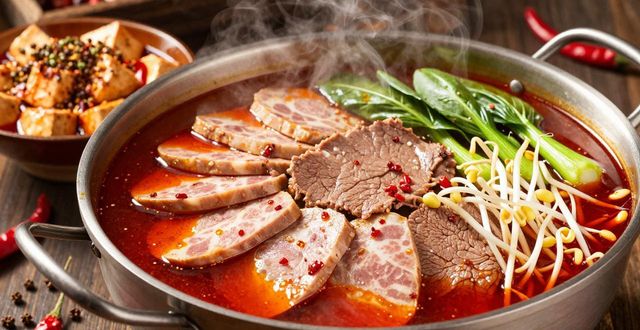
Chinese cuisine is far more than takeout boxes and fortune cookies. It is a vast, ancient food culture built on regional diversity, fresh ingredients, and a deep philosophy of balance. This guide will walk you through its key traditions, cooking techniques, and everyday flavors so you can truly appreciate and even recreate authentic Chinese dishes at home.
What are the Eight Great Cuisines of China?

Most people have tried Cantonese dim sum or spicy Sichuan hot pot, but China officially recognizes eight distinct regional cooking styles. These include Sichuan (known for numbing spice), Cantonese (light and fresh),Hunan (smoky and hot), Jiangsu (sweet and precise), Zhejiang (delicate and quick-fried), Fujian (brothy and umami-rich), Anhui (earthy and wild), and Shandong (salty and crispy). Each cuisine reflects local climate, geography, and history. For example, coastal Fujian uses lots of seafood and light soups, while inland Sichuan relies on preserved chilies and peppercorns to combat humidity. Exploring these eight styles is like tasting eight different food cultures under one national umbrella.
Why is balance so important in Chinese cooking?
Chinese chefs follow the principle of yin and yang, which means every dish should balance colors, textures, flavors, and even nutritional properties. A typical meal includes a mix of meat and vegetables, crunchy and soft ingredients, and cooking methods like stir-frying (hot yang) paired with steaming (gentle yin). Seasonings also follow this logic: sweet balances salty, sour balances fatty, and spicy balances rich. For instance, classic sweet and sour pork combines sugary sauce with vinegar, while kung pao chicken punches up peanuts’ crunch with soft chicken and a tangy sauce. This harmony explains why Chinese meals rarely feel heavy or one-dimensional, even after several courses.
How to use a wok like a real Chinese cook?
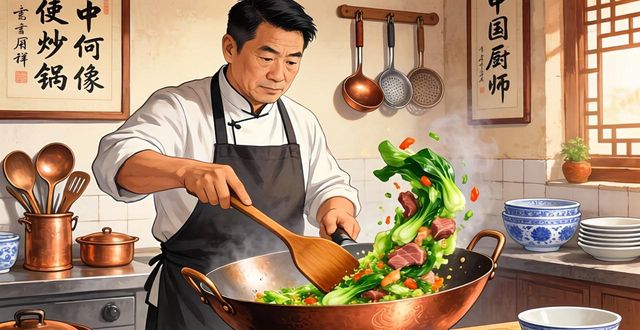
The wok is the heart of most Chinese kitchens, but using it correctly takes practice. First, always season a new carbon steel wok by scrubbing it, heating it until it turns blue-black, then rubbing oil all over the surface. This creates a natural non-stick patina. Second, heat the wok until it smokes before adding oil—this is called “longyau” (hot wok, cold oil). Then toss ingredients quickly over high flame, keeping them moving with a spatula or by shaking the wok. The goal is “wok hei,” that smoky, charred aroma unique to stir-fried food. Start with simple dishes like fried rice or stir-fried greens. Remember never to overcrowd the wok; cook in small batches so every piece gets direct heat.
What common Chinese ingredients should I stock?
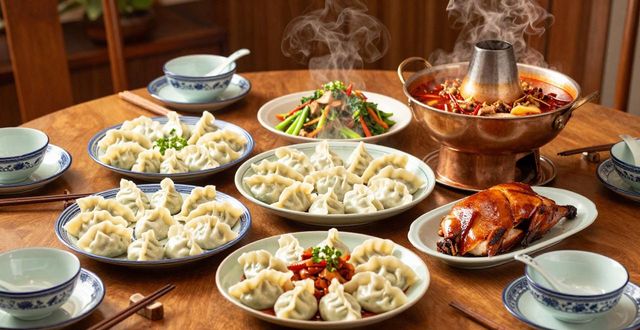
To cook authentic Chinese food at home, you need more than soy sauce. Stock these staples: light and dark soy sauce (light for salt, dark for color), Shaoxing wine (a cooking rice wine), Chinkiang black vinegar (malt-like and smoky), oyster sauce, toasted sesame oil, fermented bean pastes, and dried chilies. Fresh aromatics include ginger, garlic, scallions, and cilantro. For starches, get medium-grain rice, wheat noodles, and potato or corn starch for velveting meat. Don’t forget Sichuan peppercorns for that unique numbing tingle. Most of these last months in the pantry, so invest once and you can cook dozens of dishes, from mapo tofu to dan dan noodles. Many Asian grocery stores sell them cheaply, and online retailers now ship worldwide.
Have you ever tried cooking a real Chinese dish at home, and what was the biggest surprise—the ingredients, the technique, or the taste? Share your experience in the comments below, and don’t forget to like and share this guide with fellow food lovers.