
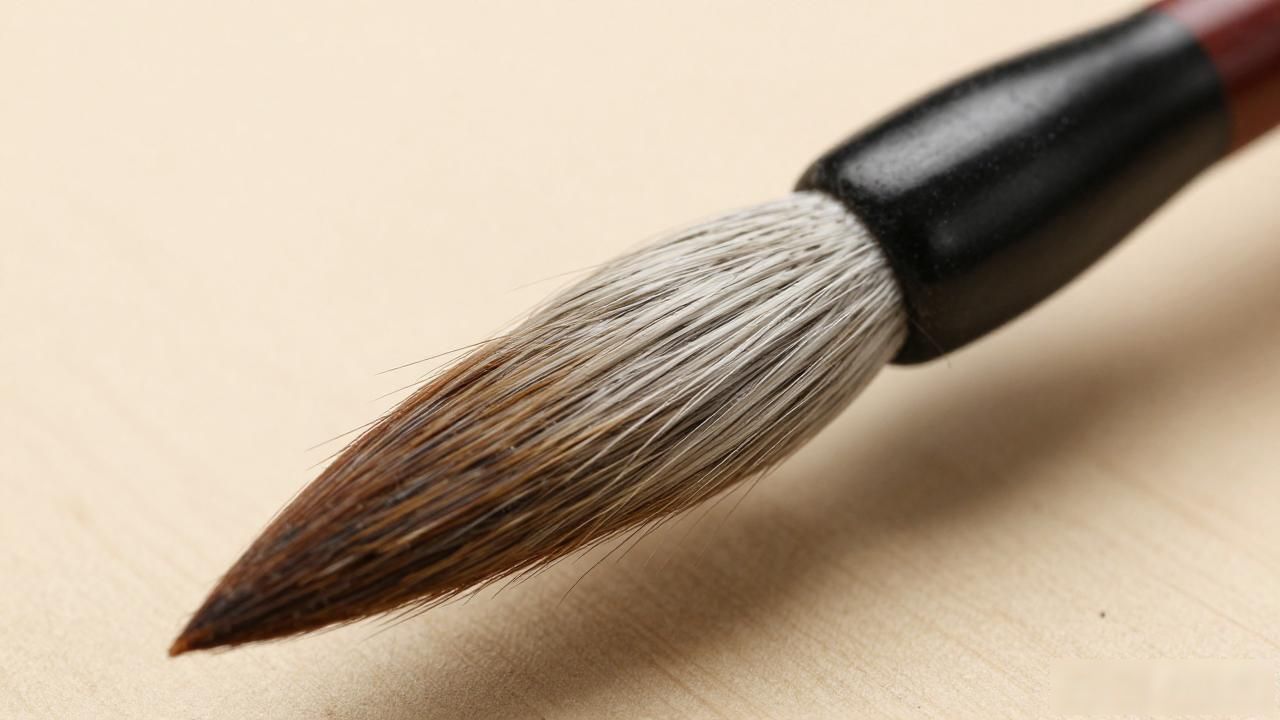
Chinese calligraphy brushes are far more than simple writing tools. They are instruments that carry over two thousand years of cultural heritage, each one shaped by centuries of craftsmanship and artistic tradition. For anyone stepping into the world of Chinese calligraphy,understanding these brushes is the first real step toward mastering the art. The brush in your hand determines how ink flows, how lines breathe, and ultimately, how your characters come alive on paper.
What are Chinese calligraphy brushes made of

The material composition of a Chinese calligraphy brush is what sets it apart from any other writing instrument in the world. The tip, known as the head, is where the magic happens. It is crafted from animal hair — most commonly goat, wolf, weasel, or a blend of different types. Goat hair produces soft, absorbent tips that yield flowing, expressive strokes ideal for running and cursive scripts. Wolf hair, taken from the tail of a yellow weasel, is much stiffer and springy, making it perfect for sharp, precise regular script characters.
The handle, or stem, is traditionally carved from bamboo, wood, or sometimes jade and other precious materials. A well-made handle is lightweight yet sturdy, with a smooth finish that feels natural in the hand. The bond between the hair and the handle is created through a meticulous hand-tying process that has remained largely unchanged for generations.
How to choose the right Chinese calligraphy brush
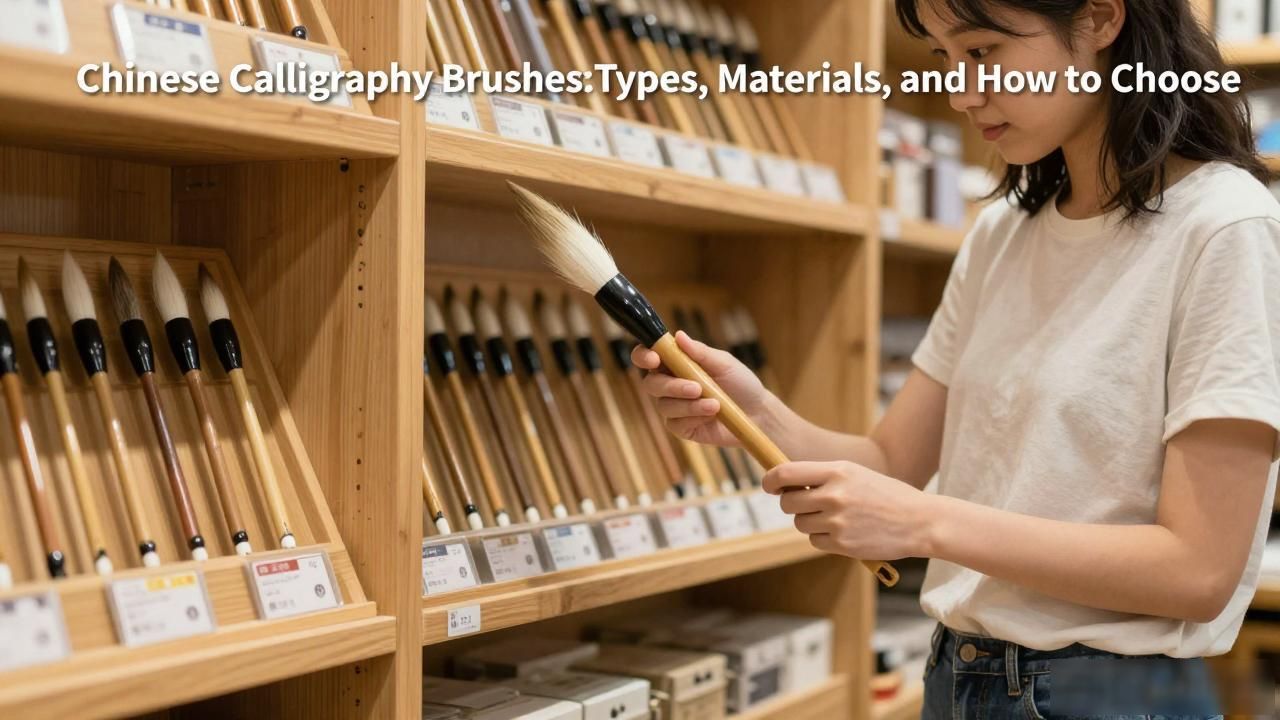
Selecting the right brush depends on your skill level, the style of calligraphy you wish to practice, and your personal comfort. Beginners often benefit from a medium-hardness brush made from a wolf-goat hair blend. This gives you enough flexibility to feel the expressiveness of the brush while retaining sufficient bounce to control your strokes. As your technique develops, you can gradually explore brushes with different hardness levels and tip sizes.
The size of the brush head matters just as much as the material. Smaller brushes are suited for regular script and detailed work, while larger brushes allow for broader, more dramatic strokes in running or cursive styles. Consider also the length of the handle — longer handles give you more freedom for large characters and expressive movements, while shorter handles offer greater control for smaller, more delicate work. Hold the brush comfortably before buying and imagine how it would feel during an extended practice session.
Why do Chinese calligraphy brushes matter in traditional art
Chinese calligraphy brushes are not merely practical tools — they are cultural artifacts that embody the philosophy and aesthetics of Chinese art. The concept of “brush and ink together” reflects a deep belief that the instrument and the artist are inseparable. Every brush carries the energy and intention of its maker, and every stroke carries the energy of the artist using it. This relationship between tool, hand, and mind is central to why Chinese calligraphy is considered one of the highest forms of visual expression in East Asian culture.
Historically, the production of fine brushes was guarded by families and regions who passed their techniques down through generations. Places like Huzhou in Zhejiang Province became famous for their brush-making traditions, and certain brushes were considered so valuable that they were treasured as family heirlooms. Today, the art of brush-making is recognized as an intangible cultural heritage, and artisans continue to produce brushes using methods that have remained essentially unchanged for over a millennium.