
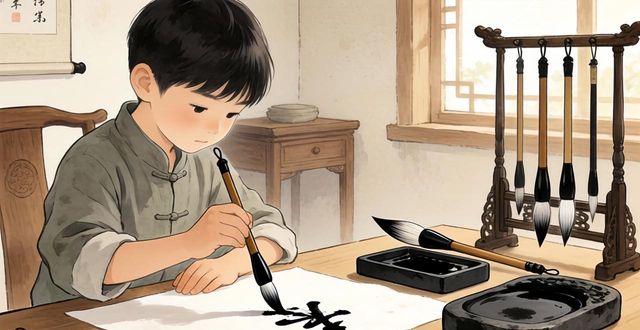
Chinese calligraphy and paper cutting are two of China’s most treasured traditional arts. They are not just crafts but living expressions of Chinese philosophy, history, and daily life. For many Westerners, these arts might look mysterious or difficult, but the truth is that anyone with curiosity and patience can begin to appreciate and even practice them. This article will walk you through the basics, answer common questions, and show you how these beautiful arts can enrich your own creative journey.
How to start Chinese calligraphy as a beginner

Starting Chinese calligraphy does not require expensive tools or years of training. You only need a brush, ink,paper, and an inkstone, often called the “Four Treasures of the Study.” Many online shops sell beginner kits for under twenty dollars. First, practice holding the brush upright, not like a pen. Then try simple strokes: horizontal, vertical, and dot. The key is slow, steady movement and breathing. Do not worry about making perfect characters at first. Just enjoy the feeling of black ink flowing on white paper. Many communities also offer weekend workshops where you can try calligraphy for free.
What are easy paper cutting patterns for beginners
Paper cutting, or jianzhi, is even easier to start. All you need is a piece of red paper, a pair of sharp scissors, and a simple pattern. Red is traditional because it symbolizes good luck and happiness. For beginners, start with a symmetrical design like a butterfly or a simple flower. Fold the paper in half, draw half of the shape along the fold, then cut along the line. When you open it, you will see a perfect mirror image. Another easy pattern is the Chinese character for “double happiness,” often used in weddings. You can find free templates online and print them out to practice.
Why brush control matters more than you think
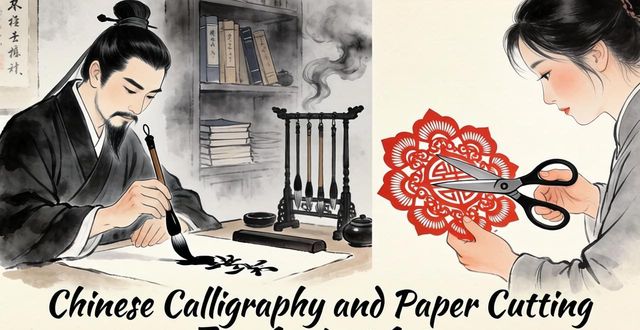
Both calligraphy and paper cutting share a hidden skill: brush control. In calligraphy, every stroke must have a clear start, middle, and end. Pressing harder makes the line thicker; lifting the brush makes it thinner. This same control applies when you hold scissors. Gentle, steady movements create smooth curves, while jerky cuts leave rough edges. Practicing calligraphy actually improves your paper cutting because both train your hand to follow your eyes without hesitation. Many Chinese artists spend years mastering this connection between mind, hand, and tool. But you can feel the difference in just a few practice sessions.
Can I combine calligraphy and paper cutting in one artwork
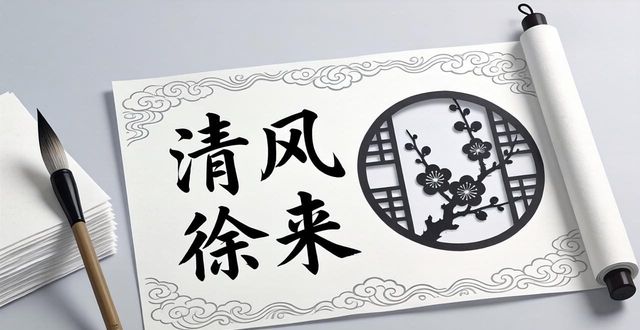
Yes, combining these two arts is a wonderful way to create unique pieces. For example, you can write a short poem in calligraphy on a piece of rice paper, then cut out a small window or border around it. Another idea is to cut a paper shape like a fish or a bamboo branch and glue it next to your calligraphy characters. This creates a layered effect that is both modern and traditional. Some artists even cut away parts of the calligraphy itself, leaving the characters as negative space. Try making a greeting card: write “peace” or “love” in calligraphy on the front, then cut a small paper flower and attach it beside the word. Your friends will love the handmade touch.
These two arts are not museum relics locked behind glass. They are living, breathing practices that anyone can enjoy at their own kitchen table. You do not need to be Chinese or speak the language to feel the calm focus that calligraphy brings or the joy of revealing a paper cut pattern. Have you ever tried cutting a paper snowflake or writing with a brush pen? Share your experience or a photo of your first attempt in the comments below. And if you found this helpful, please give it a like and share it with a friend who loves trying new crafts.