
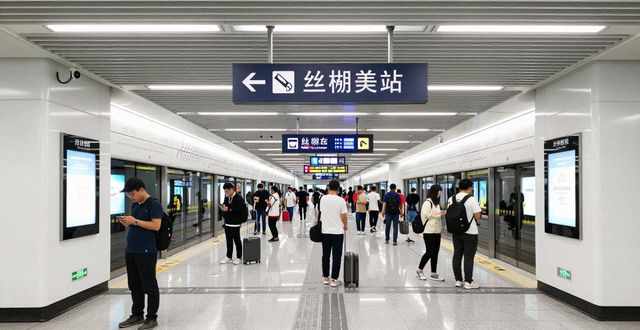
China’s public transportation system is one of the most extensive, efficient, and affordable networks in the world. For foreign visitors, understanding how it works can turn a potentially confusing experience into a smooth and enjoyable journey. From high-speed rail connecting megacities to bus and subway lines reaching every neighborhood, the system covers nearly every corner of the country. This guide will walk you through key aspects of China’s public transit, helping you navigate like a local and avoid common pitfalls.
Public transport network in major Chinese cities

In cities like Beijing, Shanghai, and Guangzhou, the subway system is the backbone of daily travel. With over 40 cities operating metro lines, China now has the longest urban rail network globally. Stations are clearly marked in both Chinese and English, and voice announcements are often bilingual. Train frequencies are high – usually every two to five minutes during peak hours – and the trains are modern, air-conditioned, and spotless. Beyond subways, bus routes fill in the gaps, reaching areas not served by rail. Many bus stops also display route maps in English, and real-time arrival information is available through mobile apps. For short trips,shared bikes integrated with transit apps offer a seamless last-mile solution.
How to use mobile payments for transit
Gone are the days of needing a separate transit card for every city. Today, the most common way to pay for buses and subways is through mobile payment apps like Alipay or WeChat. Simply open the app, search for “transport code” or “transit card,” and follow the prompts to activate a digital QR code that works across most cities. At subway gates, you scan the code at the reader; on buses, you scan as you board. The fare is automatically deducted from your linked bank account or digital wallet. For those who prefer physical cards, every city offers a rechargeable transit card (like Shanghai’s “Jiaotong Card” or Beijing’s “Yikatong”), and many cards now work nationwide. Foreign credit cards can be linked to Alipay and WeChat, making the process accessible without a local bank account.
Cost and affordability of public transit
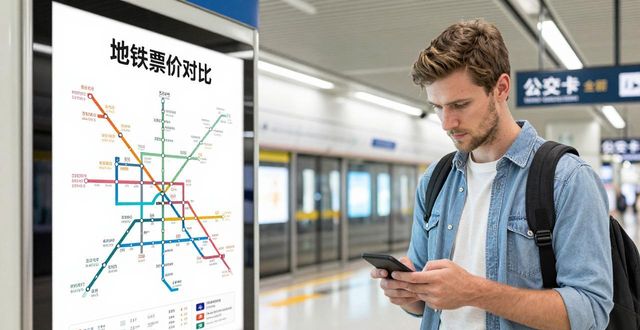
One of the biggest surprises for foreigners is how cheap public transport is in China. A subway ride in Beijing starts at just 3 RMB (about $0.40 USD) for the first six kilometers, and even a cross-city trip rarely exceeds 8 RMB. Bus fares are even lower – typically 1 to 2 RMB per ride, with discounts when using a transit card or mobile code. Monthly commuting costs for an average worker are often under 200 RMB, a fraction of what you would pay in London, New York, or Tokyo. Students, seniors, and frequent riders can get additional discounts. The government heavily subsidizes public transit to reduce traffic congestion and air pollution, keeping fares affordable for everyone. For budget travelers, this means you can explore an entire metropolis for less than the price of a coffee.
High-speed rail and intercity connections
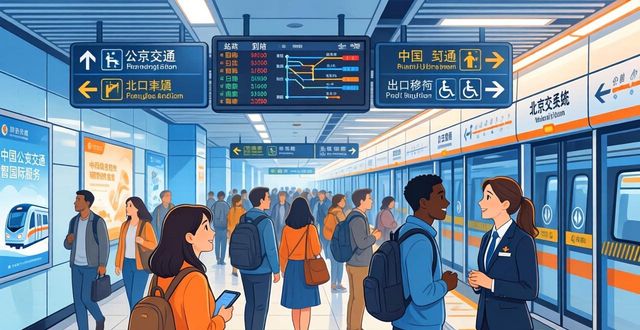
While city subways handle local travel, China’s high-speed rail (HSR) network seamlessly integrates with urban transit. Major stations like Beijing South, Shanghai Hongqiao, and Guangzhou South are all connected to multiple subway lines, allowing you to step off a bullet train and directly board a metro train. HSR tickets can be booked online through the official 12306 app or via third-party platforms like , with English interfaces available. For medium-range journeys – say, Shanghai to Hangzhou (45 minutes) or Beijing to Tianjin (30 minutes) – trains run so frequently (every 10-15 minutes) that you rarely need a reservation. When you arrive at another city, the same mobile payment codes or transit cards often work immediately, thanks to increasing regional integration. This makes multi-city travel by public transport not only possible but surprisingly convenient.
What has been your most memorable experience using public transport in a foreign country? Share your story in the comments below, and if this guide helped you, please like and share it with fellow travelers.