
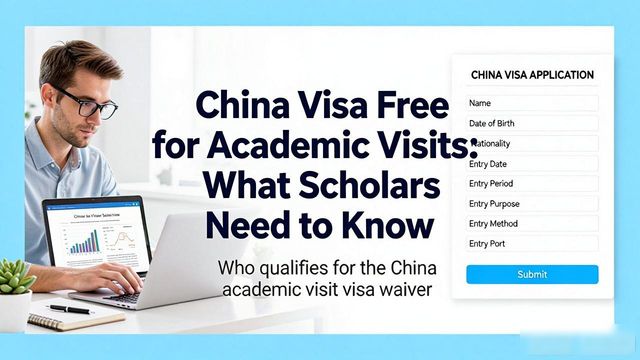
China’s visa-free policy for academic visits is a significant development for international scholars and researchers looking to engage in short-term academic exchanges. This policy simplifies entry procedures, allowing eligible individuals to visit China for academic purposes without the need for a traditional visa. I have observed that many academics are eager to understand the specifics, including eligibility criteria, allowed activities, and practical tips for a smooth visit.

Who qualifies for the China academic visit visa waiver
The visa-free entry for academic visits is not a blanket policy. It typically applies to citizens of countries that have a mutual visa exemption agreement with China, or those participating in specific programs. Generally, scholars from countries like Singapore, Brunei, and Japan have long enjoyed certain visa-free privileges. More recently,China has expanded its unilateral visa-free policy to include several European and Southeast Asian nations for short stays up to 15 or 30 days, which covers academic visits. You must hold a valid passport from an eligible country and be traveling for purposes such as attending conferences, giving lectures, conducting research collaborations, or participating in academic seminars. It is important to note that this does not cover long-term employment or degree-seeking programs. Before planning your trip, verify your nationality on China’s official embassy website or consult the nearest Chinese consulate. The list of eligible countries is periodically updated, so checking for the latest announcements is essential. For example, as of 2025, citizens of France, Germany, Italy, the Netherlands, Spain, Malaysia, and others can enter China visa-free for up to 15 days for business, tourism, and academic visits.

What activities are allowed under this visa-free policy
Under the visa-free academic visit policy, you are permitted to engage in a range of scholarly activities that foster international cooperation. These include attending academic conferences, delivering guest lectures, participating in joint research projects, and visiting universities or research institutes for short-term exchanges. However, you cannot engage in paid employment, enroll as a student, or stay beyond the permitted duration. For instance, if you receive an invitation from a Chinese university to give a series of workshops, this qualifies as an academic visit. But if you plan to teach a semester-long course for a salary, you would need a proper work visa or Z visa. I recommend carrying an official invitation letter from the host institution in China, as immigration officers may ask for it upon entry. Additionally, your stay must align with the travel purpose stated at the border. Overstaying or engaging in unauthorized activities could result in penalties, including fines or future visa restrictions. Always confirm the specific rules with your host organization and China’s National Immigration Administration to avoid any misunderstandings.
The expansion of China’s visa-free policy for academic visits reflects the country’s commitment to international educational exchange. By simplifying entry, it encourages scholars to collaborate, share knowledge, and build lasting research partnerships. For academics planning a short-term visit, this policy offers a convenient and efficient way to engage with China’s vibrant academic community. Just ensure you have the necessary documents and a clear understanding of the rules to make your trip both productive and compliant.