
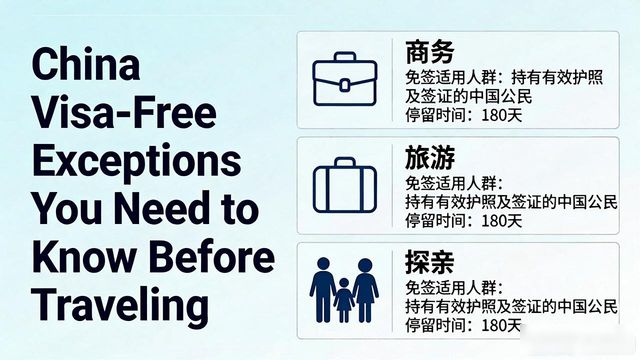
If you are planning a trip to China, it is easy to assume that visa-free policies apply to everyone. However, the reality is more complex. China’s visa-free exceptions are specific rules that allow certain travelers to enter without a visa under particular conditions. Understanding these exceptions is crucial to avoid last-minute travel disruptions.

What are the main visa-free exceptions for China
China offers several visa-free exceptions, but each comes with strict requirements. The most common is the 24-hour transit policy, which allows travelers from most countries to stay in certain cities for up to 24 hours without a visa. For longer stays, the 72-hour and 144-hour transit policies apply in specific cities like Shanghai, Beijing, and Guangzhou. Another major exception is the visa-free access for citizens of countries such as Singapore, Brunei, and Japan, though these agreements are temporary and subject to change. Additionally, travelers holding a valid visa or residence permit from certain countries may qualify for a 15-day visa-free stay in specific regions like Hainan. Each exception has its own list of eligible nationalities and ports of entry, so checking the latest official updates is essential.

How do I know if I qualify for a visa-free exception
Qualifying for a visa-free exception depends on your nationality, travel purpose, and itinerary. First, check your passport’s country of issuance against China’s current list of visa-free eligible nations. Even if your country is on the list, you must meet additional conditions: you need a confirmed onward ticket to a third country, and you must enter and exit through designated cities for transit policies. For example, the 144-hour exception requires you to stay within a specific administrative region, like the Yangtze River Delta for Shanghai. Business travelers or tourists should also note that visa-free exceptions generally do not allow work or study. The best practice is to visit the official website of China’s National Immigration Administration or consult your local Chinese embassy before departure. Many travelers mistakenly assume their nationality automatically qualifies,but each exception has precise rules that change without notice.
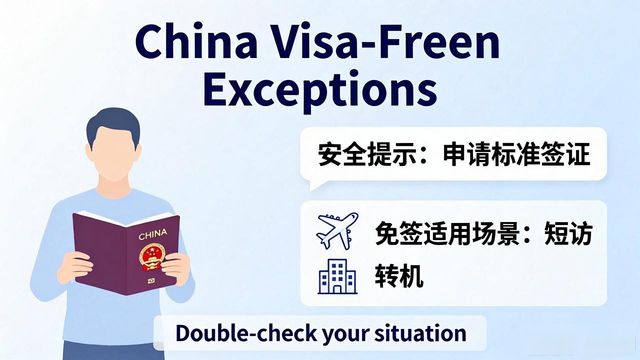
If you are unsure, always apply for a standard visa in advance. It is safer to plan for a visa than to risk being denied entry at the border. Visa-free exceptions are valuable tools for short visits or layovers, but they require careful preparation. Double-check your specific situation with official sources, and you will enjoy a smoother journey into China.