
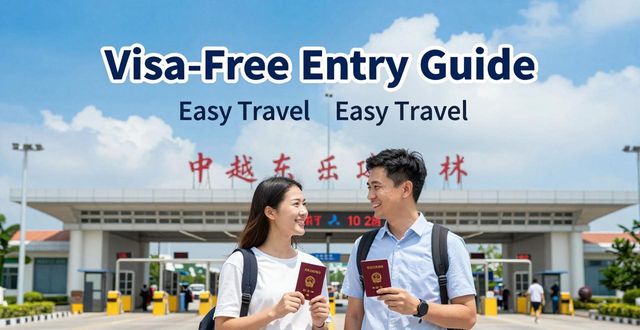
China has long been a fascinating destination for travelers, but visa requirements often posed a challenge. Fortunately, China offers several visa-free border crossing policies that allow visitors from many countries to enter designated regions without a traditional visa. These policies are designed for short-term tourists and business travelers who want to explore border cities or specific provinces. Understanding how these crossings work, where they apply, and what documents you need can save you time and hassle. This guide explains the most practical options, common pitfalls, and tips to make your journey smooth and stress-free.
Where are the visa-free border crossings located?
China’s visa-free border crossings are mainly found in the northeastern, northwestern, and southern regions. For example, the city of Hunchun in Jilin province allows visa-free entry for Russian tourists traveling to nearby areas. Similarly, the border between China and Vietnam has crossings like Dongxing and Hekou, where certain foreign groups can enter for short stays. In the west, the Khunjerab Pass between China and Pakistan is famous for its stunning scenery, but visa-free access there is more restricted. These crossings are often located in less developed regions, so public transportation may be limited. Before you go, check the exact border point’s rules, as each crossing has its own permitted duration and travel zone.
How long can I stay under visa-free border crossing policies?
Most visa-free border crossing policies allow stays ranging from 24 hours to 15 days. The 144-hour transit visa-free policy is well-known for major cities like Beijing and Shanghai, but that’s for air transit. For land border crossings, the duration is usually shorter. For instance, the visa-free policy for Russian citizens entering Hunchun allows a stay of up to 3 days within a restricted area. Some southern crossings permit stays of 6 days for tour groups organized by approved travel agencies. Always verify the maximum stay length before your trip, because overstaying even by a few hours can lead to fines, deportation, or a ban from re-entering China. You must exit China before midnight of the last permitted day.
What documents do I need at the border?

Even without a visa, you still need a valid passport with at least six months of remaining validity. Many border crossings also require you to show a return ticket or a ticket to a third country, proving you will leave China within the allowed time. Hotel bookings or an invitation letter from a Chinese host can help, but they are not always required. For land crossings, border officials often ask for proof of sufficient funds, typically around $100 per day of stay. If you are driving your own vehicle, you will need international driving permits and vehicle registration documents. Make sure to fill out the arrival card neatly and honestly. Having printed copies of all documents speeds up the process.
Can I travel anywhere in China with a border crossing permit?
No. The visa-free border crossing policy strictly limits you to a specific region or province. For example, entering via the Hekou crossing in Yunnan only allows travel within Honghe Prefecture. You cannot take a train to Beijing or fly to Shanghai under this permit. Some policies permit travel only within a 15-20 kilometer radius of the border. Others allow you to visit a few neighboring cities but require you to check in with local police stations. Violating the travel zone is treated as illegal entry and can result in detention. Always ask border officers for a map of the permitted area. If you want to see more of China, apply for a regular tourist visa (L visa) in advance.
How can I avoid common mistakes at the border?
Many travelers get turned away because they assume all visa-free policies work the same way. One common mistake is arriving at the wrong port of entry – not every border crossing offers visa-free access. Another error is misunderstanding the “group only” rule. Several crossings, like those in Tibet’s border with Nepal,require you to be part of an organized tour with a licensed guide. Solo travelers will be denied entry. Also, do not bring prohibited items such as drones, walkie-talkies, or excessive amounts of cash over $5,000 without declaration. Always double-check the latest rules online or with the Chinese embassy, because policies can change with little notice. Lastly, learn a few basic Chinese phrases – it helps a lot when officers speak little English.
Now here’s a question for you: Have you ever used a visa-free border crossing to enter China, and what was your biggest surprise or challenge during the process? Share your story in the comments below, and don’t forget to like and share this guide with fellow travelers planning their China adventure