
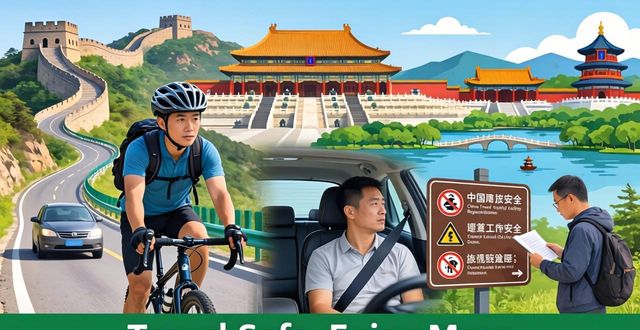
China has developed a comprehensive set of travel safety regulations that prioritize the well-being of both domestic and international visitors. These rules cover everything from transportation and accommodation to emergency response and public health. As a frequent traveler to China over the past decade, I’ve seen how these measures have evolved into a reliable system that actually works. Whether you’re exploring Beijing’s hutongs or hiking in Zhangjiajie, understanding these regulations will help you travel smarter and avoid unnecessary hassles. Let me break down what you really need to know.
What identification documents must I carry at all times
Foreign visitors are legally required to carry their original passport at all times while traveling in China. Photocopies or digital photos on your phone are not accepted by authorities during routine checks or hotel registrations. Many travelers don’t realize that even a short walk to a local market could lead to a random identity inspection by police. Keep your passport in a secure but accessible place, like a zippered inner pocket of your jacket or a concealed travel belt. Hotel safes are great for storing backup documents, but never leave your only passport behind when going out for the day.

Additionally, you should always have a printed copy of your visa and the address of your current accommodation written in Chinese characters. Taxi drivers and local officials may need this information if you get lost or require assistance. Since 2024, certain border regions like Tibet and Xinjiang have introduced temporary travel permits for foreigners, which must be carried alongside your passport. Check with your hotel or local public security bureau before heading to these areas. Carrying proper identification isn’t just about following rules—it’s your first line of defense if an unexpected situation arises.
How does China handle emergency response for tourists
China has established a three-digit emergency number system that works nationwide: police dial 110, fire and rescue call 119, and medical emergencies reach 120. Most operators speak only Mandarin, but they will transfer you to English-speaking assistance if you ask clearly—say “English please” or use a translation app. Major tourist cities like Shanghai, Guangzhou, and Chengdu now have dedicated foreigner help lines within their 110 centers. Response times in urban areas typically range from three to eight minutes, which is faster than many European cities I’ve visited. Always memorize or store these numbers in your phone before your trip.
Beyond basic emergency services, China requires all star-rated hotels and major attractions to maintain first-aid stations staffed by certified personnel. For example, every entrance of the Great Wall sections near Beijing has a medical hut with basic supplies and an automatic external defibrillator. The regulations also mandate that tour operators provide every foreign client with a safety card listing local emergency contacts in both English and Chinese. If you’re traveling independently, it’s wise to share your itinerary with your country’s embassy or consulate. China’s travel safety framework emphasizes prevention, but when things go wrong, the response system is surprisingly robust.
Are there special safety rules for using public transportation
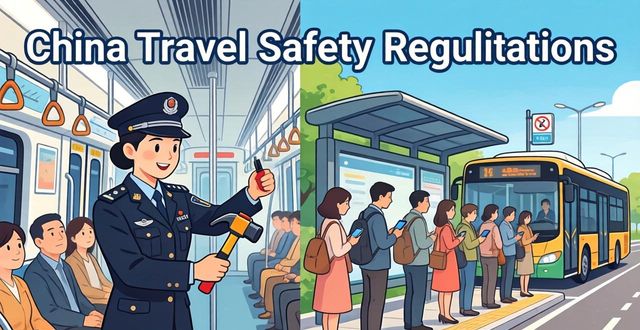
China’s high-speed rail and subway systems operate under some of the strictest safety regulations in the world. All passengers must pass through security screening at train stations, similar to airport checks but faster. This means your large luggage will be X-rayed,and you cannot bring anything sharp—even small scissors or nail clippers may be confiscated. For high-speed trains arriving at stations like Beijing West or Shanghai Hongqiao, arrive at least 60 minutes early for foreign passport verification. The good news is that these measures have reduced pickpocketing and other petty crimes to almost zero inside stations and onboard.
When taking buses or ride-hailing services like Didi, the regulations require that all passengers wear seatbelts in the back seats—a rule often ignored in many countries but strictly enforced in China. Fines start at 50 yuan per unbelted passenger, and police conduct random spot checks at highway toll gates. For overnight sleeper buses, a new 2025 regulation bans passengers from staying in the lower bunk if they have consumed alcohol within four hours. Sharing these rules with your travel companions can save you from unexpected penalties. Remember that Chinese traffic police rarely give warnings to foreigners; they expect equal compliance with local laws.
What health safety protocols are still active for travelers
While China lifted its last COVID-era travel restrictions in early 2025, some health safety regulations remain in place for public wellbeing. All travelers entering China from yellow fever endemic countries must present valid vaccination certificates, per international health regulations. Hotels and public venues no longer check体温或健康码, but you’ll find hand sanitizer dispensers at almost every subway entrance and shopping mall. The government also maintains a real-time air quality monitoring system, with color-coded warnings in major cities. On days with red alerts (AQI above 300), authorities recommend avoiding outdoor activities—a practical advisory that local residents follow seriously.
For food safety, China requires all restaurants to display their hygiene grade (A, B, or C) near the entrance. Grade A establishments undergo monthly random inspections, while C-grade ones are inspected weekly. As a foreign traveler, sticking to A or B rated places dramatically reduces your risk of stomach issues. Additionally, bottled water is still the safest choice; despite tap water being technically potable in cities like Shanghai, the pipes in older buildings may introduce contaminants. If you need medication, look for a pharmacy with a green cross sign—they are regulated to stock English-labeled packaging for common drugs. These protocols may seem excessive, but they’ve made China one of the cleanest travel destinations in Asia.
Have you encountered any travel safety regulations in China that surprised you or felt particularly helpful? Share your experience in the comments below—your story could help fellow travelers prepare better, and don’t forget to like and share this guide if you found it useful!