
Traveling to China offers incredible experiences—from the Great Wall to spicy Sichuan cuisine—but unexpected medical emergencies or trip disruptions can turn your dream vacation into a financial nightmare. Understanding China travel insurance is not just about checking a box; it’s about protecting yourself against hospital bills that can exceed $10,000 per day, lost luggage, or sudden flight cancellations. Many foreign tourists assume their domestic health plan works abroad, only to discover they’re completely uncovered. This guide walks you through everything you need to know before you book your trip.
Does China require travel insurance for tourists
No, China does not legally mandate travel insurance for tourist visa holders. However, don’t let that fool you. Hospitals in major cities like Beijing or Shanghai often demand upfront payment—sometimes thousands of dollars—before treating foreigners. Without proof of insurance or cash, you could be denied non-emergency care. Moreover, if you plan to climb Huangshan or bike through rural Yunnan, rescue services can cost over $5,000. While it’s not a visa requirement, skipping coverage is a gamble that leaves you personally liable for every yuan. Many seasoned travelers consider it as essential as their passport.

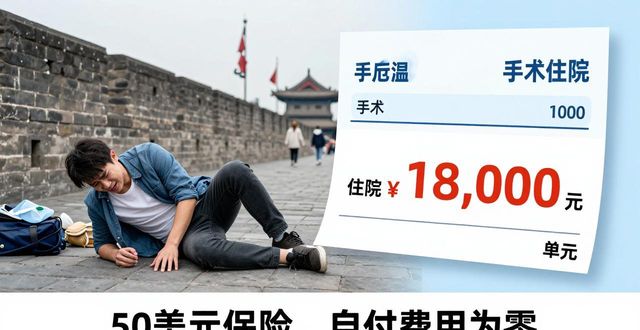
Practical example: A tourist in Xi’an broke his leg falling on the city wall. His uninsured hospital bill reached $18,000 for surgery and a five-day stay. Had he purchased a $50 policy, his out-of-pocket would have been zero. So while the government doesn’t force you, the healthcare system’s payment-first model certainly nudges you toward getting insured. Always double-check your policy’s deductible and direct-billing options with local Chinese hospitals—some international clinics accept direct claims.
What does China travel insurance typically cover
Standard China travel insurance packages include emergency medical expenses (usually $50,000–$100,000 minimum), medical evacuation to your home country or a regional hub like Singapore, trip cancellation or interruption, lost checked baggage, and 24/7 multilingual assistance hotlines. High-end plans add coverage for adventure sports—like skiing in Zhangjiakou or scuba diving in Sanya—as well as political evacuation and hijacking protection. Pay special attention to the “chronic condition” clause: many policies exclude pre-existing illnesses like diabetes or asthma unless you buy a waiver.
One hidden gem is coverage for “trip delay due to public transport strikes” – China’s high-speed rail system rarely strikes, but typhoons often cancel flights and ferries. Without that rider, you could be stuck paying for extra hotels and rebooked tickets. Also verify if your plan includes “personal liability” – if you accidentally damage a museum artifact or injure someone, you’d want protection against lawsuits. Always read the fine print on exclusions: motorbike accidents, extreme sports, and alcohol-related incidents are frequently denied.

How to choose the best China travel insurance policy
Start by comparing three to five providers that explicitly cover mainland China—many budget plans exclude China due to perceived high healthcare costs. Look for a minimum medical limit of $100,000 because local private hospitals charge Western-level fees. Next, confirm “direct billing” arrangements: some insurers work with United Family Healthcare or OASIS International Hospital, allowing you to show your insurance card instead of paying upfront. If your policy only offers reimbursement, ensure you have a credit card with a high limit to cover deposits.
Another critical factor is the “deductible” amount. A $0 deductible policy might cost $10 more per day but saves you from paying $500 out of pocket before coverage kicks in. Also check the “pre-existing condition stabilization period” – many require your chronic illness to be stable for 90–180 days before departure. Finally, read recent customer reviews on forums like Reddit’s r/travelchina. Real travelers share which companies actually paid claims without hassle. For example, World Nomads and Allianz are popular, but some local Chinese insurers offer cheaper rates with English-speaking support. Never buy from a provider that doesn’t have a 24/7 emergency number based in Asia – time zone differences matter when you’re in trouble at 3 AM Beijing time.
What to do in a medical emergency in China
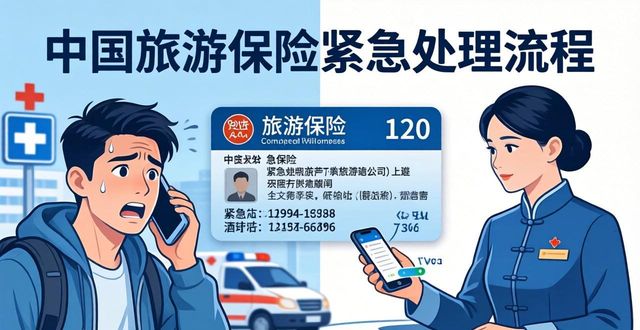
First, call 120 for an ambulance—operators may not speak English, so have your hotel’s reception or a Chinese-speaking friend ready to translate. While waiting, locate your insurance card and call the provider’s emergency hotline. They can direct you to an English-speaking doctor or an international hospital. Avoid public hospitals in small towns if possible; they often lack translation services and may demand cash payment immediately. Major cities have foreigner-friendly options like Beijing United Family or Shanghai Ruijin Hospital’s International Medical Center.
Second, keep every receipt and document. From ambulance fees to pharmacy purchases, you’ll need them for reimbursement. Take photos of prescriptions, discharge summaries, and even the hospital’s business card. Third, inform your insurer within 24 hours—many policies void coverage if you delay reporting. If you’re stable enough to travel, ask your insurance if they can arrange medical evacuation. One traveler who suffered appendicitis in Lhasa was airlifted to Bangkok for surgery, fully covered. Without insurance, that flight alone would have cost $45,000. Remember: never sign a “waiver of liability” pushed by local clinics without calling your insurer first.
Now here’s a question for you: Have you ever faced a medical emergency or trip disaster abroad that made you wish you had better travel insurance? Share your story in the comments below to help fellow travelers avoid the same mistake—and don’t forget to like and share this guide with friends planning a China adventure.