
China’s travel costs in 2026 remain surprisingly affordable for most international visitors, though prices have risen moderately from pre-2020 levels. A typical mid-range traveler spends between 400 and 800 CNY (55–110 USD) per day, covering comfortable accommodation, local food, public transport, and entry to major attractions. Budget backpackers can manage on 200–350 CNY (28–48 USD) daily, while luxury travelers might exceed 1,500 CNY (200+ USD). Understanding where your money goes – and where you can save – makes the difference between a stressful trip and an unforgettable one. Below we break down real expenses for flights, hotels, food, transport, and attraction tickets.
How much is a flight to China in 2026

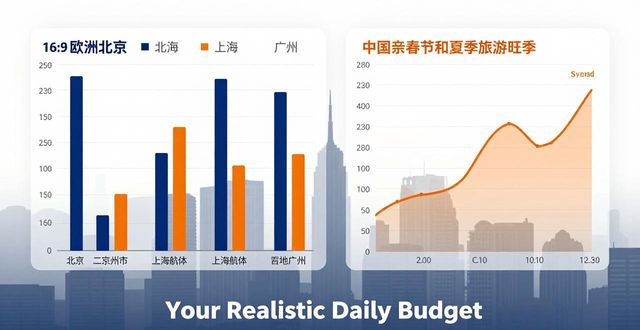
Round-trip economy flights from North America or Europe to major Chinese gateways like Beijing, Shanghai, or Guangzhou range from 800 to 1,200 USD in low season (February–April, October–November) and 1,300 to 1,800 USD in peak summer or around Chinese New Year. Flying into secondary hubs such as Chengdu,Xiamen, or Xi’an sometimes saves 200–300 USD, especially with connecting flights via Seoul, Tokyo, or Doha. Booking six to eight weeks ahead yields the best deals, and Tuesday or Wednesday departures consistently cost 15–20% less than weekend flights. For travelers already in Asia, budget carriers like AirAsia and Spring Airlines offer flights from Bangkok, Kuala Lumpur, or Singapore for as low as 80–150 USD one-way.
Average hotel cost per night in China
Budget hostels and basic guesthouses charge 50–120 CNY (7–16 USD) per night for a dorm bed or private room with shared bathroom, widely available in tourist cities like Guilin, Lijiang, and Zhangjiajie. Mid-range three-star hotels or well-rated local boutiques cost 200–400 CNY (28–55 USD) per night, offering clean rooms, en-suite bathrooms, free WiFi, and often breakfast. Four-star international chains (Holiday Inn, Marriott) in city centers run 500–800 CNY (70–110 USD), while five-star luxury properties in Shanghai or Beijing easily exceed 1,200 CNY (165 USD). A smart tip: using Chinese apps like or Meituan shows rates 10–30% lower than international booking sites. Hostels also offer private twin rooms for two people at roughly double the dorm price – an excellent value.
Food and drink prices for travelers
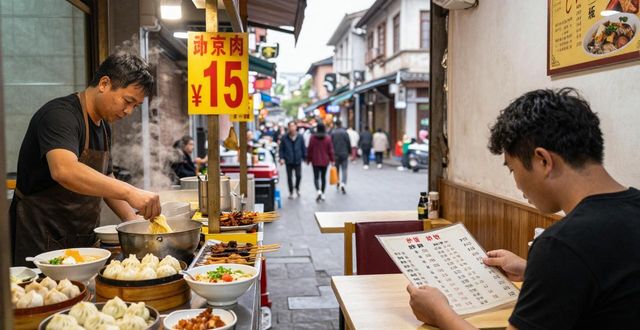
Street food remains China’s best bargain: jianbing (savory crepe), baozi (steamed buns), or noodle bowls cost 8–15 CNY (1–2 USD) per meal and are both filling and safe in busy stalls. Local casual restaurants serving regional dishes (mapo tofu, kung pao chicken, dumplings) charge 30–60 CNY (4–8 USD) per person for a satisfying meal with rice and tea. Mid-range sit-down places with English menus and air conditioning cost 70–120 CNY (10–16 USD) per person. A beer in a local eatery is 6–10 CNY (0.80–1.40 USD), while at a fancy rooftop bar in Shanghai or Shenzhen you pay 40–60 CNY (5.50–8 USD). Bottled water (500ml) costs 2–3 CNY at convenience stores like FamilyMart or Lawson. Western food is consistently pricier – expect 100–150 CNY (14–20 USD) for a burger and fries. To save money, eat where locals queue, and carry a reusable water bottle with a built-in filter (tap water is not drinkable, but hot boiled water is free at hotels and many restaurants).
Transport costs: high-speed rail, subway, and ride-hailing

China’s high-speed rail network is both fast and reasonably priced. A second-class seat from Beijing to Shanghai (4.5 hours, 1,318 km) costs 553 CNY (76 USD) – cheaper than a flight when you include airport transfers. For shorter trips like Chengdu to Chongqing (1 hour), tickets are just 96 CNY (13 USD). Overnight sleeper trains on conventional lines (hard sleeper berth) cost 150–300 CNY (21–41 USD) for routes like Xi’an to Lhasa or Guangzhou to Kunming. Subway systems in Tier-1 cities charge 3–8 CNY per ride (0.40–1.10 USD), and buses run 1–2 CNY (0.15–0.30 USD). Ride-hailing via Didi (China’s Uber) is extremely convenient: a 10-km city trip typically costs 25–40 CNY (3.50–5.50 USD), much cheaper than taxis hailed on the street. Avoid renting a car as an international traveler – you need a Chinese license, and traffic rules differ significantly.
China’s cost landscape rewards planning and local knowledge. The biggest hidden expense is usually attraction tickets – major sites like the Forbidden City (60 CNY), Great Wall at Mutianyu (45 CNY + cable car 120 CNY), or Terracotta Warriors (120 CNY) are modest, but private tours or English guides add 200–500 CNY per day. Also factor in visa fees (about 140 USD for US citizens) and travel insurance (30–50 USD). Now here’s a question for you: What part of traveling in China worries you most about your budget – flights, hotels, food, or unexpected fees? Share your thoughts in the comments, and don’t forget to like and share this guide with fellow travelers planning their 2026 China adventure!