
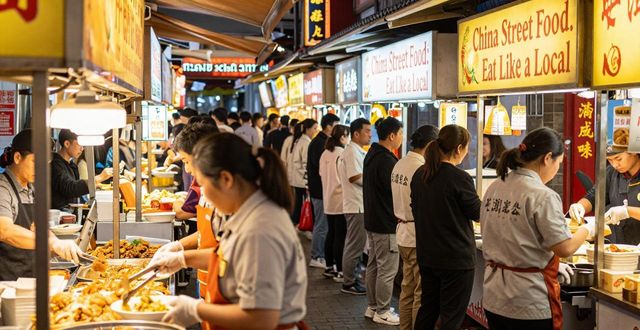
Street food in China is more than just a quick bite—it’s a vibrant window into the country’s diverse cultures, regional flavors, and daily life. For foreign travelers, navigating the bustling night markets and sizzling carts can be both exciting and intimidating. This guide will help you understand what to expect, how to choose safe and delicious options, and which classic dishes you absolutely must try. From spicy Sichuan snacks to delicate Cantonese dim sum, China’s street food scene offers an unforgettable culinary adventure.
Is Chinese street food safe to eat

Yes, but with common sense. Most street food in China is perfectly safe if you follow a few simple rules. First, look for stalls with long queues of local customers—high turnover means fresh ingredients. Second, observe the vendor’s hygiene: are they wearing gloves or using tongs? Is the cooking area reasonably clean? Avoid stalls where raw and cooked foods touch the same surfaces. Third, always eat food that is cooked fresh and served piping hot. Fried items, grilled skewers, and noodle soups are generally safer than cold dishes like salads or sliced fruits that may have been washed in tap water. Finally, trust your nose and eyes—if something looks or smells off, walk away.
What are the must-try street food dishes
Start with jianbing,a savory crepe made from mung bean batter, egg, crispy cracker, cilantro, and a sweet-spicy sauce. It’s a popular breakfast item across northern China. Next, try lamb skewers (yangrou chuan) from Xinjiang-style stalls—the meat is marinated in cumin and chili, then grilled over charcoal. In Chengdu or Chongqing, you cannot miss chuan’r (hot pot skewers) served in a bubbling spicy broth. For something milder, grab a bowl of wonton soup or roujiamo (Chinese hamburger), which is braised pork stuffed in a baked flatbread. Don’t forget tanghulu—candied hawthorn berries on a stick, offering a sweet and sour finish. Each region has its own specialties, so ask locals for their favorites.
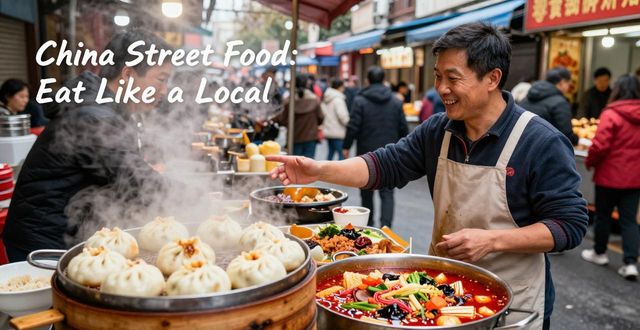
How to order street food without speaking Chinese
Non-verbal communication works surprisingly well. Most vendors display their ingredients and prices clearly. Simply point at what you want, then hold up fingers to indicate the quantity. For spice level, you can say “bu la” (no spice) or “wei la” (a little spice)—learning these two phrases goes a long way. Many street stalls in tourist-friendly areas have picture menus or English labels. You can also use a translation app like Google Translate or Pleco, showing the vendor Chinese characters. Carry small bills and coins, as mobile payment (WeChat Pay or Alipay) is common but may require a local bank account. Pointing at the price tag or showing your phone’s calculator with the amount works everywhere. Stay patient and smile—vendors are usually happy to help.
Where to find the best street food in China
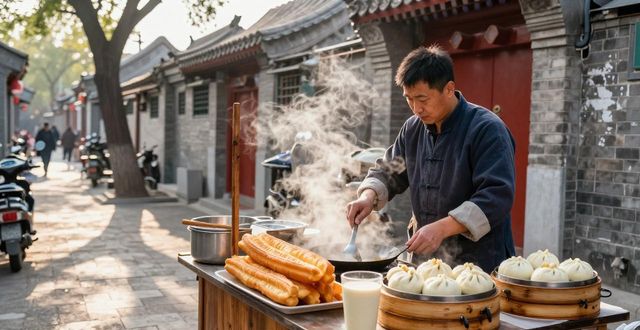
Every major city has famous food streets or night markets. In Beijing, head to Wangfujing Snack Street, though it’s touristy. For more authentic local eats, try the alleys around Huguosi Temple or the breakfast stalls in old hutongs. Shanghai’s Yunnan Road Food Street and the stalls near Jing’an Temple offer a mix of local and regional dishes. Xi’an’s Muslim Quarter is legendary for its hand-pulled noodles and roasted nuts. Chengdu’s Jinli Ancient Street and Kuanzhai Alley serve fiery Sichuan snacks. Guangzhou’s Shangxiajiu Pedestrian Street has great Cantonese dim sum and congee. Beyond these hotspots, simply wander through residential neighborhoods in the evening—that’s where you’ll find unmarked carts serving authentic, affordable food that locals love. Don’t be afraid to explore side streets away from major tourist landmarks.
What’s the most unusual or delicious Chinese street food you’ve tried, or which dish are you most excited to sample on your trip? Share your story in the comments, and don’t forget to like and share this guide with fellow food lovers