
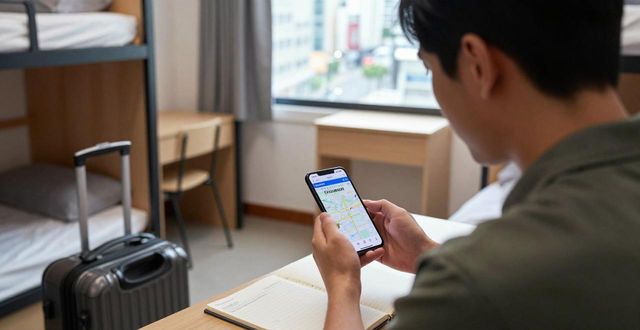
Traveling solo in China is an incredible adventure, but staying connected is essential for navigation, translation, booking trains, and sharing moments with family back home. A local China SIM card for solo travelers offers affordable data and reliable coverage, yet many visitors feel overwhelmed by the registration rules, network choices, and where to buy one. This guide walks you through everything you need to know – from purchase locations to cost – so you can land in China and get online within minutes.
Buy where?
You can buy a SIM card directly at international airports in Beijing, Shanghai, Guangzhou, and Chengdu. Look for official counters of China Mobile, China Unicom, or China Telecom near the baggage claim or arrival hall. These counters are open 24/7, and staff members are used to helping foreigners. Simply hand over your passport – they will scan it, take a photo, and activate the card in about ten minutes. Avoid buying from small convenience stores in tourist areas, as they often sell overpriced or expired cards.

For solo travelers who want to save money, visit a branded store (营业厅) in the city after settling into your hostel. Use a map app to find “China Mobile” or “China Unicom” – they are everywhere. Staff rarely speak English, so prepare by writing down your hotel address and the data plan you want in Chinese (e.g., “30-day, 20GB”). Some online platforms like Alipay also sell eSIMs before you arrive, but delivery requires a local address. Stick to airport or city stores for a smooth, hassle-free experience.
Best net?
China Mobile has the widest 4G and 5G coverage across the entire country, including remote areas like Zhangjiajie, Tibet, and the Gobi Desert. If your solo trip involves hiking or long-distance train rides through rural regions, Mobile is your safest bet. However, its plans are slightly more expensive than competitors. China Unicom offers faster data speeds in big cities such as Shanghai,Shenzhen, and Hangzhou, but signal quality drops significantly in mountains or small towns.
China Telecom sits in the middle – good coverage and fair prices, but some older smartphones (especially non-Asian models like US-sold iPhones) may not support its frequency bands. For most solo travelers who stick to cities and major tourist routes, Unicom is reliable and widely used by expats. If you plan to go off the beaten path, choose China Mobile. Always ask for a “tourist SIM” (旅游卡) – it comes with fixed data, no monthly contract, and easy top-ups through WeChat or Alipay.
eSIM type
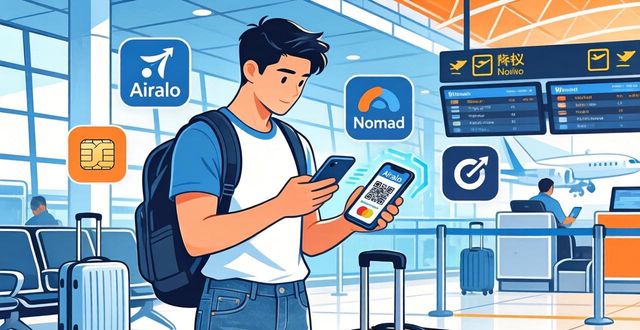
eSIM is the most convenient option for solo travelers who want to avoid language barriers and store visits. Services like Airalo, Nomad, Holafly, and Yesim allow you to buy a China data plan online before your flight. Installation takes less than two minutes – just scan a QR code or download a profile. No passport registration is required for these international eSIMs, though they often route data through servers outside China, making speeds slightly slower. eSIM works on recent iPhones (XS and newer), Google Pixels, and Samsung Galaxy flagships.
Physical SIM cards remain the better choice for long stays, typically over 30 days. A physical SIM with 50GB of local data costs around 100 RMB ($14), while the same data on a travel eSIM can cost double. Physical cards also give you a local Chinese phone number, which is useful for booking Didi rides, restaurant queues, or receiving delivery calls. However, eSIM lets you keep your home number active for WhatsApp and iMessage. For short trips (one to two weeks), eSIM saves time and hassle. For months-long adventures, go physical.
Cost plans
Typical tourist SIM plans range from 30 RMB ($4) for 7 days with 10GB to 150 RMB ($21) for 30 days with 60GB. China Unicom’s popular “Baiyun” travel card costs 50 RMB for 15GB valid for 15 days. China Mobile’s “Shenzhou” plan offers 20GB for 30 days at 80 RMB. All plans include local calls and texts within China, but international roaming is extremely expensive – turn off data roaming immediately and use WeChat for voice and video calls instead. Prepaid “top-up” cards are safest: you pay once and use until the data runs out.
Watch out for hidden fees. Some plans auto-renew monthly, and cancelling requires visiting a store or navigating the carrier’s Chinese-only app. Also, remember that China blocks Google, Facebook, Instagram, and many foreign news sites. A local SIM card will not bypass the Great Firewall – you need a separate VPN service set up before arrival. Budget an extra 30–50 RMB per month for a reliable VPN. Always test your VPN before landing, as many stop working inside China. With the right SIM and VPN, you’ll stay connected and safe on your solo journey.
Now I’d love to hear from you – what has been your biggest challenge when getting a SIM card in China as a solo traveler? Was it the registration process, language barrier, or choosing the right data plan? Share your experience in the comments below, and don’t forget to like and share this guide with fellow adventurers!