

Planning a vacation in China with kids, parents, or friends? A local SIM card is the smartest way to stay connected without paying huge roaming fees. You need reliable data for maps,translation apps, and quick chats with back home. I’ve used this setup for my own family trips, and it saves so much stress. Just grab one eSIM or physical card per phone before you land, and you’re set. No need to worry about expensive hotel Wi-Fi drops.
Do you need a SIM for every phone on your trip

This question pops up in every group chat I see from new travelers. The short answer is yes if everyone wants instant access. A single hotspot from one phone can get crowded and slow, especially if you’re ordering food via Meituan or tracking rides on Didi. When your phone dies, you’re stuck in a language barrier. Giving each family member their own connection keeps things running smoothly. We never ran into this issue because my niece had her own data plan. She used it to show us the best dumpling spots in Chengdu while we navigated streets with our phones.
It also matters for safety. If a child gets separated in a busy market like Beijing’s Wangfujing, you need to call them instantly. Relying on a shared connection can lag. A dedicated SIM ensures the call goes through. Prices are surprisingly low now. For a week of decent 4G/5G data, you’re looking at maybe $15 to $20 per person. That’s cheaper than a single day of hotel Wi-Fi in some premium districts.
Which providers are best for families
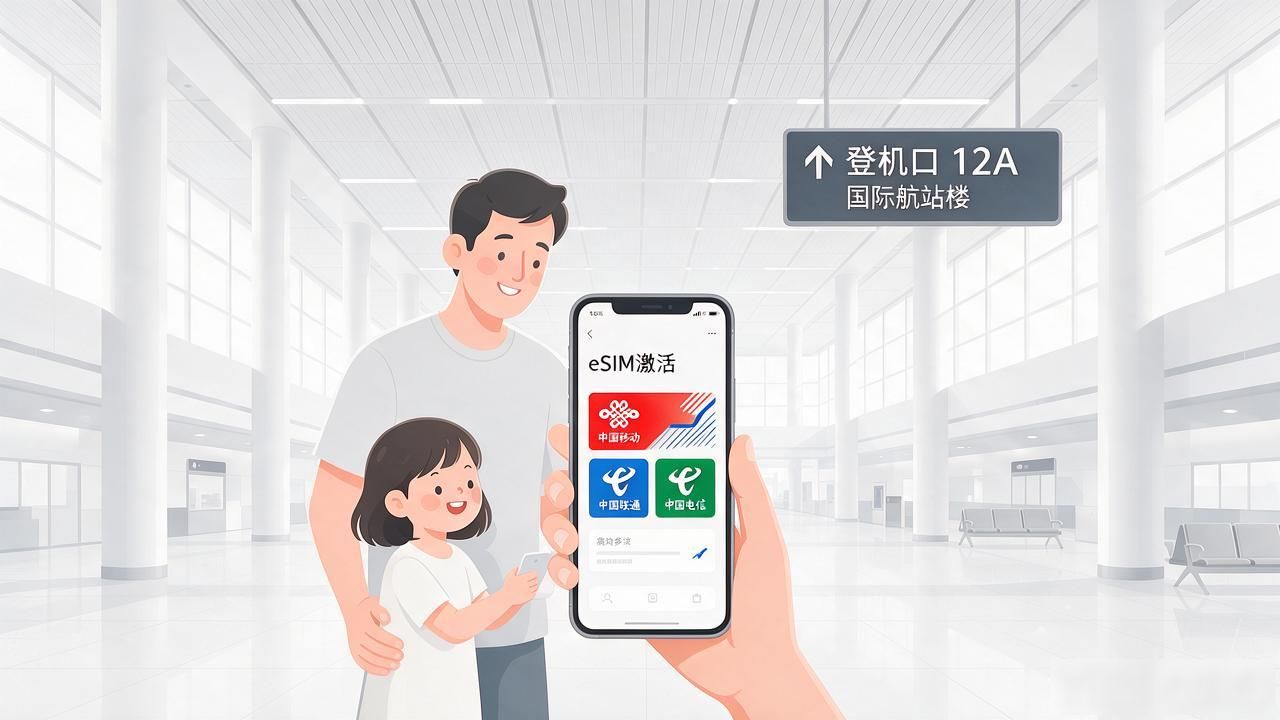
China has three major carriers: China Mobile, China Unicom, and China Telecom. For tourists, China Unicom often gets the nod. Their coverage in second-tier cities is solid, and their SIM cards are easy to buy at airports. But honestly, eSIMs have changed the game. You can buy them online before you fly. Providers like Airalo or Nomad offer data-only plans. No physical card to lose, no trip to a shop.
We tested a few. The eSIMs worked seamlessly on my Samsung and my wife’s iPhone. My teenage daughter’s older Android needed a physical card. She picked up a China Unicom SIM at the Pudong airport terminal. The process took ten minutes. You need your passport. The staff speaks some English, and apps help with the rest. Buying a physical SIM for older phones is still the safest bet. Make sure you ask for a data-heavy plan, not a call-centric one. Most families live on WeChat and maps, not voice calls.
How to setup and use them smoothly
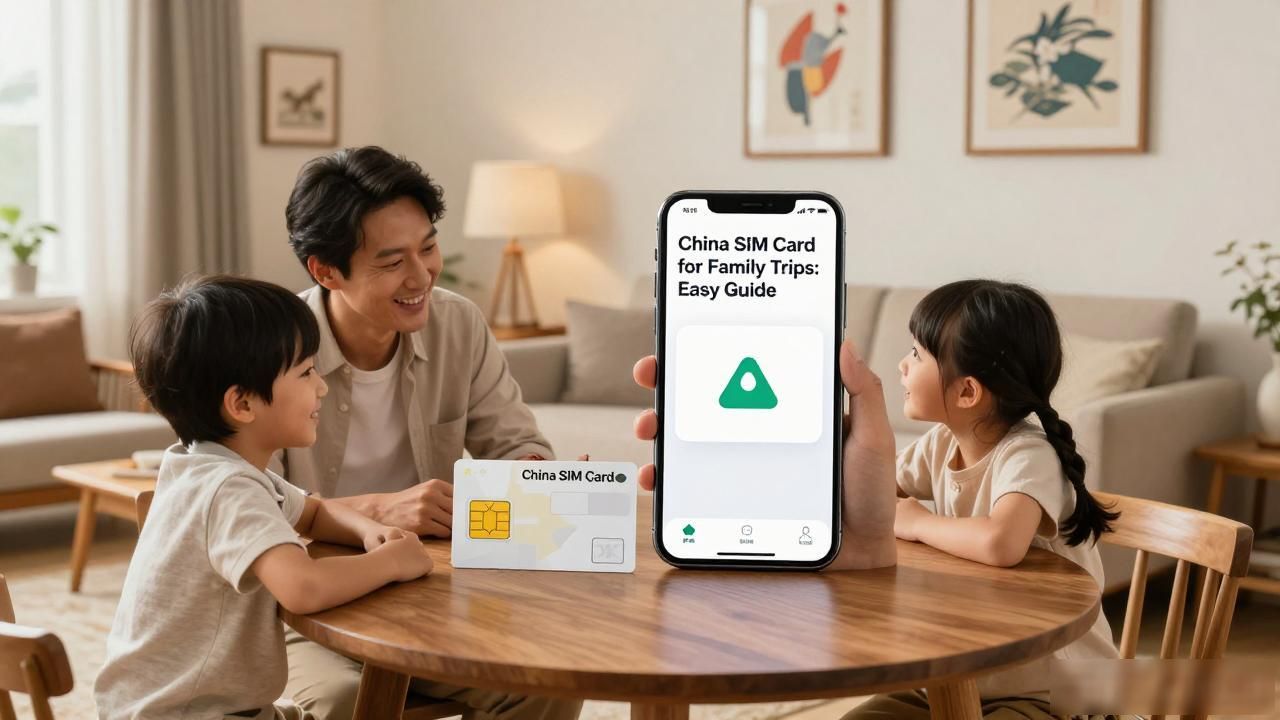
Don’t wait until you’re in a taxi to figure this out. Install the carrier’s app or a third-party eSIM manager before you leave home. In China, many services require real-name verification. You’ll link your passport in the app. It’s a quick photo upload. Once active, you can top up with WeChat Pay or Alipay. Set up those two payment apps while you’re still in your home country. It saves a headache later.
Staying connected isn’t just about data. It’s about ease. When the power goes out or the hotel Wi-Fi crashes, having mobile data means you can still call a driver or find a safe spot. Top up your data before it runs out to avoid unexpected cuts. It’s a minor step, but it prevents panic. Your family will thank you for not being offline in the middle of a hike near the Great Wall. Keep it simple, keep everyone linked, and enjoy the trip without digital anxiety.