
As someone who has guided over two hundred foreign groups across China, I can say with confidence that visiting this country is one of the safest travel decisions you can make. China safety travel should not be a concern for most visitors, yet it remains the number one question I hear before every trip begins. Let me share what the reality actually looks like.
Is China Safe for Foreign Travelers?
The short answer is yes,absolutely yes. China records one of the lowest violent crime rates in the world. In fifteen years of organizing trips here, I have never witnessed a tourist get mugged, assaulted, or seriously threatened. The streets of Shanghai, Beijing, and Xi’an glow with life well past midnight. Solo female travelers report feeling completely comfortable walking alone in major cities.

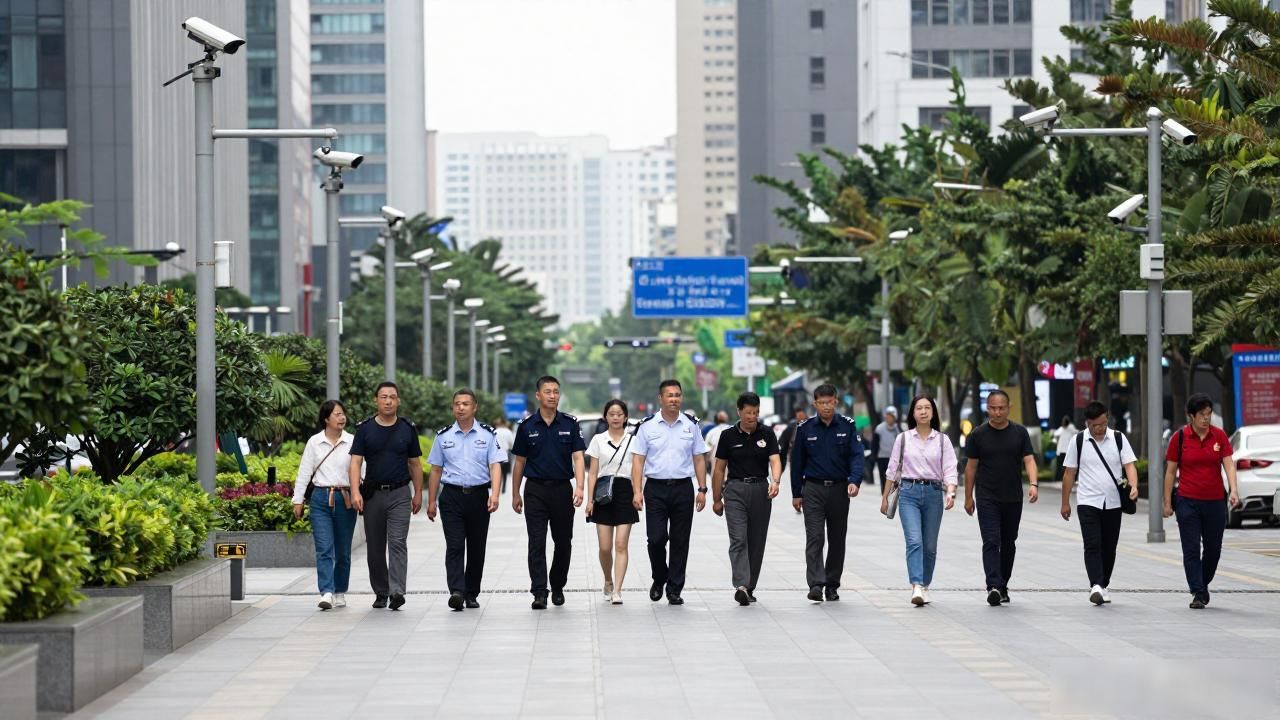
What foreign visitors often misunderstand is the relationship between strict governance and personal safety. Heavy surveillance cameras, strict gun control, and disciplined public order create an environment where crime simply does not thrive. Most travelers feel safer in Chinese cities than they do in their own home countries. Petty theft exists anywhere in the world, but even pickpocketing is far less common here than in European destinations that routinely appear on safety warnings.
Another practical advantage is the widespread use of cashless payments. Visitors quickly adapt to WeChat Pay and Alipay, and carrying large sums of money becomes unnecessary. This reduces one major motivation for theft and makes daily transactions smoother than many tourists expect.
What Safety Measures Should Tourists Take in China?
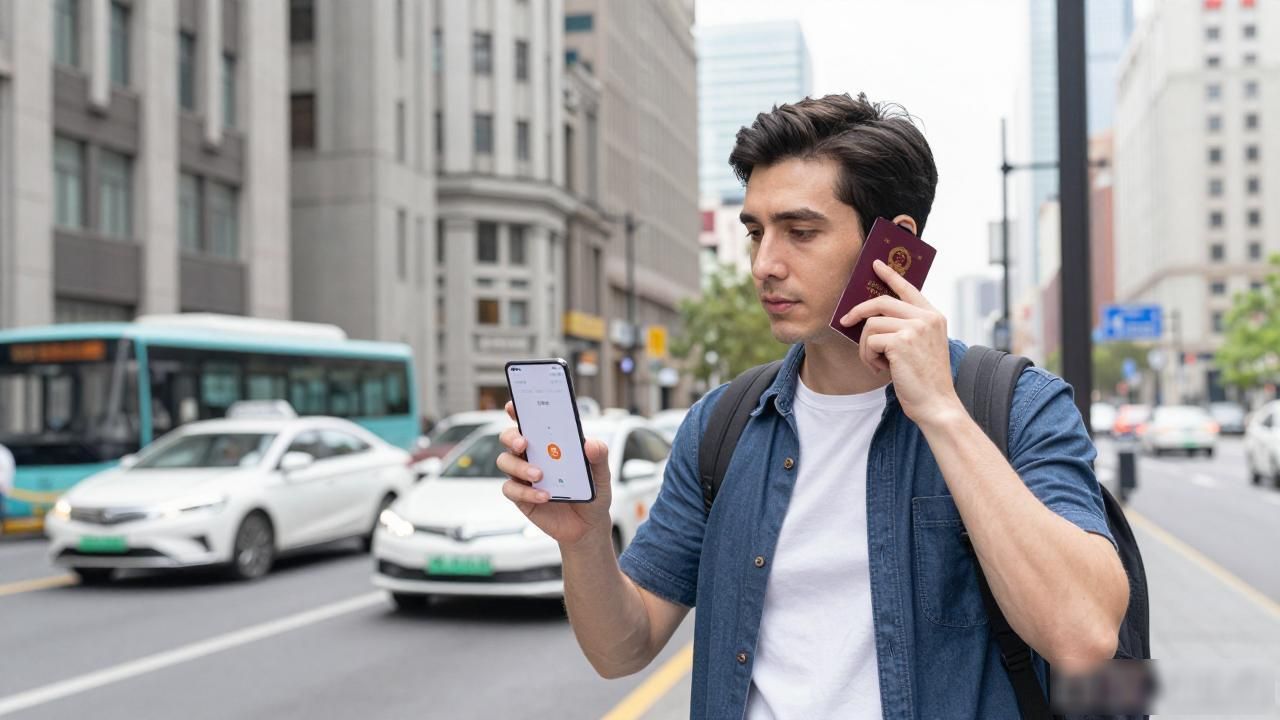
Like any travel destination, basic awareness still matters. Keep your passport in a hotel safe and carry a photocopy or digital scan instead. This is standard practice worldwide and applies just as much in Beijing as it does in Paris or Tokyo. When using ride-hailing apps like DiDi, always verify the license plate before entering the vehicle.
Stay aware of your surroundings in crowded tourist areas, especially during peak holiday seasons when places like the Forbidden City or the West Lake in Hangzhou become densely packed. Scams targeting foreigners are rare but not nonexistent. Overly friendly strangers who invite you to expensive tea ceremonies or tailors shops should be politely declined.
Travel insurance is essential and widely recommended by experienced tour operators. Medical care in major Chinese cities is modern and competent, though English-speaking doctors remain limited outside top-tier hospitals. A phrasebook or translation app proves invaluable when you need to explain symptoms or read a pharmacy label.
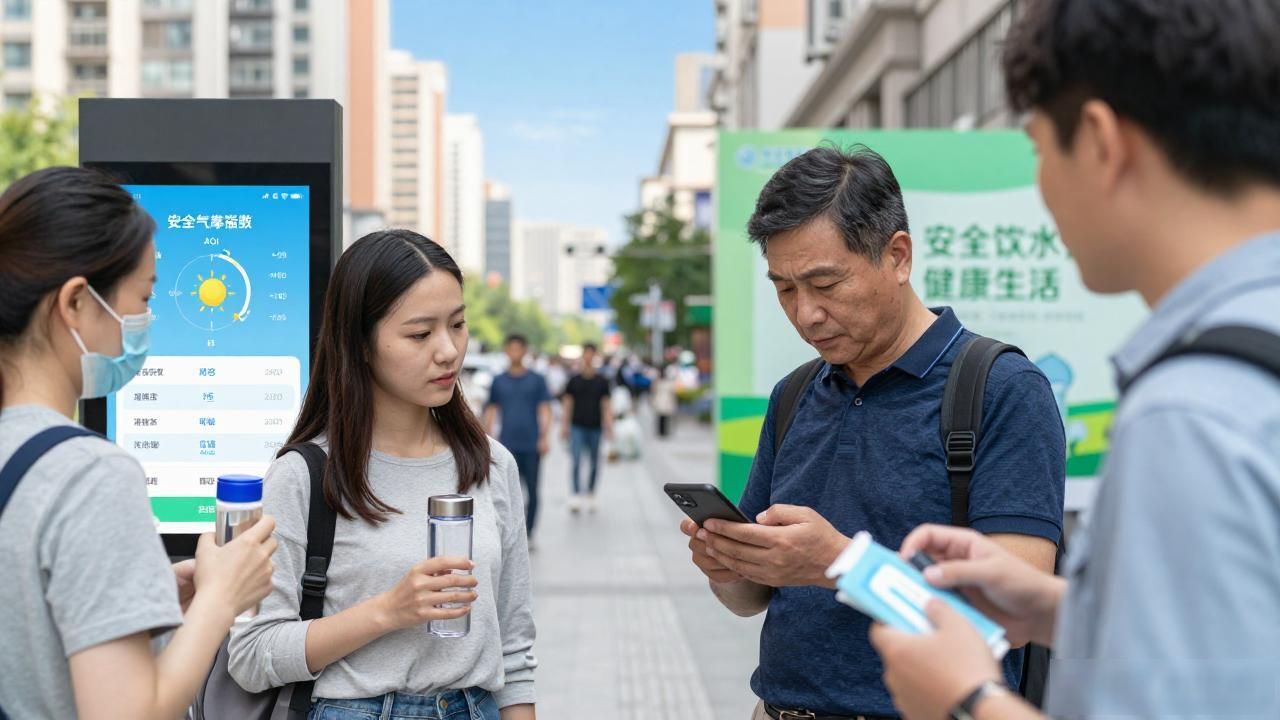
Health precautions include carrying basic medications and staying hydrated. Air quality varies significantly between cities and seasons, so visitors with respiratory conditions should check forecasts before outdoor activities. In rural areas where clean drinking water may be less reliable, sticking to bottled water prevents unnecessary illness.
Food safety deserves attention too. Street food is generally safe and delicious, but choosing vendors with high turnover ensures freshness. Restaurants in tourist zones undergo regular health inspections, and the popularity of delivery platforms means busy eateries tend to maintain quality standards.
Chinese emergency numbers are straightforward to remember: 110 for police, 120 for medical emergencies, and 119 for fire. Most hotel front desks and tour guides can dial these numbers in English if needed. Public transportation systems including subways and high-speed trains are clean, punctual, and secure, making them the preferred choice for most visitors navigating unfamiliar cities.