
China’s remote villages hold a quiet magic that the fast-paced cities can never replicate. After spending months traveling through Yunnan, Guizhou, and Sichuan provinces, I’ve come to understand that these places are not frozen in time, but rather living communities where tradition and modernity coexist in surprising ways. For travelers seeking something beyond the usual tourist trail,China’s countryside offers experiences that stay with you long after you leave.
What Do People Eat in Remote Chinese Villages
The food in rural China is fundamentally different from what you’ll find in urban restaurants. Most village meals center around locally grown ingredients cooked with methods passed down through generations. In a small village near Dali, I learned that families still preserve vegetables using ancient techniques—pickling cabbage in large clay jars and smoking pork over open fires during winter months.

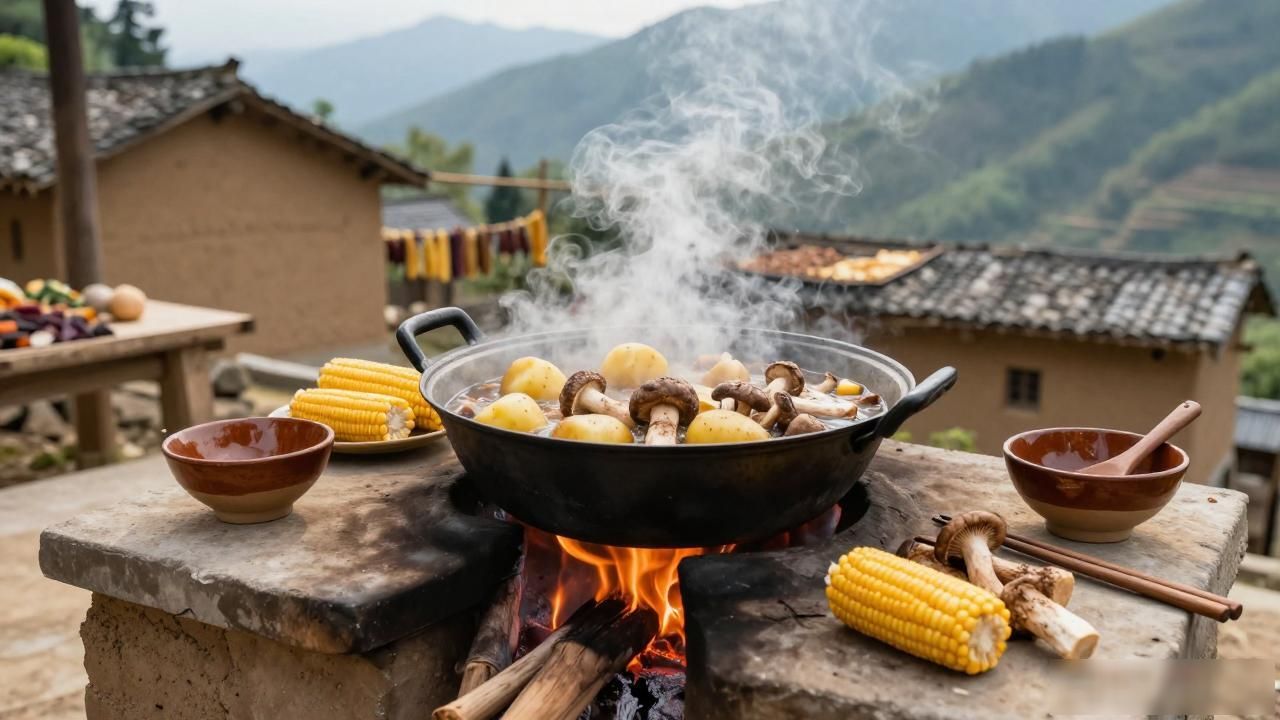
Every region has its own signature dishes shaped by geography and climate. Mountain villages rely heavily on potatoes, corn, and wild mushrooms, while villages near rivers incorporate fresh fish into their daily cooking. Meals are simple but deeply flavorful, often prepared over wood-fired stoves that give everything a distinct smoky taste. Visitors are usually welcomed into family homes and offered whatever the household is preparing for dinner.
How Hard Is It to Travel to Remote Villages
Reaching these destinations requires patience and flexibility. Many villages sit at the end of unpaved roads that become nearly impassable during the rainy season. Buses run infrequently, sometimes just once or twice a day, and schedules change with the weather rather than any fixed timetable.
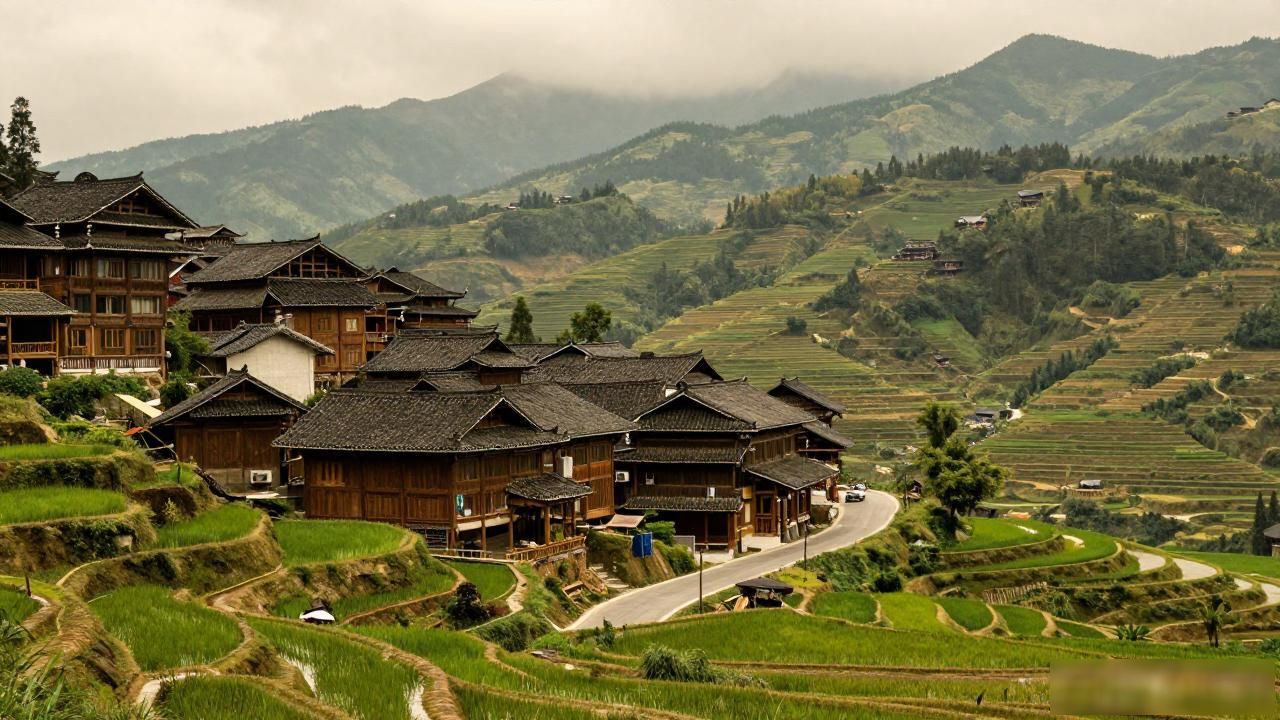
Transportation challenges mean fewer tourists reach these areas, which preserves their authenticity. When roads were recently improved in some parts of Guizhou province, I noticed a visible increase in outside visitors within months. Many villagers expressed mixed feelings about this change—appreciating better access to markets and healthcare while worrying about losing the quiet character that drew them to stay in the first place.
What Makes Chinese Villages Unique
The social fabric of rural China operates on principles quite different from urban life. Elders hold respected positions in village decisions, and communal activities like farming festivals or temple celebrations bring entire populations together. Children grow up knowing every neighbor by name and spend their days playing outside with minimal supervision.
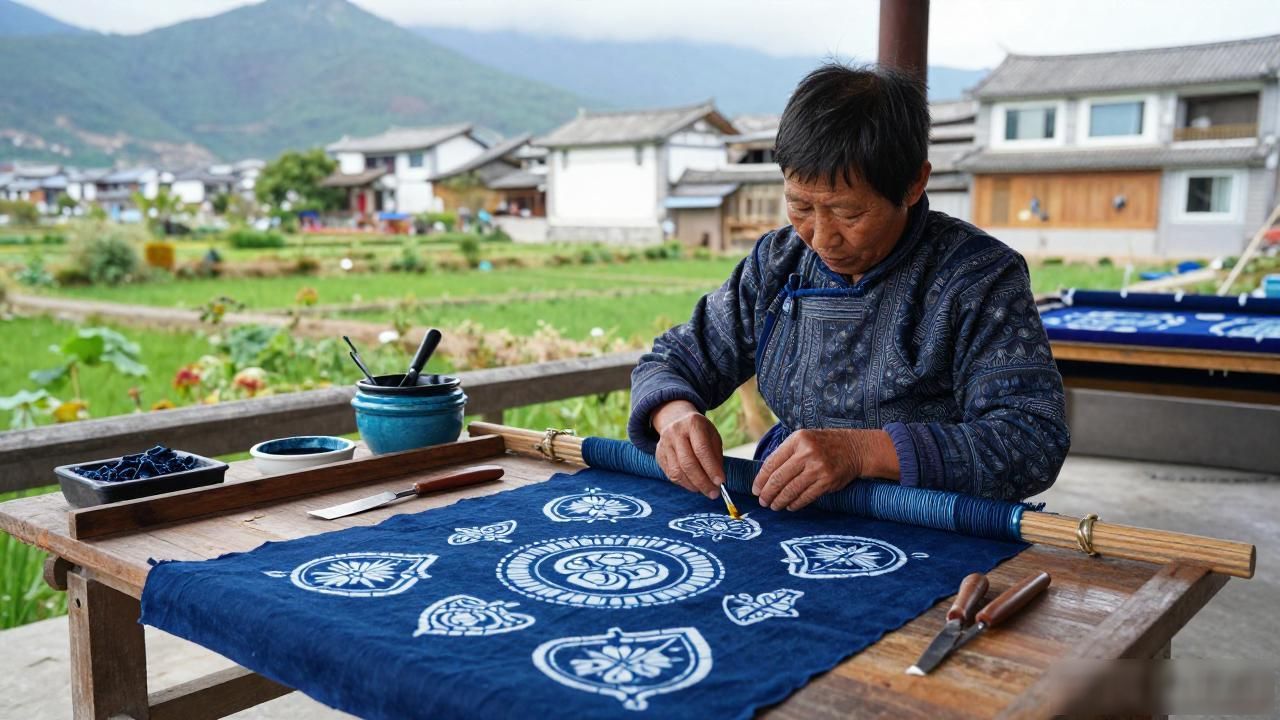
Traditional crafts still thrive in certain villages. Weavers in Yunnan produce intricate batik textiles using designs that have remained unchanged for centuries. Each pattern carries specific meaning, often telling stories about local history or spiritual beliefs. Buying directly from artisans ensures fair compensation while keeping these skills alive for future generations.
The pace of life here demands adjustment. Dawn arrives with roosters rather than alarm clocks, and afternoon heat often brings a long rest period before evening activities resume. Visitors who embrace this rhythm rather than fight it tend to have the most rewarding experiences. Rural China offers a window into ways of living that industrialization has largely erased elsewhere, making every journey to these remote villages feel both educational and deeply human.