
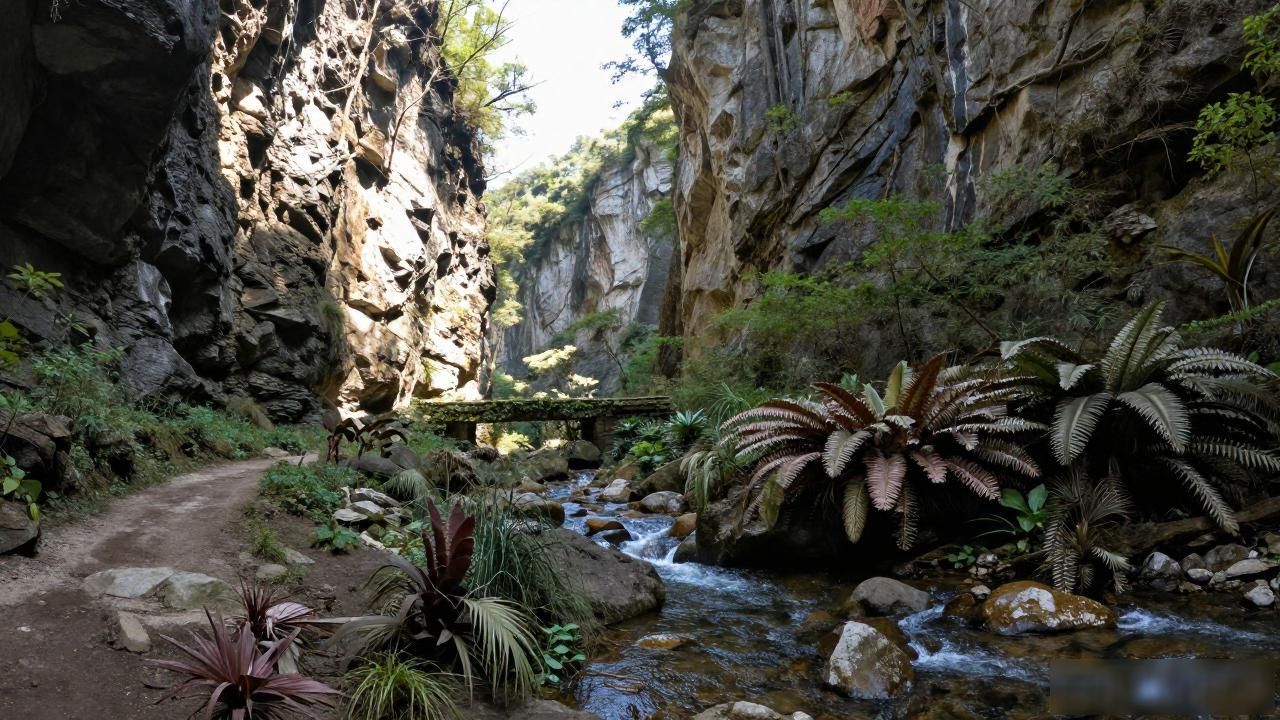
When travelers think of China’s breathtaking landscapes, the same handful of places usually come to mind — the karst peaks of Guilin, the Yellow Mountains of Huangshan, the Giant Pandas of Chengdu. These spots are absolutely stunning, but they are also packed with tourists year-round. The good news is that China spans over 9.6 million square kilometers, and there are countless natural wonders far away from the typical tourist trail. If you want to experience raw, untouched beauty without shoulder-to-shoulder crowds, this guide is for you.
Best Underrated Natural Wonders In China

Gannan Tibetan Autonomous Prefecture in Gansu Province sits at an altitude of roughly 3,000 meters and borders the Qinghai-Tibet Plateau. This area is home to Labrang Monastery, one of the most important Tibetan Buddhist centers outside of Tibet, surrounded by rolling grasslands and distant snow-capped peaks. The landscape here looks like a scene from another world. You will see herds of yaks scattered across golden meadows, nomadic families setting up colorful tents, and ancient monasteries carved into red cliffs. Most international visitors skip this region entirely, heading straight to Qinghai Lake or Lhasa instead. Gannan offers a deeply spiritual atmosphere combined with some of the most dramatic plateau scenery on the planet.
Another hidden treasure lies in the Chaka Salt Lake area of Qinghai Province during the shoulder seasons. While Chaka has gained popularity since becoming a social media hotspot, visiting in late spring or early autumn means you can still enjoy the mirror-like surface reflecting the blue sky without massive crowds. The salt flats stretch for miles, creating an otherworldly landscape that feels almost alien. Travelers often compare the experience to Bolivia’s Salar de Uyuni, but with far fewer people and a completely different cultural backdrop.
How To Travel Off The Beaten Path In China
Getting to these remote destinations requires a different approach than visiting the usual attractions. Domestic flights to smaller airports like Xiahe or Yushu are limited, so you may need to connect through major hubs like Xi’an or Lanzhou. From there,hiring a local driver or joining a small-group tour is the most practical option. The roads in western China have improved significantly in recent years, but distances between towns are enormous, and bus schedules can be unreliable.
Language barriers are less of an issue than you might think. Younger locals in rural tourism areas are often eager to practice English, and many hotel owners now use translation apps with ease. Carrying a printed version of your accommodation addresses in Chinese characters is essential, as taxi drivers in small towns will rarely speak any English.
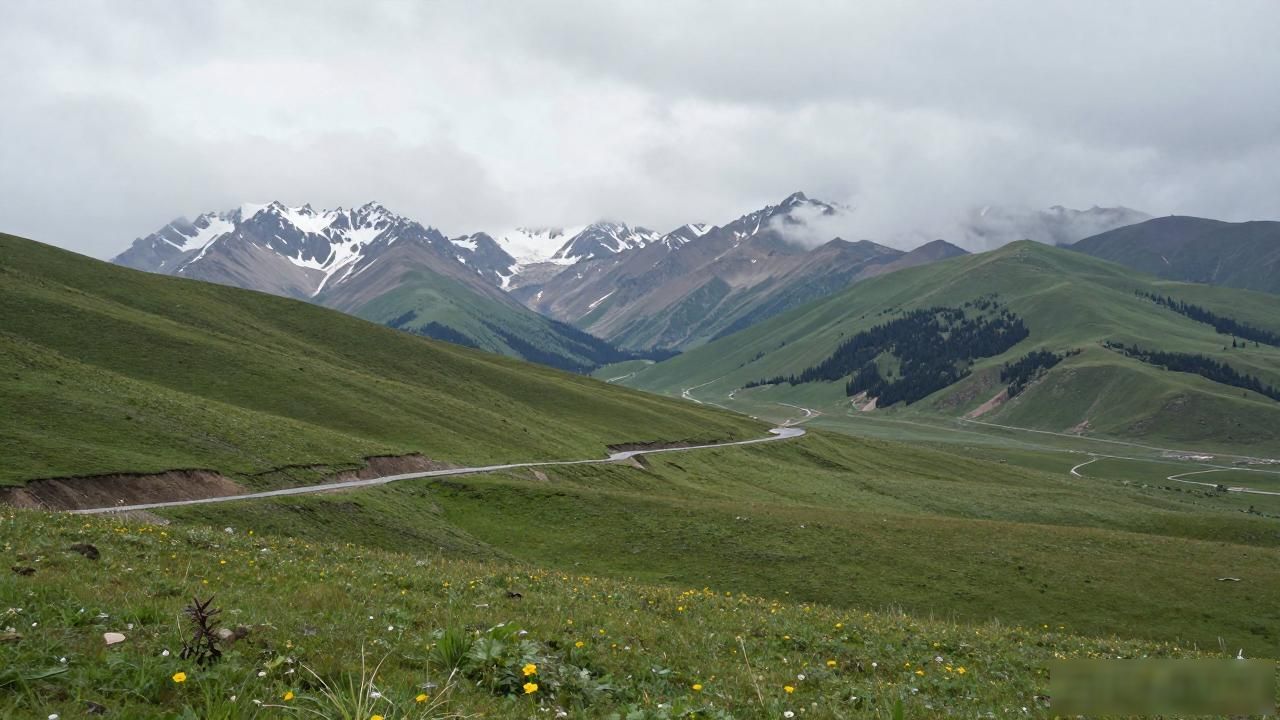
The best time to visit these regions depends on where you go. Western China’s high-altitude areas are generally accessible from May through October. Winter brings extreme cold and many roads close entirely. Budgeting two to three weeks gives you enough time to explore multiple regions without rushing. Pace matters more than checking boxes on a list when traveling through remote landscapes. Take the time to sit with local guides, ask about the land and its history, and let the journey unfold naturally rather than sticking rigidly to an itinerary.
China’s most memorable natural experiences do not require fighting through thousands of fellow visitors. The landscapes that stay with you longest are often the ones you stumble upon quietly, where the only footprints you see are your own.