
China’s high-speed rail network is the largest and most advanced in the world, connecting nearly every major city with stunning punctuality and speeds up to 350 km/h. For foreign travelers, buying tickets might seem daunting due to language barriers and the real-name registration system. But once you understand the process, it becomes straightforward. This guide covers where to buy, required documents, refund policies, seat classes, and practical travel tips to help you ride smoothly.
Where to buy China high speed rail tickets
The official source is the 12306 website or mobile app, which now has an English interface. You can register with your passport number, search routes, and pay with international credit cards like Visa or Mastercard. However, the app can be glitchy for foreigners. A reliable alternative is using authorized third‑party platforms such as or China Travel Depot. These sites charge a small service fee (usually $3–$5) but offer a smoother booking experience in English and accept PayPal.

You can also buy tickets at train station counters or self‑service kiosks. Major stations like Beijing South or Shanghai Hongqiao have English‑speaking staff and bilingual kiosks. But during holidays (e.g., Chinese New Year or October Golden Week), queues can be hours long. Avoid on‑the‑spot purchases if you have a tight schedule. Always book in advance—tickets open for sale 15 days before departure, and popular routes sell out quickly.
What ID do I need for China high speed rail tickets
A valid passport is mandatory for all foreign travelers. When booking online, you must enter your full name exactly as shown on your passport, along with your passport number. At the station, carry the same passport for identity checks. China’s high‑speed rail uses a real‑name verification system; if the name or number doesn’t match, you won’t be allowed to board. Also, keep a digital or printed copy of your booking confirmation—some smaller stations may ask to see it before letting you through the gate.
For children under 1.2 meters (about 4 feet) traveling with an adult, they can ride for free but without a seat. Children between 1.2 and 1.5 meters need a child ticket at half price, also linked to their passport. Infants require no ticket but still must be declared during booking. Unlike flights, you don’t need a visa for travel within China by train, but border police may check your passport sporadically at certain stations near borders.
How to refund or change China high speed rail tickets
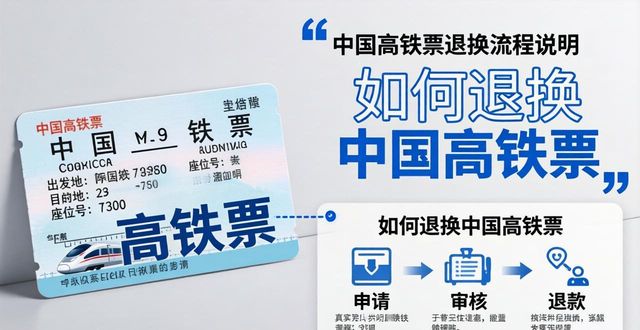
Refund and change policies are generous if you act early. Tickets can be cancelled or modified online up to 15 minutes before departure,but fees apply. More than 15 days in advance: 0% fee. 48 hours to 15 days: 5% fee. 24 to 48 hours: 10% fee. Less than 24 hours: 20% fee. Changes (called “endorsement”) are allowed once per ticket and must be done at least 15 minutes before the original train leaves. After that, you can only request a refund and buy a new ticket.
To process a refund, log into the platform where you bought the ticket. For 12306 direct bookings, refunds go back to your original payment method within 7–15 business days. Third‑party sites may have a faster process but deduct their service fee. At station counters, you can get cash refunds if you paid cash originally. Note that paper tickets (blue magnetic ones) must be physically returned to a counter for a refund if you collected them before cancelling. So it’s wise to keep tickets as e‑tickets until your journey ends.
What are the seat classes on China high speed rail
There are four main classes: second class, first class, business class, and soft sleeper (only on overnight routes). Second class seats are arranged 2+3 per row, with about 40 cm of legroom. They are comfortable for trips under 4 hours. First class seats are 2+2 per row, wider, with more legroom and power outlets—ideal for longer journeys. Business class seats recline nearly flat, come with complimentary snacks and drinks, and are usually at the front of the train. They cost about three times the second‑class fare.
Soft sleepers have four berths per compartment with a locking door, offered on overnight G and D trains. Each bed includes a reading light and USB port. For day trains, always book a seat class that matches your budget and travel time. Second class is perfectly fine for most travelers, but if you have large luggage, first class has a bit more storage space. Also note that quiet cars (with “silence” stickers) are available on some routes—do not talk on the phone there.
Have you ever tried booking China high‑speed rail tickets on your own? What part of the process worried you most—the language, the ID checks, or something else? Share your thoughts in the comments, and if this guide helped you, please give it a like and share it with fellow travelers.