
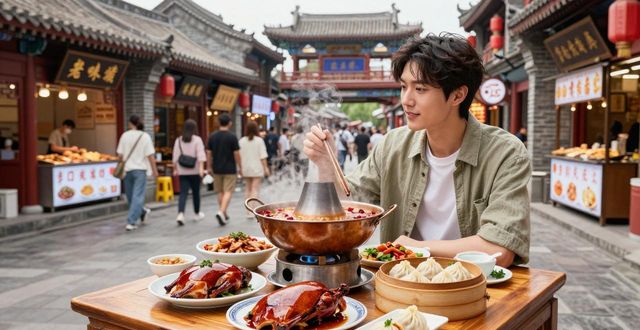
China is massive, and so is its food. A food tour here isn’t just about eating—it’s about understanding a culture through taste, smell, and texture. In seven days, I explored street stalls,family-run restaurants, and night markets across three cities. Every meal told a story. Here’s what happened and what you can expect on your own China food tour.
Why street food is the heart of a China food tour

The first thing I learned is that street food isn’t a snack—it’s a lifestyle. In Beijing, I walked through Wangfujing Night Market, where skewers of grilled lamb, squid, and even scorpions sizzled under bright lights. The lamb skewers were seasoned with cumin and chili, simple but unforgettable. I stood beside locals, eating with my hands, no forks in sight.
In Chengdu, the street food scene gets even more intense. I tried “dan dan noodles” from a cart run by an elderly woman. The noodles were chewy, the sauce was nutty and spicy, and the whole bowl cost less than a dollar. She didn’t speak English, but she smiled when I gave a thumbs up. That moment—sharing food without words—was the real experience.
What surprised me most was the variety. In Xi’an, I ate “yang rou pao mo,” a lamb soup with torn bread. You rip the bread yourself, then the chef pours hot broth over it. It’s interactive, messy, and delicious. Street food taught me that locals don’t care about presentation—they care about flavor. If you want real China food tour experiences, skip the fancy restaurants and find the crowded alleys.
How regional differences make every meal unique
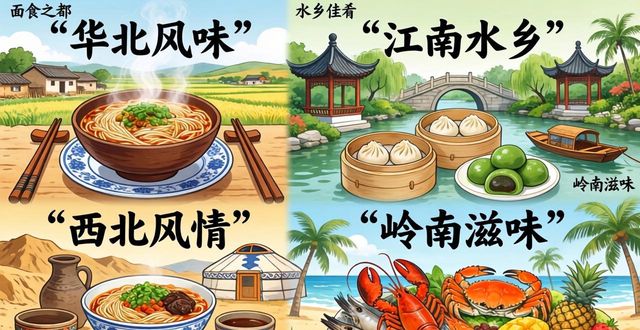
China’s food changes completely from city to city. In Beijing, the flavors are bold but not too spicy. The Peking duck was crispy, wrapped in thin pancakes with scallions and sweet bean sauce. I watched the chef slice the duck tableside, skin crackling under the knife. It was a performance, not just a meal.
Then I flew to Chengdu, and everything turned red. Sichuan cuisine is famous for “mala”—a numbing spiciness from Sichuan peppercorns and dried chilies. I ordered mapo tofu, expecting a mild dish. Instead, my tongue went numb for ten minutes. But I couldn’t stop eating. The tofu was silky, the sauce was rich, and the heat was addictive. Locals told me they eat spicy food even in summer to sweat out the heat. That logic made no sense until I tried it.
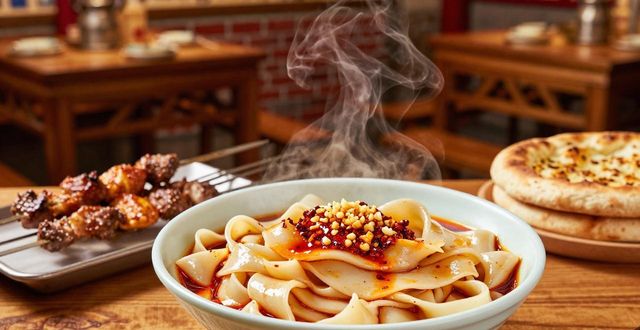
In Xi’an, the influences come from Central Asia. Lamb and bread dominate. I ate “biang biang noodles,” thick hand-pulled noodles tossed in chili oil and garlic. The name comes from the sound the noodles make when slapped against the counter. The texture was unlike any pasta I’ve had. Every region has its own staple, its own spice mix, its own cooking method. A China food tour isn’t one experience—it’s a dozen different food cultures packed into one trip.
By the end of the week, my stomach was full and my mind was blown. I learned that Chinese food isn’t just about eating—it’s about community, tradition, and adventure. If you’re planning your own tour, my advice is simple: eat what the locals eat, go where the crowds are, and never say no to a street vendor. Your taste buds will thank you.