
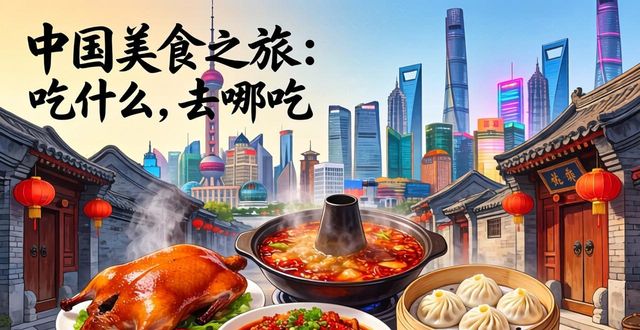
A China food tasting tour is one of the most exciting ways to experience this vast country. Chinese cuisine is not just about dumplings and fried rice – it’s a universe of regional flavors, cooking techniques, and eating rituals that have evolved over thousands of years. Whether you are a first-time visitor or a seasoned traveler, planning a food-focused trip can feel overwhelming because every province claims to have the best dishes. This guide will help you navigate the most delicious stops, understand local food culture, and make the most of your culinary adventure across China.
What makes Chinese cuisine so diverse

The diversity of Chinese food comes from geography, climate, and history. Northern China relies heavily on wheat because the cold, dry climate is perfect for growing it. That’s why you find noodles, steamed buns, and dumplings as staples in Beijing and Xi’an. Southern China, with its warm and wet weather, produces rice in abundance, so rice noodles and congee dominate menus from Guangzhou to Hong Kong. In the mountainous west, like Sichuan and Hunan, people used strong spices like chili and Sichuan peppercorns not just for flavor but also to preserve food and remove humidity from the body. This practical adaptation created the legendary numb-and-spicy taste that foreign travelers often find unforgettable. Meanwhile, coastal regions like Zhejiang and Fujian emphasize fresh seafood and gentle, light seasonings, showing how close proximity to the sea shapes local cooking.
How to plan your food tasting itinerary
Start by choosing two or three cities that represent different culinary regions. For a 10‑day tour, consider Beijing (northern, wheat‑based, imperial influences),Chengdu (southwestern, bold and spicy), and Guangzhou (southern, delicate and fresh). Do not try to visit too many places – food tasting requires time to digest both the food and the culture. Book a food tour with a local guide for your first day in each city; they know which stalls have the cleanest kitchens and the most authentic recipes. Also check if any famous restaurants require reservations weeks in advance, especially for Peking duck or hot pot. Leave room for spontaneous discoveries because many of China’s best eats come from tiny hole‑in‑the‑wall shops that do not appear on Western review apps. Learn a few basic phrases like “bú là” (not spicy) if you cannot handle heat, and always carry cash since some street vendors do not accept cards.
Must‑try dishes in each region
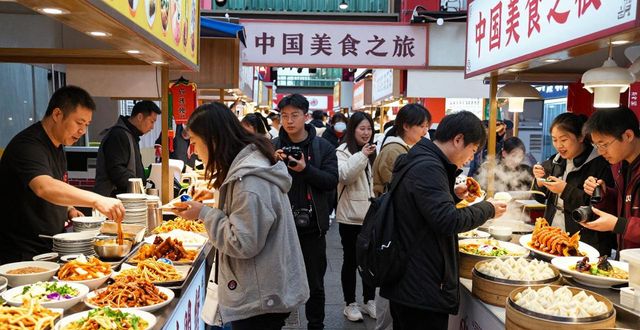
In Beijing, you cannot skip Peking duck with its crispy skin, thin pancakes, and sweet bean sauce. Order it at a proper roast duck restaurant where the chef carves the bird tableside. In Shanghai, sample xiaolongbao – soup dumplings filled with pork and rich broth. Bite carefully to avoid burning your tongue. Travel west to Chengdu and you must try hot pot with a bubbling, oil‑slicked broth full of chili and numbing peppercorns. Dip thinly sliced beef, mushrooms, and leafy greens into the pot, then into a sesame oil dip to cool the heat. In Xi’an, the Muslim Quarter offers roujiamo (Chinese burger with spiced pork or beef) and biangbiang noodles – wide, chewy ribbons tossed with chili oil and garlic. For a lighter option, head to Guangzhou for dim sum: har gow (shrimp dumplings), siu mai (pork dumplings), and egg tarts. Each region also has unique street snacks like stinky tofu (Changsha), grilled oysters (Zhanjiang), or sugar‑coated hawthorn sticks (Beijing), so be adventurous.
Tips for a successful food tasting tour
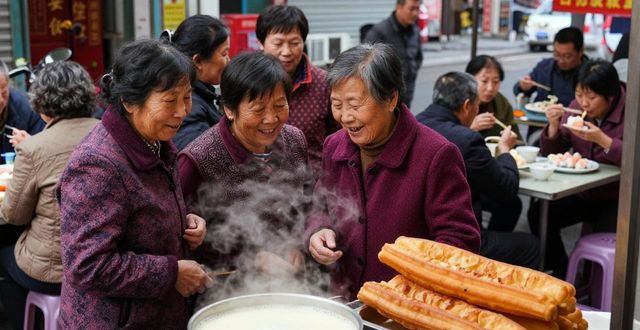
Always observe where locals line up. A long queue of Chinese grandmas is a better review than any five‑star rating online. Eat breakfast like a local – warm soy milk with fried dough sticks, or rice rolls with shrimp. This fuels you for a day of walking and snacking. Avoid raw salads or unpeeled fruits from street vendors unless you see them being washed with bottled water. Drink only bottled or boiled water, and bring digestive medicine just in case. Share dishes whenever possible; Chinese meals are family‑style, and tasting half a portion of ten different items beats a full plate of one thing. Finally, be polite when taking photos of food or chefs – a quick smile and a nod go a long way. Many small restaurants will be thrilled that a foreign visitor appreciates their cooking, and they might even offer you a free taste of something not on the menu.
Have you ever tried a dish in China that completely changed the way you think about food? Share your experience in the comments below, and don’t forget to like and pass this guide to fellow food lovers who are planning their own China food tasting tour.