
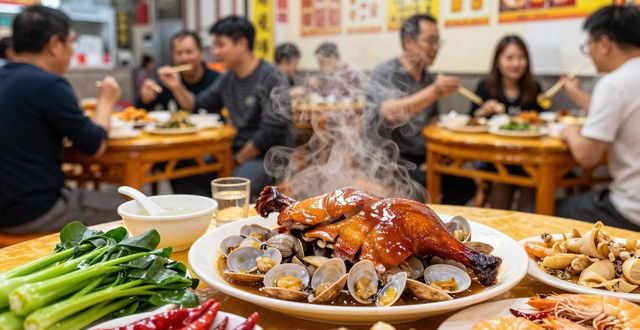
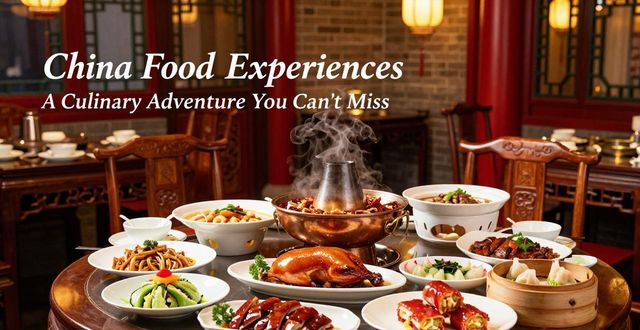
China’s food culture is one of the world’s oldest and most diverse. From sizzling street stalls to lavish banquet dishes, every meal tells a story of history, geography, and local life. For travelers seeking authentic China food experiences, the journey goes far beyond famous dishes like Peking duck or dim sum. It’s about understanding how rice shapes southern meals, why noodles dominate the north, and what a shared hotpot means for family bonds. This article will guide you through real, unforgettable food adventures across China.
Where to find authentic street food in China
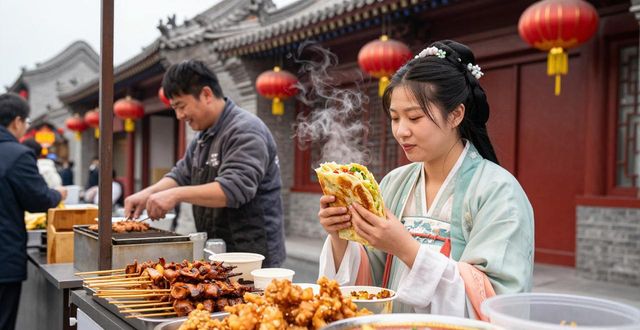
Street food is the heartbeat of Chinese cities. In Xi’an, the Muslim Quarter offers lamb skewers grilled over charcoal, hand-pulled noodles in spicy broth, and the famous roujiamo – often called the Chinese hamburger. These stalls have been run by the same families for generations. To find authentic spots, look for long queues of local office workers, not tourists. In Chengdu, small carts selling chuan’er (skewers) appear after dark near residential alleys. The best rule: if you see grandmas buying it, you’re in the right place.

Taiwan’s night markets aside, mainland cities like Guangzhou have dai pai dongs (open-air food stalls) where you can try stir-fried clams with black bean sauce or roast goose dripping with honey. Avoid restaurants with English menus and picture boards – they often raise prices and lower quality. Instead, learn a few phrases like “zhe ge duo shao qian” (how much is this) and point at what looks popular. Street food is not only cheap (often under 20 RMB) but also gives you a direct connection to local cooking techniques and ingredients.
What are the must-try regional dishes
China’s eight great cuisines offer wildly different experiences. In Sichuan, try mapo tofu – silky bean curd in a fiery sauce of fermented bean paste and Sichuan peppercorns. The peppercorns create a unique numbing sensation called “ma.” For a milder adventure, head to Jiangsu and sample squirrel-shaped mandarin fish, a dish where the fish is carved, fried, and drenched in sweet-sour sauce. Each bite is crispy outside and tender inside. Don’t miss Cantonese morning tea in Guangdong: endless bamboo steamers filled with har gow (shrimp dumplings), siu mai (pork dumplings), and chicken feet in black bean sauce.
For northern tastes, Beijing’s zhajiangmian (noodles with fried soybean paste) is comfort food in a bowl. The sauce is slowly cooked with minced pork and served over thick hand-pulled noodles with shredded cucumber. In Xinjiang, you’ll find big plate chicken – a hearty stew of chicken, potatoes, and bell peppers with wide noodles underneath. And in Shanghai, xiaolongbao (soup dumplings) are a skill: pick them up with chopsticks, dip in vinegar,bite a small hole, sip the hot broth, then eat the rest. Each region reflects its climate and history, so every dish is a geography lesson.
How to eat like a local in China
Eating like a local starts with table manners. Never stick chopsticks upright into a bowl of rice – it resembles incense sticks used for funerals. Instead, rest them on a chopstick holder or across your bowl. When toasting with baijiu (Chinese liquor), hold your glass lower than someone older or more senior. Also, it’s polite to leave a little food on your plate at the end of a shared meal, as cleaning your plate implies the host didn’t provide enough. For hotpot, cook raw meats first, then vegetables, and always use the public chopsticks for raw ingredients.
Learn the rhythm of meals. Breakfast in China often includes warm soy milk with fried dough sticks, rice porridge with pickles, or steamed buns. Lunch is the main meal for many workers, often a quick bowl of noodles or rice with two vegetable dishes and one meat. Dinner is family time, with dishes placed in the center for sharing. When invited to a home, arrive on time and bring a small gift like fruit or tea. Don’t be shy about using your hands for dishes like crab or bones – locals do it too. And always accept the first cup of tea offered; refusing can be seen as rude.
Why food tours and cooking classes enhance your trip
Joining a food tour in a city like Kunming or Guilin saves you from guesswork. Local guides know which stalls have fresh oil, which noodle shops use bone broth boiled overnight, and how to order off-menu specialties. For example, in Lanzhou, a guide can take you to a beef noodle shop where you watch the chef pull dough into 128 strands. Food tours also handle dietary restrictions – just tell them in advance about allergies or vegetarian needs. Prices range from $30 to $100 per person, which includes 6–8 tastings, making it a great value.
Cooking classes take you deeper. In Yangshuo, you can visit a morning market with a chef, pick out live fish and unknown vegetables, then cook a three-course meal in a farmhouse kitchen. In Chengdu, many classes teach you to make chili oil from scratch and balance the five flavors – sweet, sour, bitter, salty, and umami. You’ll learn why ginger and scallion are used for fish, and why star anise goes into braised pork. After the class, you’ll receive recipes to take home. This kind of hands-on experience turns your China food experiences into lifelong skills and stories.
Have you ever tried a dish in China that completely surprised you – either in a good or bad way? Share your story in the comments, and don’t forget to like and share this article with fellow food lovers.