
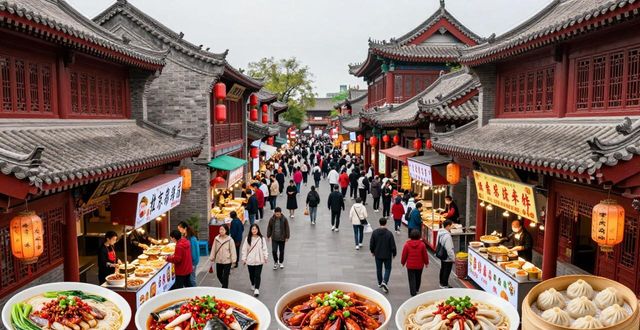
China’s food culture is a living encyclopedia of history, geography, and philosophy. For travelers on a China food culture tour, every meal tells a story—from the spicy hotpots of Sichuan to the delicate dim sum of Guangdong. This guide answers your most practical questions, helping you eat like a local and avoid common tourist traps.
What makes Chinese food so diverse

China’s vast landscape and climate create distinct cooking styles. In the humid north, wheat grows better than rice, so you’ll find noodles, dumplings, and steamed buns as staples. The south,with its abundant rainfall, produces rice and seafood. But diversity goes beyond ingredients. Each region also has unique spices and techniques. For example, Sichuan uses fiery chili and numbing Sichuan pepper, while Cantonese food relies on freshness and light steaming. This geographical variety means you can travel just a few hours and taste a completely different world of flavors.
How to find authentic local dishes
Skip the international food courts and follow the crowds. Look for small restaurants packed with Chinese office workers at lunchtime—they know where to get good value. Another trick is to check the menu’s language. If it’s only in Chinese characters with no pictures, you’ve likely found a genuine spot. Don’t be afraid to point at what others are eating. Street stalls are also goldmines, but watch for high turnover. A stall selling 500 skewers a day is safer than one with food sitting out for hours. Remember, authenticity often means eating where locals queue.
What are the must-try regional dishes
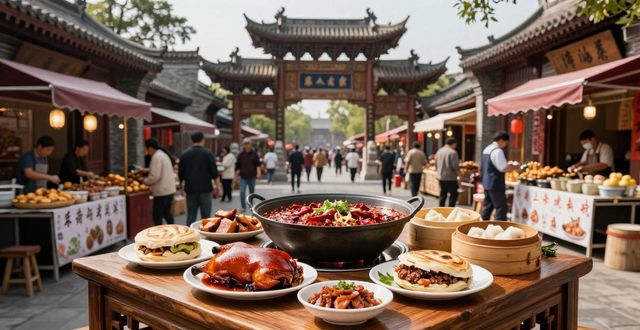
No China food culture tour is complete without these iconic dishes. In Beijing, Peking duck with its crispy skin and thin pancakes is a ritual. Head to Shanghai for xiaolongbao—soup-filled dumplings that burst in your mouth. In Xi’an, try yangrou paomo, a hearty lamb soup with crumbled flatbread. Chengdu and Chongqing offer hotpot and mapo tofu, but beware the numbing spice level. For dessert, Hong Kong’s egg waffles and Guangzhou’s double-layer milk pudding are sweet endings. Each dish connects to local festivals, farming cycles, or trade history, so ask your host for the backstory.
How to eat like a local without offending
Table manners in China differ from the West. Never stick chopsticks upright in a bowl of rice—it resembles incense sticks for the dead. It’s polite to serve others before yourself, especially elders. When someone pours you tea, tap two fingers on the table to say thanks. Slurping noodles or soup is not rude; it shows you enjoy the meal. Also, don’t finish every dish completely. Leaving a little food signals that the host offered more than enough. If you’re invited to a banquet, pace yourself because there will be many courses. Observe what others do, and you’ll fit right in.
Now it’s your turn: What Chinese dish are you most excited to try on your food culture tour, and why? Share your answer in the comments—and don’t forget to like and pass this guide to a fellow food lover