
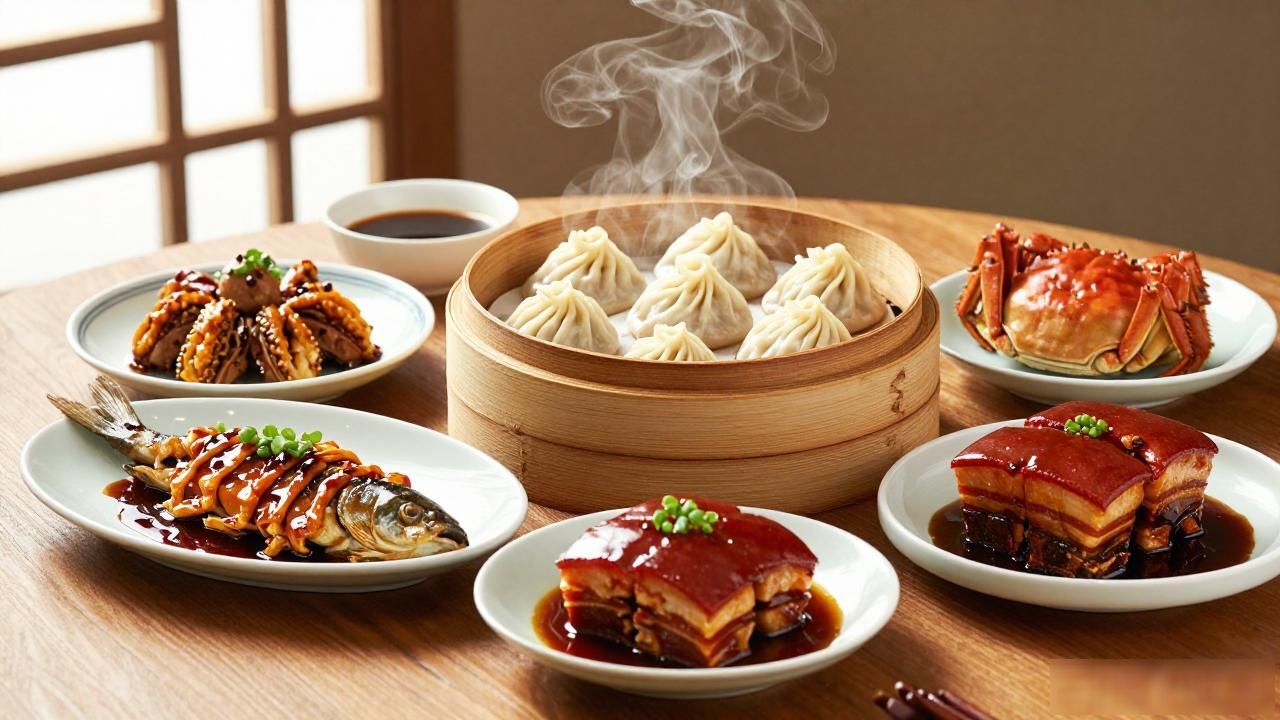
Chinese cuisine is far more than just dim sum and fried rice — it is a living, breathing reflection of thousands of years of history, geography, and philosophy. Every province tells a different story on the plate. From the fiery peppercorns of Sichuan to the delicate steamed dumplings of Shanghai, food in China is deeply intertwined with how people think, celebrate, and connect. A food-focused trip through China can transform the way you understand one of the world’s oldest civilizations. This guide walks you through what to expect and why it matters.
What makes Chinese food culture unique
Most foreigners imagine a single “Chinese cuisine.” That assumption falls apart the moment you step into a local restaurant in Guilin and taste the rice noodles, completely unlike anything you had in Beijing. China is vast. Different climates grow different crops. Different histories shaped different tastes. The result is eight major culinary traditions, each with its own identity.
What ties them together is not just flavor but the way people share meals. Food in China is communal by nature. Dishes arrive in the center of the table for everyone to reach into. Eating becomes an act of family, friendship, and social harmony. You cannot truly understand Chinese culture without sitting down at one of these shared tables and letting strangers become companions over steaming pots and clinking glasses.
The philosophy behind the food is equally rich. The concept of yin and yang shows up in how dishes are balanced — cooling foods versus warming foods, raw versus cooked, spicy versus mild. Many traditional meals are designed not just to delight the palate but to maintain the body’s inner harmony. Tasting menus at a good Cantonese restaurant can feel like reading a medical text written in broth and steam.
Where should travelers go for the best food experiences
Chengdu and Chongqing belong at the top of any itinerary if you want bold flavors. Sichuan peppercorns numb your lips while chili heat builds from the inside out. Street stalls sell skewers, cold noodle bowls, and spicy duck necks that will challenge your comfort zone in the best possible way. These cities treat eating as a daily ritual, not a casual activity.
Xi’an offers something entirely different but equally compelling. This ancient capital is the homeland of wheat-based dishes. Flatbreads,hand-pulled noodles, and cumin-spiced lamb skewers dominate the back streets. The Muslim Quarter transforms into a smoky, buzzing food market after sunset. Trying roujiamo there feels like stepping into a Tang Dynasty-era street scene that somehow never ended.

Shanghai and the broader Jiangnan region bring elegance to the table. Delicate soup dumplings, drunken crab, and sweet-savory braised dishes showcase a cooking style that values subtlety over intensity. Hangzhou’s West Lake vinegar fish and Dongpo pork tell stories of poets and officials. Every dish here carries literary weight.
How to plan a meaningful China food tour
Start by learning a few essential phrases. Ordering food becomes infinitely more rewarding when you can ask about ingredients and cooking methods in Mandarin. Even a simple 这个菜辣吗 Can this dish be made less spicy opens doors that English alone never will.
Reserve time for breakfast. Many foreigners skip it or grab something quick, but Chinese breakfast culture is enormous. Steaming baskets of soup dumplings in the morning fog, slurping hot soy milk and fried dough sticks on folding stools, watching elderly locals practice tai chi between bites — these moments matter more than any Michelin-starred dinner.
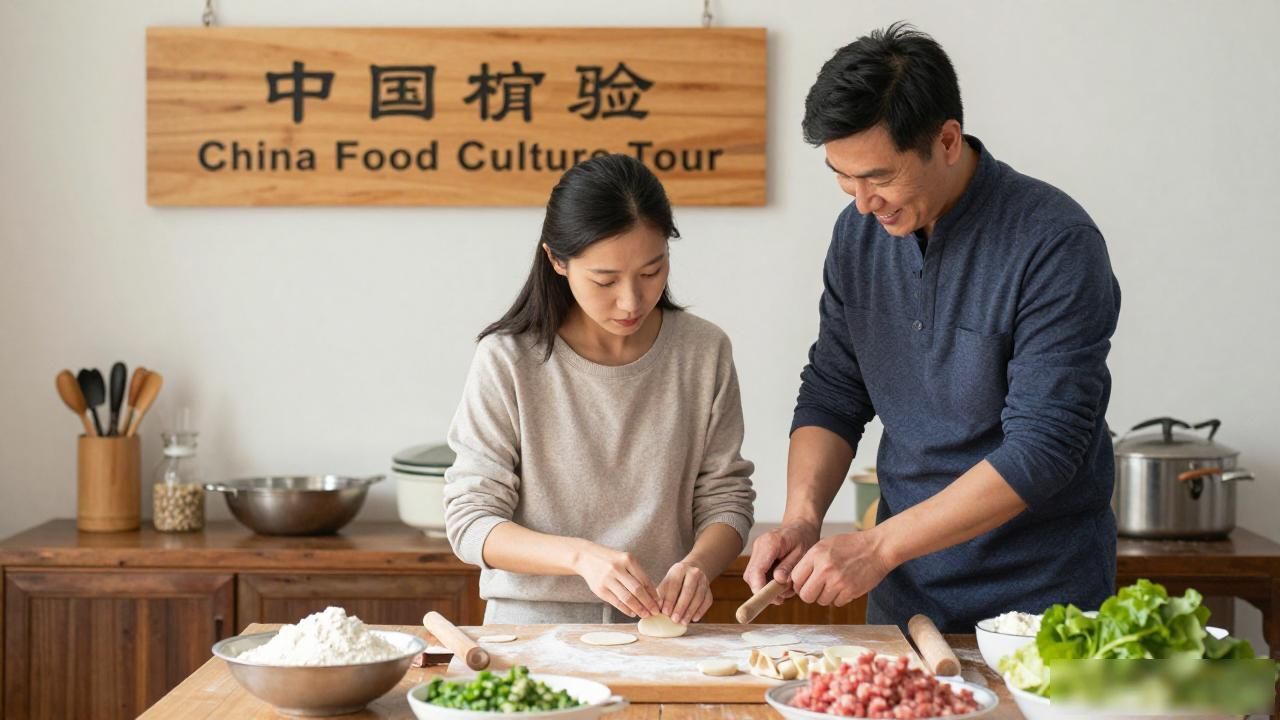
Join a local cooking class when possible. Learning to fold jiaozi or make hand-pulled noodles gives you hands-on insight into techniques passed down through generations. The kitchen becomes a classroom where history, language, and culture converge. A cooking class in China is rarely just about food — it is about connection.
Skip the tourist traps near major train stations. Walk three blocks deeper into residential neighborhoods. The restaurants locals queue for are always the right ones. Price drops, portions grow, and authenticity rises. A two-dollar bowl of beef noodle soup in a faded blue-shop eatery will teach you more about Chinese food culture than a hundred-dollar tasting menu in a hotel restaurant.
China’s food culture is endless. No single tour can cover it all, but even one focused trip will leave you seeing the country — and yourself — differently. The journey begins with a single bite.