
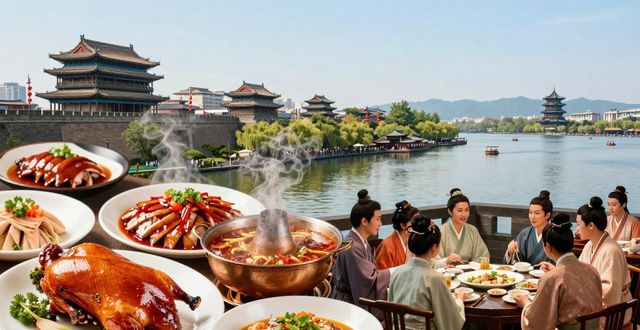
China’s food culture is one of the oldest and most diverse in the world, shaped by thousands of years of history, geography, and philosophy. For travelers,a food tour across China is not just about eating—it’s about understanding the heart of Chinese society. From the fiery spices of Sichuan to the delicate dim sum of Guangdong, every region tells its own story through flavor. In this guide, we’ll explore the must-try dishes, local dining habits, and the best cities to experience authentic Chinese food culture. Whether you’re a first-time visitor or a seasoned foodie, these insights will help you eat like a local and enjoy every bite.
What to eat on a China food tour
Peking duck is an absolute classic. The crispy skin, tender meat, and thin pancakes with hoisin sauce and scallions create a perfect bite. Head to Beijing’s original Quanjude or Dadong restaurants for the real experience. Another unmissable dish is Xiaolongbao, soup dumplings from Shanghai. These delicate parcels hold hot broth inside—bite gently, sip the soup, then enjoy the pork filling. For spice lovers, Sichuan hot pot is a must. You cook raw meats and vegetables in a bubbling, numbing chili broth right at your table. Don’t forget to dip everything in sesame oil and garlic to balance the heat.

Street food also plays a huge role in China’s food culture. In Xi’an, try yangrou paomo (lamb soup with crumbled flatbread). You tear the bread into tiny pieces, then the restaurant adds hot lamb broth and meat. In Tianjin, look for jianbing, a savory crepe filled with egg, cilantro, and crispy wonton. For breakfast, soy milk with youtiao (fried dough sticks) is a national favorite. Each region has its own hidden snacks, so always ask locals where they eat. The best food often comes from small, crowded stalls with long lines.
How to eat like a local in China
Eating like a local starts with understanding the meal structure. Chinese dinners are typically shared family-style. Several dishes—meat, vegetables, tofu, and soup—are placed in the center of a round table with a lazy Susan. You take a little from each plate using your own chopsticks or communal spoons. Rice or noodles come last, not as a side dish. Also, never stick your chopsticks upright into a bowl of rice; it resembles incense sticks at a funeral and is considered very bad luck. Instead, rest them on the chopstick holder or the edge of your bowl.
Another key habit is drinking hot water or tea with meals. Unlike Western culture, cold drinks are rare during meals because Chinese believe warm liquids aid digestion. At a hot pot restaurant, you’ll often be served hot tea or water by default. When toasting with baijiu (Chinese liquor), hold your glass lower than elders or senior hosts to show respect. And don’t be shy about slurping your noodles—it’s a compliment to the chef. Finally, finishing every grain of rice in your bowl shows appreciation for the farmer’s work. These small gestures will make locals welcome you like family.
Best cities for a China food culture tour
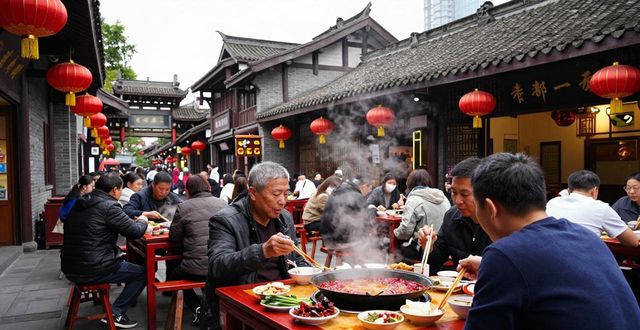
Chengdu, the capital of Sichuan province, is a paradise for bold flavors. The city’s air smells of chili and Sichuan pepper. Besides hot pot, try mapo tofu (soft tofu in spicy bean sauce) and dan dan noodles (peppery minced pork over chewy noodles). For a true local experience, visit the Jinli Ancient Street after dark—it turns into a night market with grilled skewers, sticky rice cakes, and rabbit heads (a local delicacy). Chengdu also has the only museum dedicated to Chinese food culture, where you can learn about the history of Sichuan cuisine and even take a cooking class.
Guangzhou (Canton) is the birthplace of dim sum. From morning until early afternoon, teahouses fill with families pushing carts of shrimp dumplings, BBQ pork buns, rice rolls, and chicken feet. Go to a traditional house like Dian Du De or Guangzhou Restaurant. For something more adventurous, head to the Chaoshan region near Guangzhou for beef hot pot where every slice of beef is cut to a specific thickness for perfect texture. Meanwhile, Xi’an offers Muslim-influenced food from the Silk Road. The Muslim Quarter’s street stalls serve lamb skewers, persimmon cakes, and biangbiang noodles—thick, hand-pulled noodles with spicy oil and vinegar.
Table manners you need to know in China
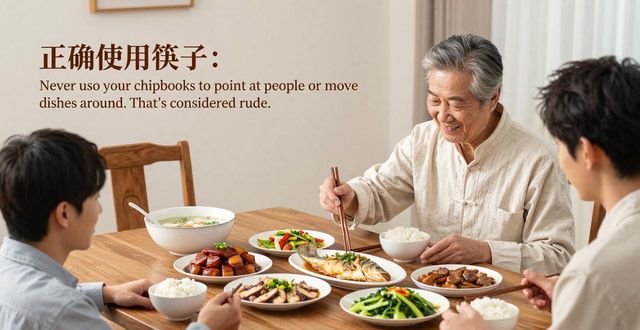
Never use your chopsticks to point at people or move dishes around. That’s considered rude. Also, do not tap your bowl with chopsticks—beggars do that to ask for food. When you want more rice, place your bowl upside down or simply ask. At formal banquets, wait for the host to start eating before you begin. The eldest or most honored guest usually sits facing the door. When serving others, use the serving spoons provided, not your personal chopsticks. If you’re unsure, watch what locals do and follow their lead.
Another important rule is not to flip fish. In many parts of China, the fish is served whole, and you should eat one side, then carefully lift the bones to reach the other side. Flipping the fish over symbolizes a boat capsizing, which brings bad luck for fishermen. Also, avoid taking the last piece from a shared plate unless you offer it to others first. And remember to say “xie xie” (thank you) when someone pours you tea. Tapping two fingers on the table is a silent thank-you gesture in tea ceremonies. These manners show respect and will earn you smiles wherever you go.
Have you ever tried any of these Chinese dishes, or do you have a favorite food memory from your own travels? Share your story in the comments below, and don’t forget to like and share this guide with fellow food lovers planning their own China food culture tour!