
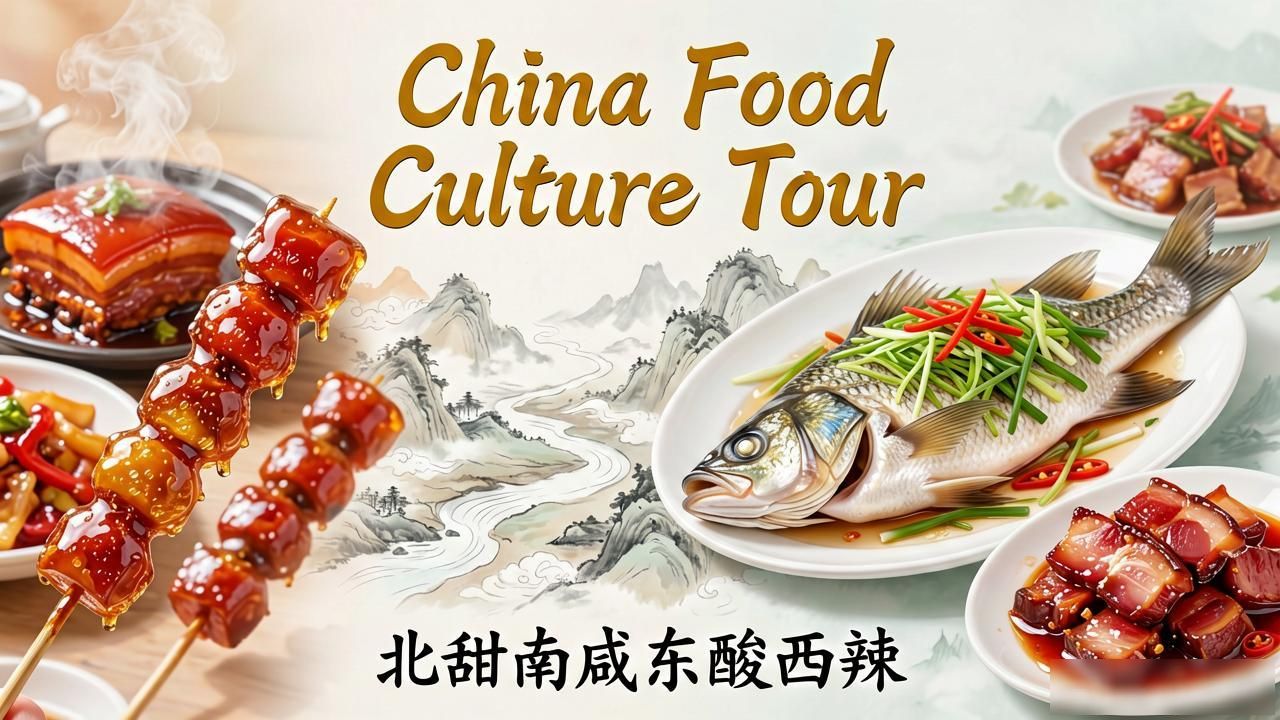
Exploring China’s culinary landscape requires more than just tasting dishes; it demands an understanding of the deep historical roots and regional diversity that define every plate. For travelers, a journey through Chinese food culture is a sensory immersion into centuries of tradition, philosophy, and local identity. This guide aims to help foreigners navigate this complex yet rewarding gastronomic adventure, focusing on authentic experiences rather than tourist traps.
What makes Chinese regional cuisine unique?

China is vast, and its food culture is not monolithic. It is divided into distinct regions, each with its own climate, ingredients, and cooking techniques. The concept of “North Sweet, South Salty, East Sour, West Spicy” is a simplification, but it hints at the geographical influence on flavor profiles. In Sichuan and Hunan, the use of chili peppers and Sichuan peppercorns creates a numbing spice known as “ma la,” which has become globally famous. However, this is just one facet. Cantonese cuisine, from the south, emphasizes freshness and natural flavors, often steaming seafood to preserve its delicate texture. Understanding these differences allows travelers to appreciate why a dish tastes different in Beijing compared to Guangzhou.
Travelers should avoid the stereotype that all Chinese food is heavy on oil and salt. Many traditional dishes rely on precise knife skills and fermentation processes that enhance umami without excessive seasoning. For instance, Peking Duck is not just about the crispy skin but also the ritual of wrapping the meat in thin pancakes with scallions and sweet bean sauce. This balance of textures and flavors reflects the Chinese philosophical ideal of harmony. Engaging with local chefs or joining small-group cooking classes can provide deeper insights into these techniques,transforming a simple meal into a cultural lesson.
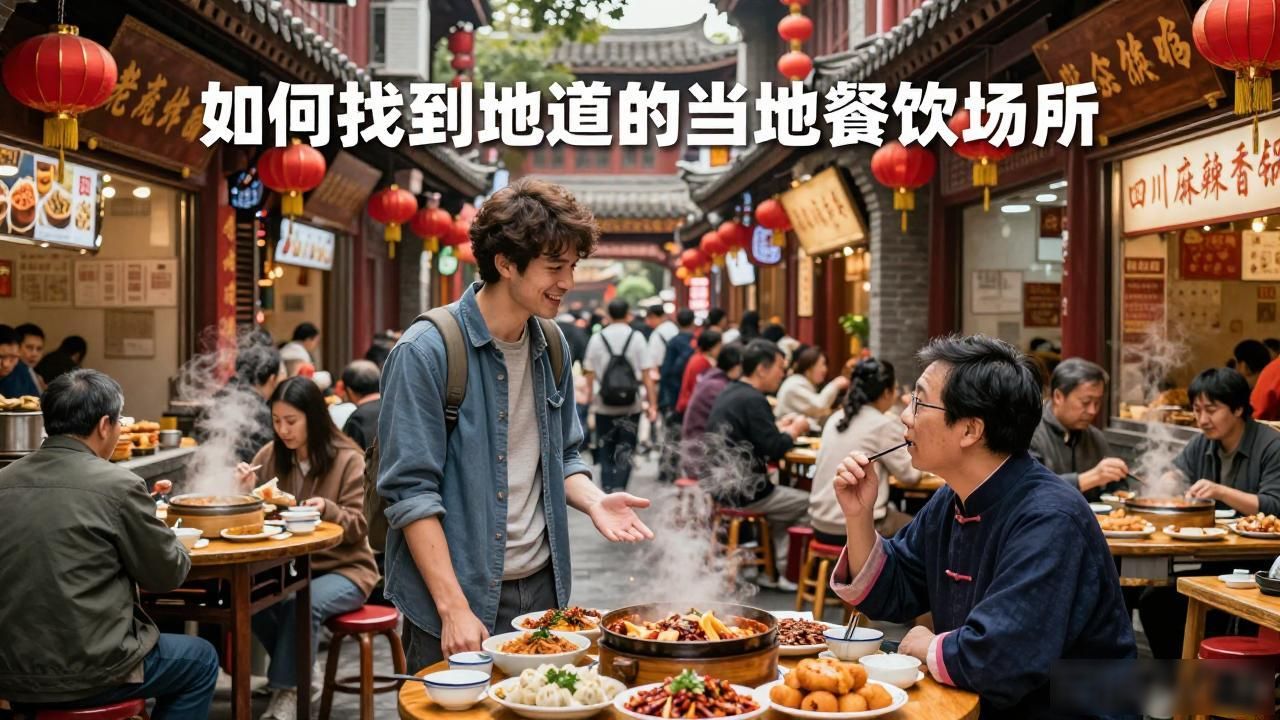
How to find authentic local dining spots?
Finding genuine local eateries often means stepping away from the main tourist streets. Look for places where locals queue up during lunch and dinner hours. These establishments might lack fancy decor, but they offer the most honest representation of regional tastes. Street food markets are particularly valuable for experiencing casual, everyday cuisine. From Jianbing (savory crepes) in the north to Stinky Tofu in the south, these snacks are quick, affordable, and deeply embedded in daily life. Sampling these foods provides a direct connection to the rhythm of local communities.
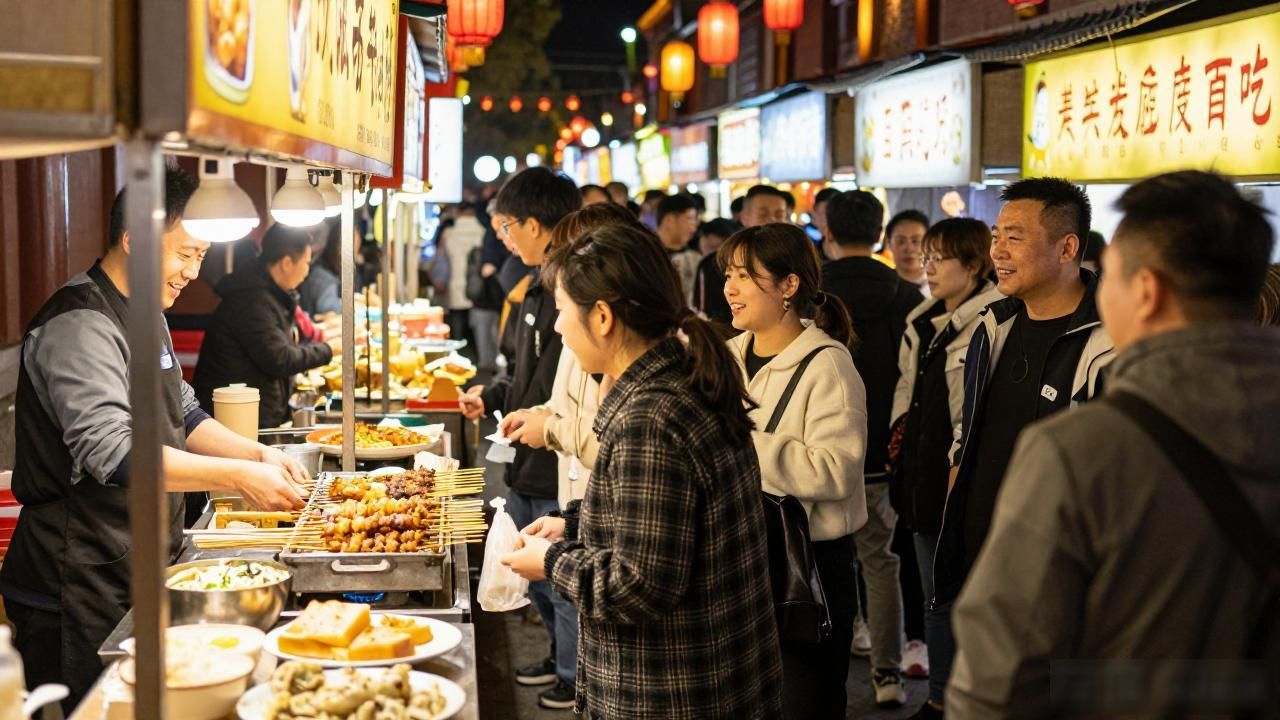
Another key strategy is to explore night markets, which serve as social hubs after dark. Here, visitors can sample a wide variety of skewers, dumplings, and desserts while interacting with vendors. Many vendors are happy to explain their dishes, offering stories that add context to the flavors. Additionally, considering a guided food tour led by a local expert can unlock hidden gems that would otherwise remain undiscovered. These guides often share personal anecdotes and historical facts, enriching the dining experience beyond mere consumption. By prioritizing authenticity over convenience, travelers can create lasting memories tied to the true spirit of Chinese hospitality and culinary artistry.